
Last updated November 16, 2026
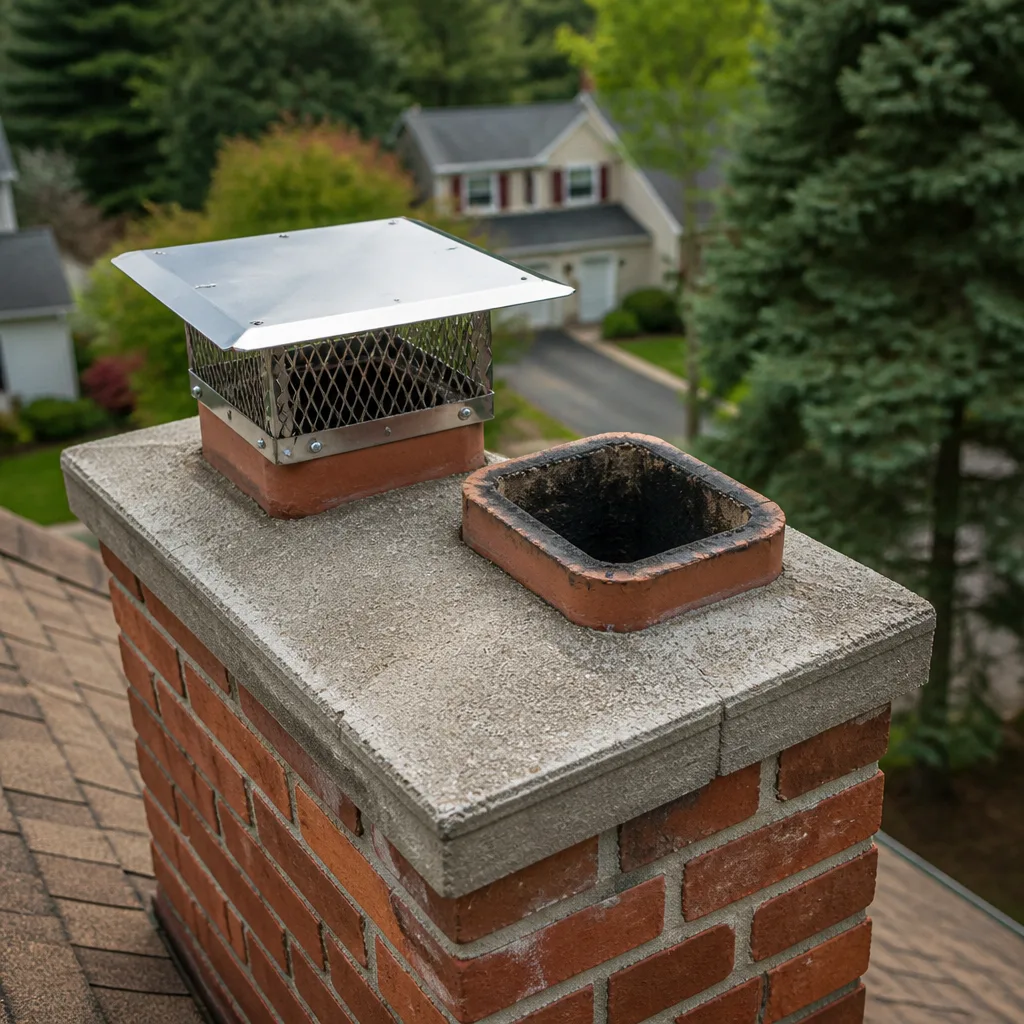 Sweep & inspection
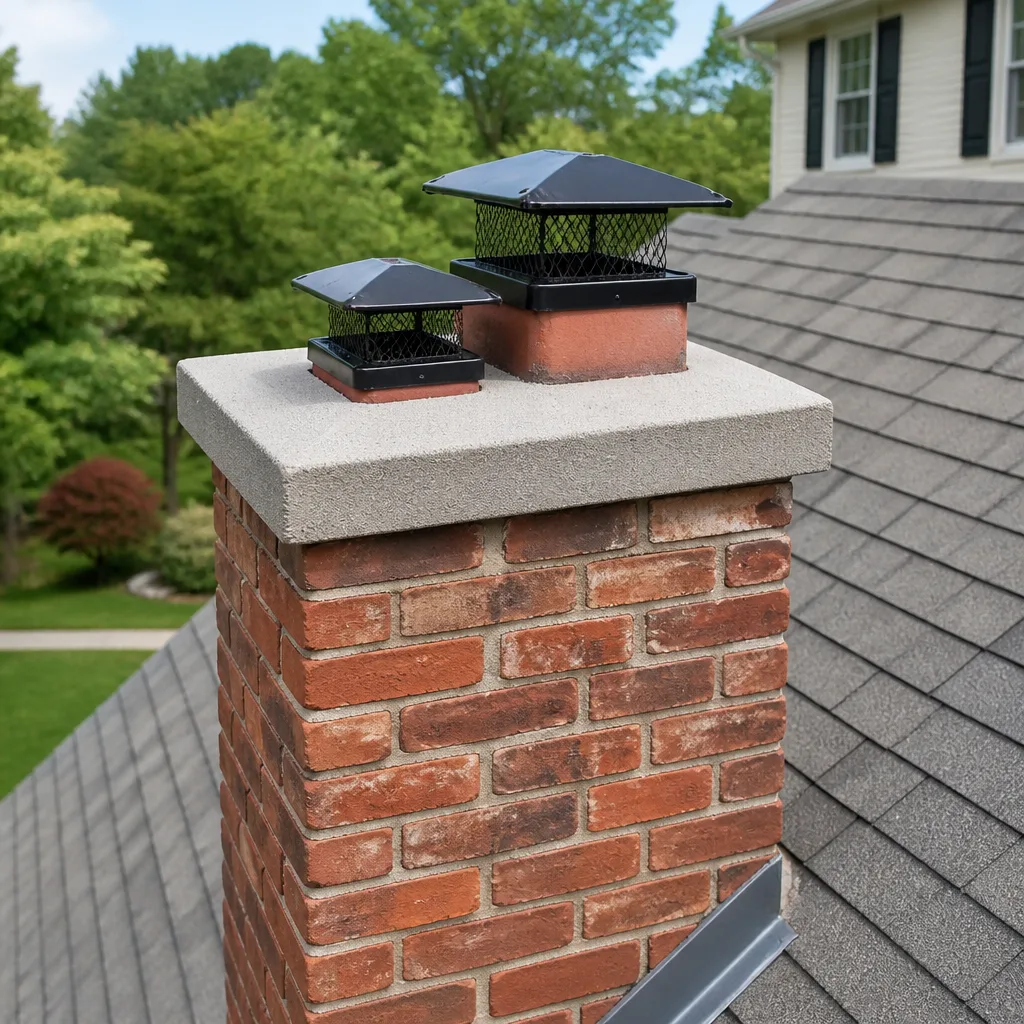 Caps & crowns
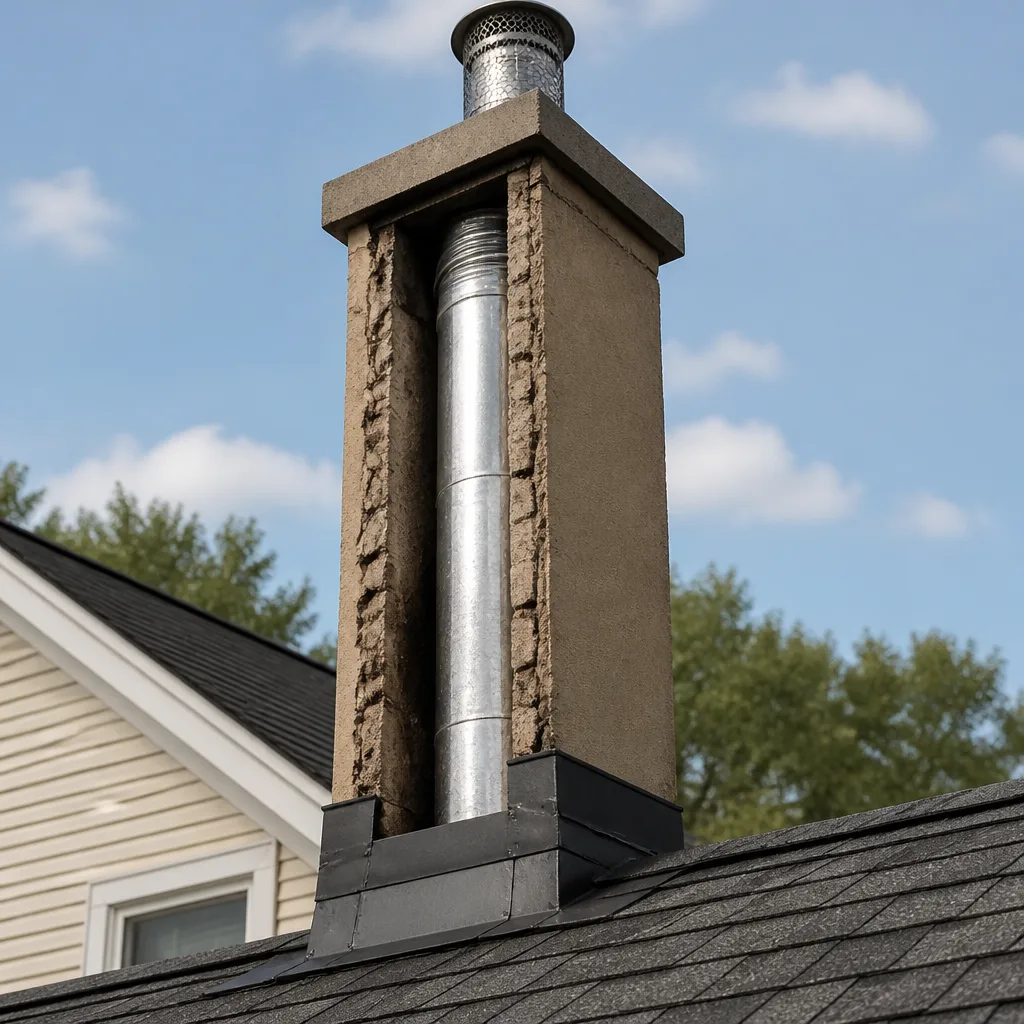 Flue relining
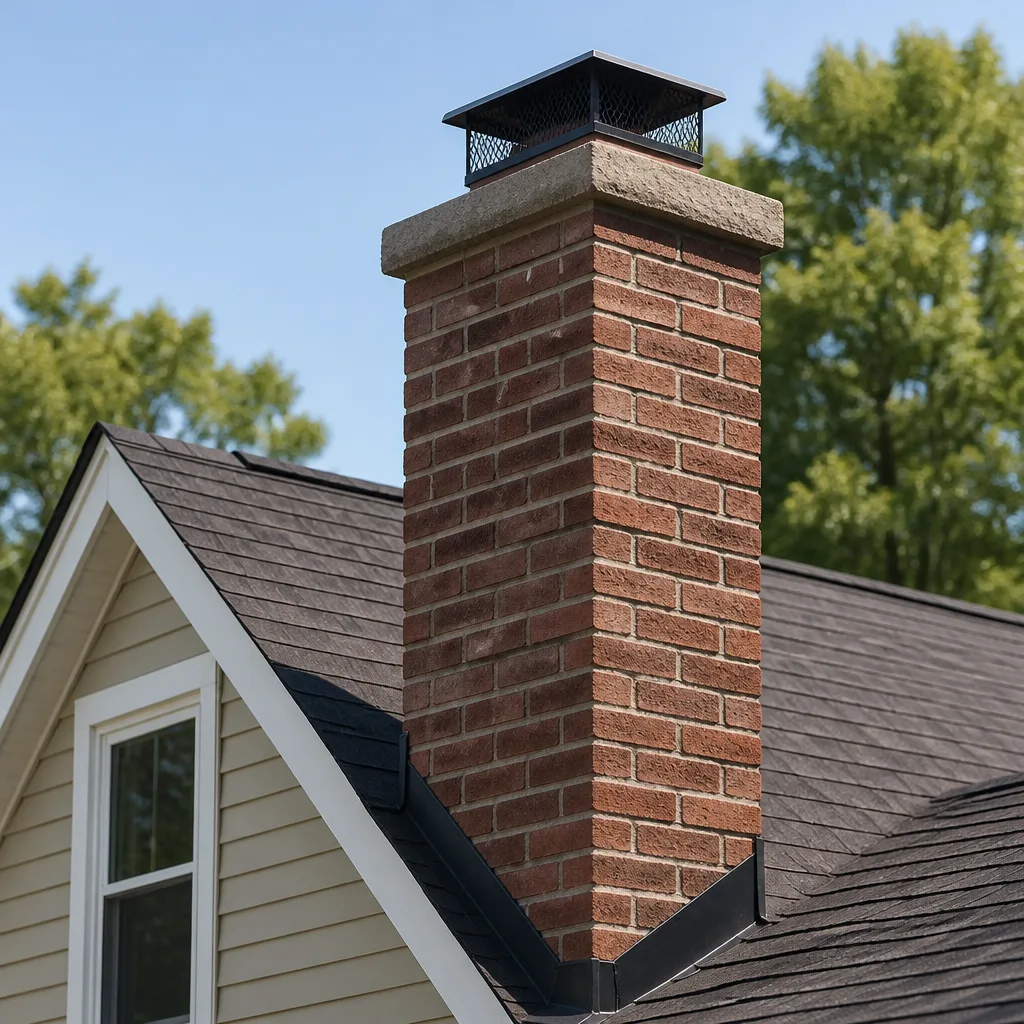 Masonry repair
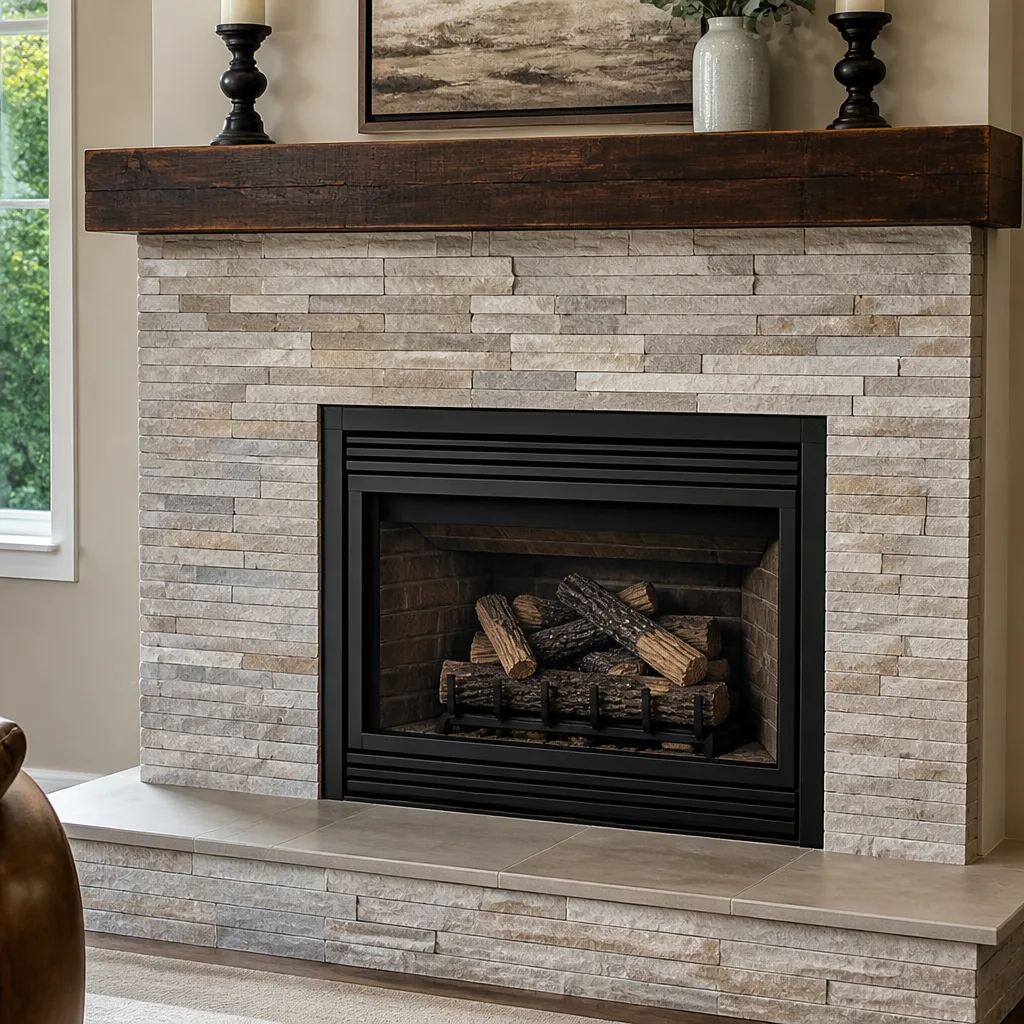 Gas fireplace service
Level 1 sweep and inspection to the NFPA 211 annual standard - flue, crown, cap, and flashing checked and photographed
Chimney sweep logs do not sweep chimneys. They loosen some creosote - which then falls where a brush and vacuum still have to collect it.
The Complete Guide to Chimney Cleaning in Stockton
Most chimney fires don’t start because a homeowner skipped cleaning. They start because the homeowner cleaned on the wrong schedule for how they actually burn wood through a Central Valley winter. A fireplace that sees a few almond logs on cool December evenings builds creosote at a different rate than one burning valley oak every night from November to February, and the difference matters more than most national checklists admit. Stockton sits in a basin where tule fog rolls in and lingers, where the firewood is often orchard wood rather than the pine-heavy fuel most sweeping guides assume, and where a “once a year, any time” rule of thumb quietly leaves deposits to stack up. This guide walks through what chimney cleaning in Stockton actually involves, how to read an inspection report, when repair beats cleaning, and how to tell a real recommendation from padding.
Quick Answer
Chimney cleaning in Stockton means removing soot and creosote from the flue, firebox, and smoke chamber, then inspecting the liner, joints, and cap for the conditions that make a chimney unsafe to use. For most Stockton households that burn wood through the cooler months, an annual sweep and inspection booked before the burning season starts is the standard. How often you actually need it depends on how much you burn, what wood you burn, and how the fog season affects moisture in the flue.
Styles & brands we work with
- Sweep & inspection
- Caps & crowns
- Flue relining
- Masonry repair
- Gas fireplace service
Table of Contents
- Why Stockton’s Climate Changes the Cleaning Schedule
- How Stockton Firewood Affects Creosote
- Level 1, 2, and 3 Inspections: Which One Do You Need?
- What a Chimney-Only Specialist Checks That a Handyman Skips
- How to Read a Sweep Report
- Cleaning vs. Repair: When the Flue Needs More Than a Brush
- What Chimney Cleaning Costs in Stockton
- DIY vs. Professional Cleaning
Why Stockton’s Climate Changes the Cleaning Schedule
Stockton’s winters are mild by most standards, but mild doesn’t mean dry. The tule fog that settles into the valley through the late fall and winter is dense, cold, and wet, and it pushes moisture into every crevice it can reach, including the inside of a chimney. A flue that was warm and dry in October can pick up dampness on its inner surfaces during a foggy stretch in January, especially if the chimney isn’t drawing well or the cap is undersized or missing.
Moisture and creosote don’t mix well. Creosote forms when wood smoke cools before it leaves the flue, and it deposits on the liner walls as a tar-like film, a flaky crust, or a hard glaze depending on how hot the fire was and how quickly the smoke cooled. Add fog-season humidity to a flue that’s already glazing up, and the deposit sets harder and faster than it would in a drier inland climate. That’s why a Stockton chimney that gets swept every autumn can still show significant buildup by February if the homeowner burns steadily and the cap isn’t sealing properly.
The practical takeaway is that a “clean it once, forget it” schedule doesn’t match how chimneys actually behave here. Three things in Stockton push the buildup faster than national guides assume:
- Fog-season humidity adds moisture to the flue between fires, which helps creosote adhere and set.
- Temperature swings between cool mornings and warm afternoons mean fires are often burned hot and fast, then left to smolder, which is a creosote-producing pattern.
- Orchard and hardwood fuel (more on this below) burns differently from the pine-heavy firewood most national chimney guides use as their baseline.
None of this means you need to sweep monthly. It means the annual schedule is a starting point, and a midseason look at the flue is worth it in a year when you’ve burned more than usual. If you notice odor, a lazy draft, or dark staining around the firebox, that’s a signal to have the flue checked rather than to wait for the calendar to catch up. The professionals who handle chimney sweep work in this region see this pattern year after year.
How Stockton Firewood Affects Creosote
The wood you burn shapes the creosote in your flue as much as the wood stove or fireplace does. Stockton homeowners have access to firewood that national guides rarely mention: almond wood from the orchards that surround the city, and valley oak from the older neighborhoods and rural edges. Both burn differently from pine, and both produce creosote profiles that a sweep needs to understand to clean effectively.
Almond wood
Almond is a dense, hot-burning hardwood, and it’s a common choice in Stockton because it’s locally available and throws good heat. A hot fire leaves less unburned smoke, which sounds like less creosote, and in a well-drafted flue that’s true. The catch is that almond burns hot enough to damage an older or cracked liner if the fire is pushed too hard, and the fast, hot burn followed by a smoldering overnight log can still leave a glaze on the flue walls. Almond also tends to produce fine ash that settles deep in the smoke chamber and shelf, an area a quick brush-and-go sweep often misses.
Valley oak
Valley oak is the classic Stockton firewood: dense, long-burning, and good for overnight fires. It also produces more creosote than almond when it’s burned cool or green. Oak that hasn’t been seasoned properly (split and dried for a full season, not just felled and stacked) releases moisture into the smoke, and wet smoke is the single biggest driver of creosote in any flue. Oak burned cool leaves a sticky, tar-like deposit that hardens into a glaze that a standard brush won’t remove.
What this means for your cleaning
If you burn mostly almond and run hot fires, your flue may clean up with a routine sweep and a careful look at the smoke chamber. If you burn oak, especially oak that’s on the green side, expect heavier buildup and a sweep that includes a proper glazed-creosote removal method, not just a pass with a brush. When we inspect a Stockton chimney, the first questions are what you burn and how you burn it, because those answers decide how the flue gets cleaned.
Level 1, 2, and 3 Inspections: Which One Do You Need?
Not every inspection is the same, and knowing which level you actually need keeps you from paying for more than your situation calls for, or from missing something the basic exam wouldn’t catch. Here’s how the three levels break down:
- Level 1 inspection. A visual check of the accessible parts of the chimney: the firebox, damper, smoke chamber, flue from the top and bottom where reachable, and the cap. This is the right level when your setup hasn’t changed and you’re just keeping up with annual maintenance. If you’ve been burning the same wood in the same fireplace and haven’t noticed any problems, a Level 1 alongside your annual sweep is usually enough.
- Level 2 inspection. Everything in a Level 1, plus a closer look at accessible portions of the attic, crawlspace, and any parts of the chimney structure you can reach without cutting into walls. A video camera is often used to see the inside of the flue. This is the level you want after a chimney fire, after any change to the appliance or fuel type, when you’ve just moved into a Stockton home and don’t know its history, or when you’re seeing a problem you can’t explain. It’s also the right call before any repair or relining work.
- Level 3 inspection. The most involved, and typically only done when a Level 1 or 2 turns up something that requires opening up walls or other parts of the structure to assess. This is not routine, and no one should sell it as one.
For a typical Stockton wood-burning season, the practical answer is this: a Level 1 with your annual sweep, and a Level 2 whenever anything has changed, anything looks wrong, or you’ve just bought the house. A general handyman sweep often only does a Level 1 look at best and skips the video camera entirely, which is exactly the situation where a flue problem hides until it becomes a repair.
In our experience, most Stockton homeowners are best served by a Level 1 during a routine annual cleaning and a Level 2 the moment a concern comes up. The inspection isn’t the upsell; it’s the part of the job that tells you what the flue actually needs. If you want a sense of what repair options look like when an inspection turns up a problem, our chimney repair page covers the common cases.
What a Chimney-Only Specialist Checks That a Handyman Skips
A general handyman can run a brush up a flue. What a chimney-only specialist does differently is check the parts of the system that a quick cleaning tends to leave behind, and those are the parts where problems usually start. The work is concentrated in one trade rather than spread across remodeling, HVAC, and whatever else a generalist handles, and that focus changes what gets looked at.
Here’s what a proper Stockton sweep and inspection should cover beyond the brush going up and down:
- The smoke chamber. The sloped area above the damper and below the flue is where smoke slows down and deposits settle. It’s also where corrosion and cracking are easy to miss. A brush-and-go sweep often leaves the smoke chamber untouched, and that’s where a lot of odor and draft problems start.
- The liner itself. Clay tile liners crack, and factory-built metal liners can separate at joints or corrode. The liner is what keeps heat and combustion gases inside the chimney and away from the framing. Checking it properly needs a camera and a technician who knows what a failing liner looks like.
- Firebox joint integrity. The mortar joints in the firebox take the direct heat of the fire. Cracked or recessed joints let heat and gases get behind the brick, which is a fire risk that a cosmetic sweep won’t catch.
- The cap and crown. A missing, undersized, or poorly sealed cap lets water in and animals in, and both cause damage that’s far more expensive than the cap. The crown (the sloped top of the chimney) cracks with age and weather, and a cracked crown channels water straight into the masonry.
- The damper. A damper that doesn’t seat properly wastes heat, affects draft, and lets conditioned air escape up the chimney all year.
When we find a liner problem, we work with professional-grade systems to solve it. DuraFlex flexible liners are the industry standard for relining older or irregular flues without tearing into the masonry, and HeatShield ceramic restoration can resurface a damaged flue in cases where full replacement isn’t necessary. Famco venting components and Gelco caps round out the parts that keep the system sealed. The goal is to fix the actual problem once, with materials that hold up, rather than patching the symptom and coming back next season.
How to Read a Sweep Report
A sweep report is only useful if you can tell the difference between a genuine finding and a recommendation that’s there to pad the invoice. Most reports are written clearly, but a few don’t distinguish between “this needs attention now” and “this is worth watching.” Here’s how to sort a report into three buckets:
- Urgent. This is anything that makes the chimney unsafe to use right now. A cracked or separated liner, a damaged firebox with compromised joints, heavy glazed creosote (the kind that’s hardened into a glaze that won’t brush off), a blocked or restricted flue, or a broken damper that won’t open. If the report flags one of these and recommends you stop using the fireplace until it’s addressed, take it seriously. These are the findings that lead to chimney fires and carbon monoxide problems.
- Preventive. This is work that’s not urgent but will become urgent if you leave it. A worn cap, a hairline crack in the crown, minor spalling on the masonry, or a liner with early signs of wear. Preventive recommendations should come with a clear reason and a timeframe. If the report says “the crown is cracked and water is getting in” and shows you a photo, that’s a preventive finding worth doing before the next wet season.
- Upsell padding. This is the gray area. It looks like a recommendation that doesn’t match anything you can see or verify, a repair suggested without a photo or camera evidence, or a “while we’re here” add-on that wasn’t discussed before the sweep. A good report shows you the evidence. If you can’t see why the work is needed, ask.
The simplest test is this: any recommendation should come with camera footage or a photo you can look at yourself. If a sweep tells you the liner is failing but can’t show you, get a second opinion before you spend the money. A chimney-only specialist should be able to point to the specific spot on the screen, not just describe it. “Inspect first, recommend honestly” is the order we work in, and the report should reflect that.
When the liner is the issue, the fix usually runs one of two ways. A DuraFlex flexible liner relines the flue cleanly and is the standard approach for older or irregular chimneys. In cases where the flue is still structurally sound, HeatShield ceramic restoration can resurface the damaged section without a full replacement. Knowing which one fits your situation is exactly what an inspection is for.
Cleaning vs. Repair: When the Flue Needs More Than a Brush
Cleaning removes what’s built up. Repair fixes what’s broken. Most Stockton chimneys need the first and not the second, but a sweep that turns up a genuine problem should be able to move into the repair side of the work without handing you off to a separate contractor for every phase. That’s the advantage of a chimney-only specialist: the same company that sweeps and inspects can also reline, restore, and re-cap, so nothing gets lost in the gap between trades.
Here’s how to think about the three main repair paths you’re likely to encounter:
- Relining with DuraFlex. When the existing flue liner is cracked, deteriorated, or undersized for the appliance, a flexible stainless liner is installed inside the existing chimney. It’s the standard solution for a flue that’s structurally sound on the outside but compromised on the inside, and it doesn’t require tearing out masonry.
- HeatShield ceramic restoration. When the flue has cracks or gaps but the overall structure is sound, HeatShield resurfacing can restore the inside of the flue. It’s a code-compliant repair method, and it’s the option many general contractors don’t carry or know how to apply. When it fits, it saves the cost of a full reline.
- Caps and venting. Gelco caps and Famco venting components handle the top end of the system. A properly sized and sealed cap keeps water out, keeps animals out, and helps the flue draw correctly. It’s a small piece of the chimney that prevents a lot of expensive damage.
The key is that the diagnosis comes first. A sweep report that says “your liner is shot” without showing you the footage is a report to question. A report that shows the crack, the location, and the options (reline, restore, or monitor) is one you can act on with confidence. If you’re not sure whether a problem can safely wait, ask directly. There are times when the honest answer is “this can wait until next season,” and you should hear that from the same people who could sell you the repair.
What Chimney Cleaning Costs in Stockton
A standard chimney sweep in Stockton typically runs in a modest three-figure range, with the final number depending on the flue condition, how much creosote has built up, and whether the job includes a camera inspection or repair recommendations. Instead of quoting you a number here, the honest approach is to get a written estimate, because the same sweep costs different amounts on a clean flue and a heavily glazed one.
What drives the price up or down:
- Access and roof type. A flue that’s easy to reach from the roof costs less to service than one that requires extra setup.
- Creosote level. A light flaky deposit sweeps out with a standard brush. Glazed creosote (the hard, shiny kind) takes more time and specific removal methods, so it costs more.
- Inspection level. A Level 1 check as part of the sweep is one thing; a Level 2 with a video camera is more involved. You should know which one you’re getting before the work starts.
- Repairs separate from cleaning. Relining, restoration, and cap work are priced as repairs, not as part of the cleaning. A good estimate separates the two clearly so you can decide what to do now and what can wait.
What you should not do is accept a sweep price that hides a “diagnostic” or “inspection” fee that only appears at the end. The estimate is free, and the written estimate sets the final price. Ask for the written estimate up front, ask what’s included, and ask whether the price changes if the flue turns out to be heavily glazed. A real estimate accounts for that. If you want to understand the range of repair costs beyond the cleaning, the chimney repair side of the work is where to look.
DIY vs. Professional Cleaning
The decision isn’t really about whether you can push a brush up a flue. It’s about whether you can see what the brush is cleaning, and what it’s leaving behind. Here’s the practical split:
What a homeowner can reasonably check between professional sweeps:
- Look at the firebox for obvious cracks or crumbling mortar joints.
- Open the damper and confirm it moves freely and seats correctly.
- Check the cap from the ground with binoculars for visible damage or nesting.
- Notice odor, smoke backing into the room, or a draft that’s weaker than it used to be.
What should be left to a professional:
- Climbing onto a roof and removing a cap, especially on a pitched or older roof. Falls are a real hazard, and chimney work involves heights that don’t forgive a slip.
- Cleaning the flue itself, particularly when there’s glazed creosote. Glazed deposits require specific removal methods, and a standard brush can compact them rather than clear them.
- Inspecting the liner. You can’t see the inside of a flue from the firebox, and a hairline crack in a clay tile liner is invisible without a camera.
- Anything involving the structure of the chimney or the firebox joints. These are the parts where a mistake becomes a fire risk, not a cosmetic problem.
There’s also a simple safety reality: chimney work involves heights, soot, and combustion byproducts, and the parts of the job that go wrong are the parts you can’t see. A trained professional with the right equipment gets the flue clean and tells you what’s actually going on inside it. If you want to know what a focused specialist does on a Stockton job, the Stockton Chimney Sweep page is the place to start.
Common Mistakes to Avoid
- Sweeping on a fixed calendar date instead of by burn pattern. A homeowner who burns oak every night needs a different schedule than one who lights a few almond fires on cool evenings. Cleaning on the same day every year without looking at the flue is how buildup gets missed.
- Burning unseasoned oak. Wet wood is the fastest route to creosote. Oak needs a full season split and stacked before it’s ready, and Stockton’s foggy winters make covered storage more important than most people realize.
- Ignoring the smoke chamber. A brush up the flue doesn’t clean the sloped area above the damper, and that’s where a lot of odor, draft trouble, and hidden damage starts. Ask whether the smoke chamber is part of the sweep.
- Skipping the cap. A missing or undersized cap lets water and animals in and lets the flue cool too fast, which speeds up creosote. A properly sized Gelco cap is one of the least expensive protections on the whole system.
- Trusting a report with no photos. A recommendation without camera or photo evidence is one you can’t verify. Ask to see the footage before you agree to any repair.
- Assuming a general handyman sweep covers the same ground. A generalist can run a brush, but the liner inspection, smoke chamber, and firebox joint check are often skipped. Chimney-only work concentrates the expertise where it matters.
- Putting off a Level 2 inspection after buying a Stockton home. You don’t know the flue’s history, and a Level 1 look won’t catch a cracked liner. A camera inspection before the first burning season is worth it.
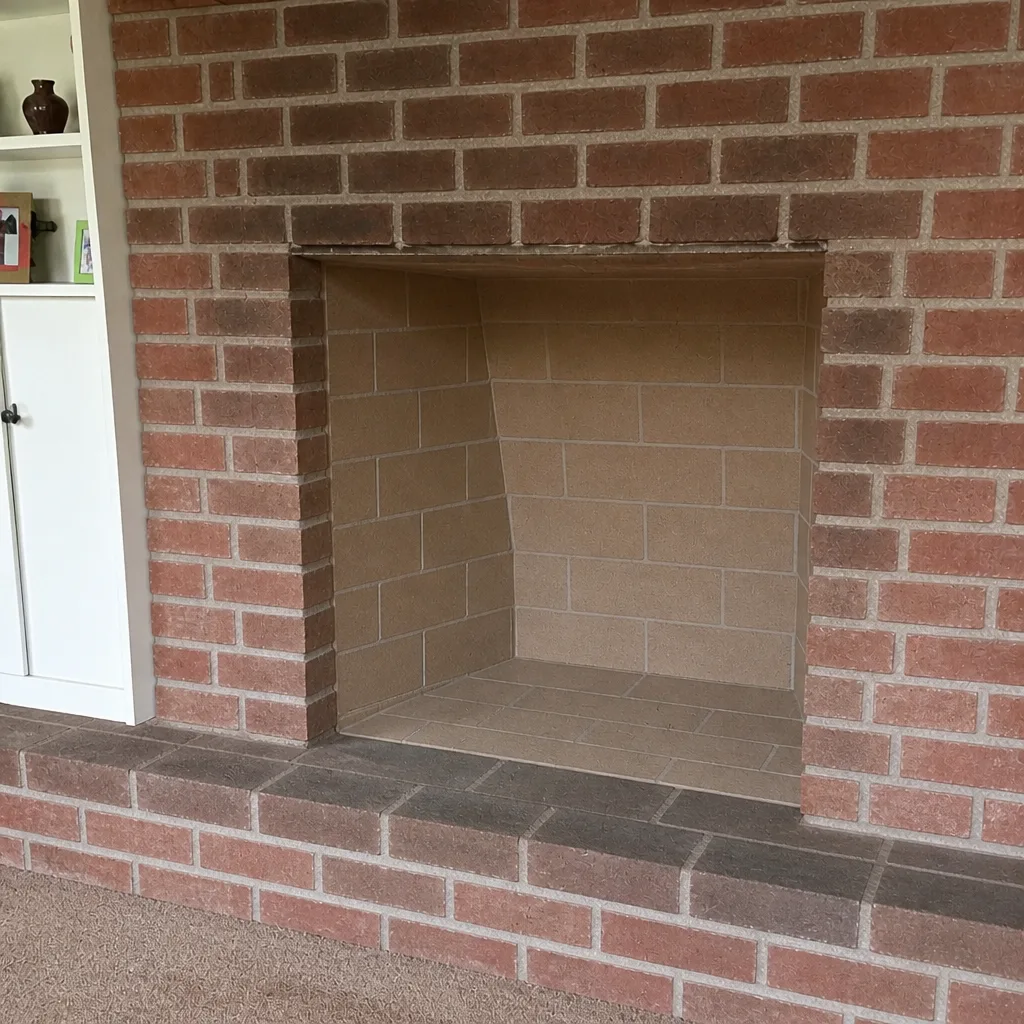
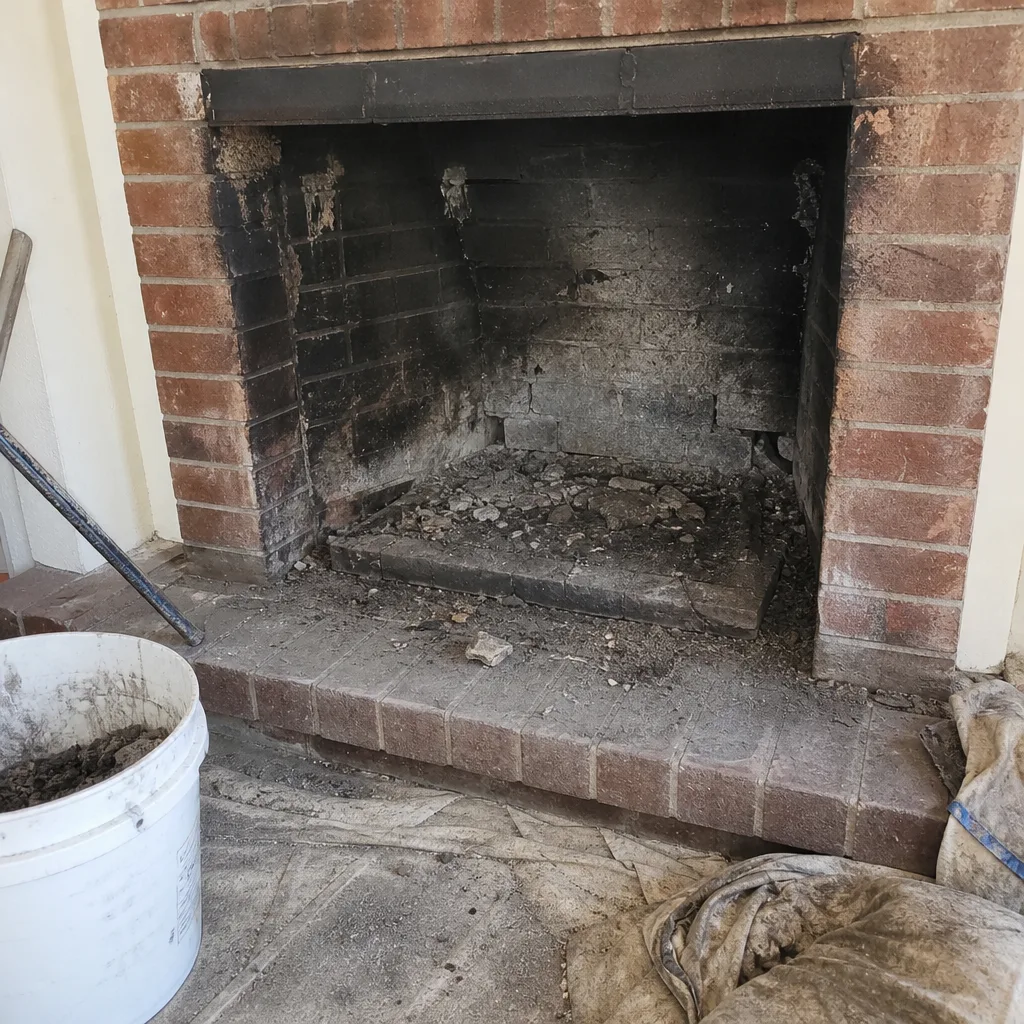
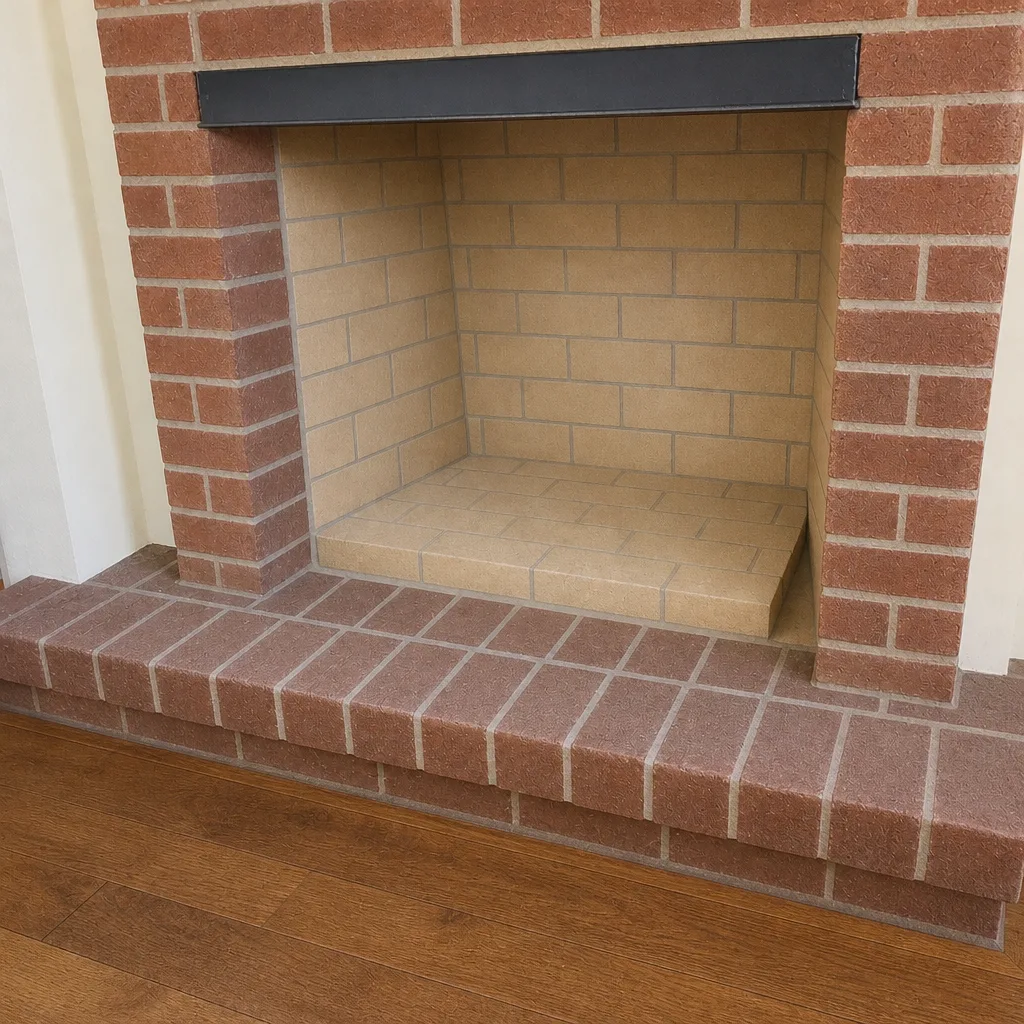
See the difference
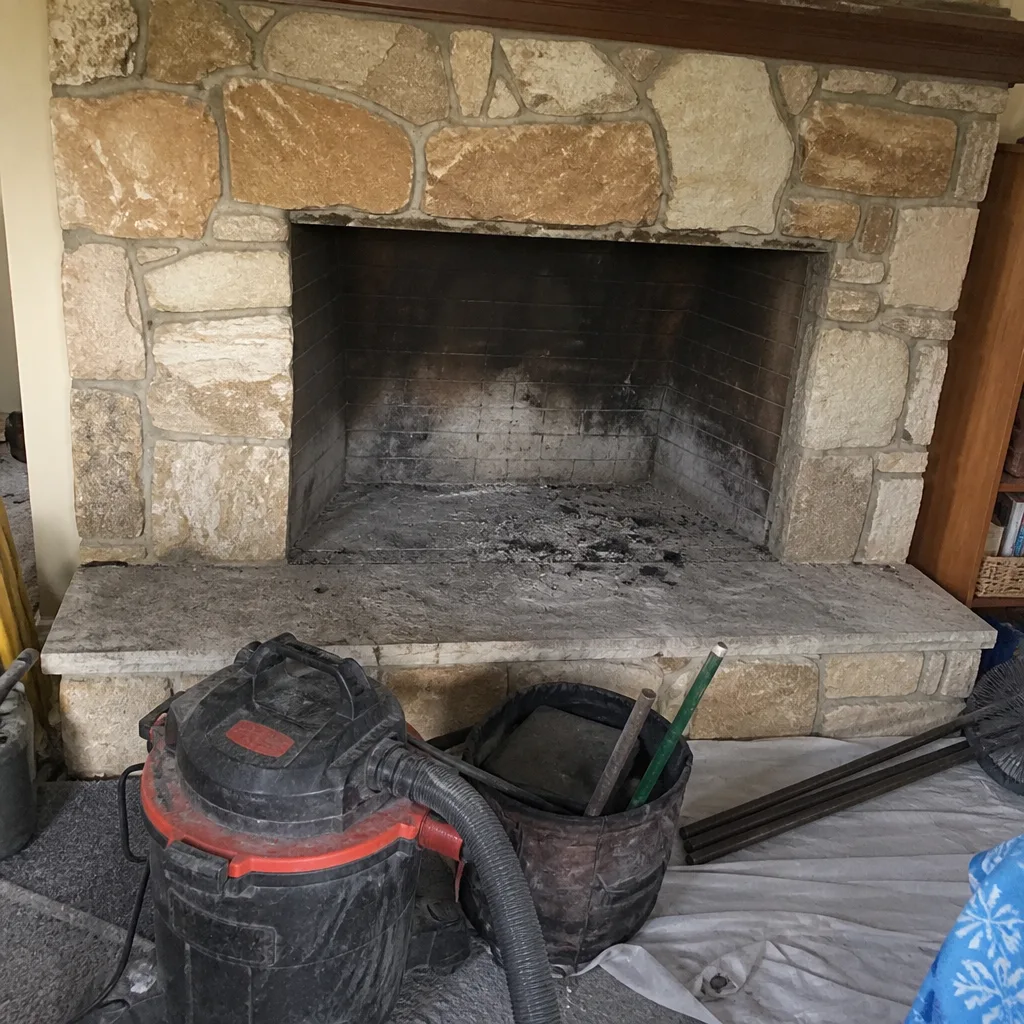 Before
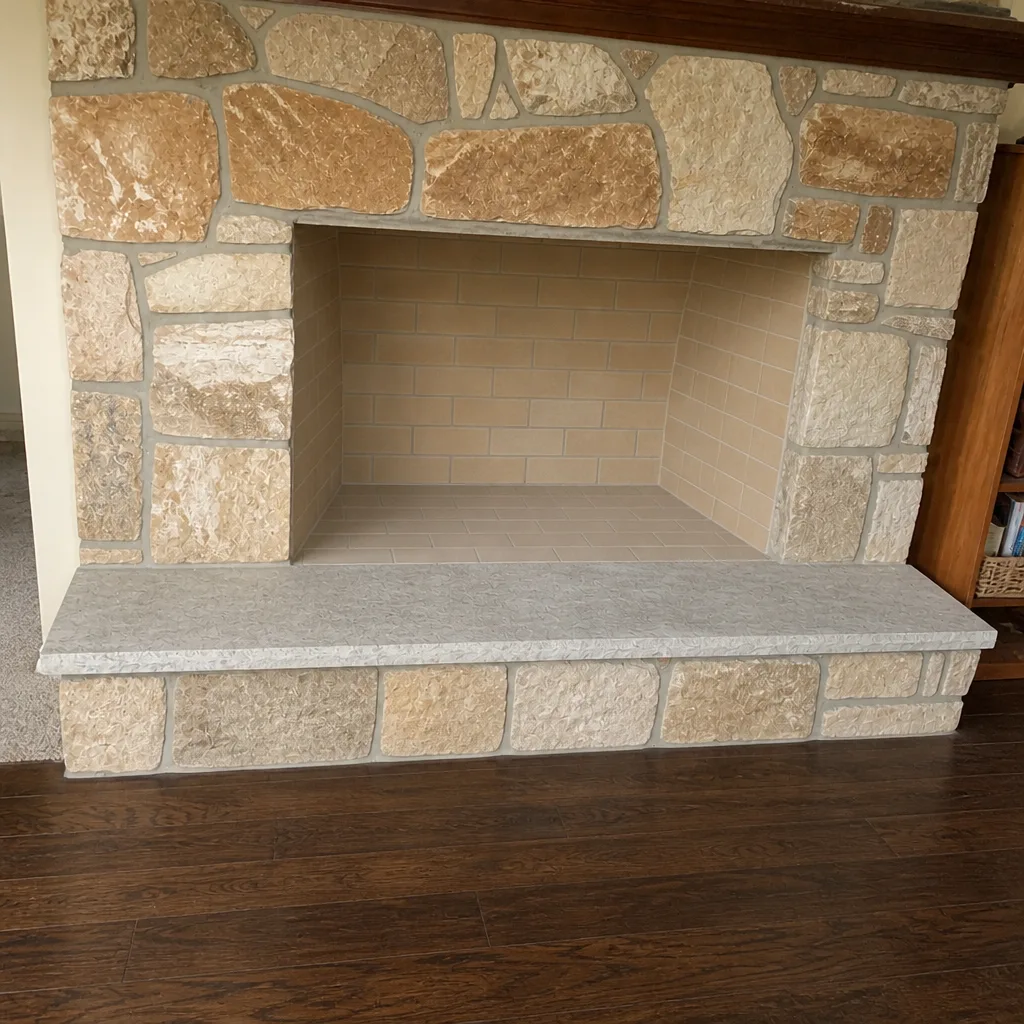 After
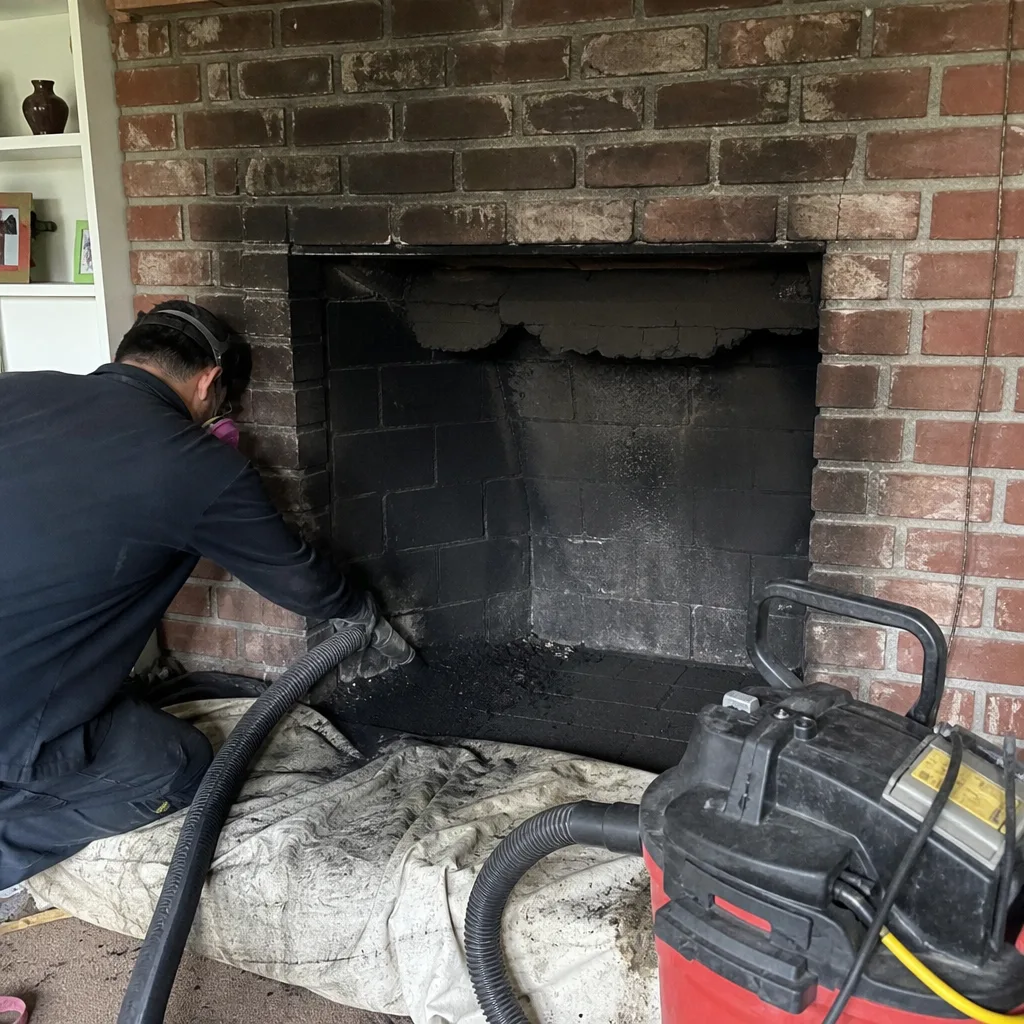 Before
 After
 Before
 After
When to Call a Professional
Call a professional if you’ve just moved into a Stockton home with a fireplace you haven’t used, if it’s been more than a year since the last sweep, or if you’ve had a chimney fire, even a small one. Call if you smell smoke in the room when the fireplace is burning, if the draft has gotten weaker, if you see staining on the ceiling or walls near the chimney, or if the firebox has visible cracks or crumbling mortar. Call if you’ve switched fuel types, changed the appliance, or notice a dark glaze on the flue. And call before the burning season if you’re not sure when the chimney was last cleaned. Stockton Chimney Sweep offers free estimates in Stockton. Call (877) 516-9568. We answer 24/7. Fast dispatch from 7am to 7pm, Sunday through Friday.
Frequently Asked Questions
A standard chimney sweep in Stockton typically falls in a modest three-figure range, with the exact price depending on the creosote level, flue access, and whether a video inspection is included. Glazed creosote and heavier buildup cost more because they take more time and specific methods to remove. The written estimate sets the final price, and the estimate is free. Call (877) 516-9568 for an exact quote.
For most Stockton households, an annual sweep and inspection booked before the burning season is the baseline, and the real frequency depends on how much and what you burn. If you burn oak steadily through the winter, or you’ve noticed odor or a weak draft, a midseason check is worth it. If you light a handful of almond fires on cool evenings, the annual sweep is usually enough. Call (877) 516-9568 to talk through your burn pattern and get a recommendation.
Only if the inspection shows the existing liner is cracked, separated, or otherwise failing, and you should see the camera footage before you agree to anything. When the liner is beyond saving, a DuraFlex flexible liner is the standard fix for older or irregular flues without tearing out masonry. When the flue is still sound but cracked, HeatShield ceramic restoration can resurface it, which often costs less than a full reline. Ask to see the evidence, then decide. Call (877) 516-9568 for a free estimate.
Skipped cleaning lets creosote keep building, and once it glazes over, it stops being something a standard brush can remove and starts being a fire risk. A blocked or restricted flue can also push carbon monoxide back into the room instead of up the chimney, which is a health and safety problem, not just an inconvenience. The cost of a sweep is small next to the cost of a chimney fire or a reline that could have been avoided. Call (877) 516-9568 to book a sweep before the season starts.
Not usually, because the parts that matter most, the smoke chamber, the liner, and the firebox joints, are the parts a quick brush-and-go sweep tends to skip. A chimney-only specialist checks the whole system and can move into repair work without handing you off to a subcontractor. If your last sweep was a general handyman job, it’s worth having a specialist take a closer look. Call (877) 516-9568 for a free estimate.
A Level 1 is a visual check of the accessible parts of the chimney during routine maintenance, while a Level 2 adds a closer look at accessible portions of the structure and usually a video camera view of the flue. You want the Level 2 after a chimney fire, after moving into a new Stockton home, before a repair or relining, or whenever something doesn’t look right. For a routine annual sweep, a Level 1 is usually enough. Call (877) 516-9568 and we’ll tell you which one fits your situation.
The Bottom Line
Chimney cleaning in Stockton isn’t a generic annual chore. The tule fog, the local firewood, and the way people actually burn through a valley winter all change how fast creosote builds and how hard it is to remove. The practical rules: match your schedule to how you burn, get the smoke chamber and liner checked and not just the flue brushed, ask to see the camera footage behind any recommendation, and treat the cap and crown as part of the system rather than an afterthought. Cleaning comes first, repair only when the evidence says it’s needed, and a specialist who works on chimneys alone will catch what a generalist misses. If you want to know where your chimney stands before the season starts, a free estimate is the simplest way to find out.
Stockton Chimney Sweep provides chimney sweeping, chimney repair, and chimney inspection for homeowners across Stockton. The work is handled by chimney-only specialists using professional-grade materials from DuraFlex, HeatShield, Gelco, Famco, Olympia Chimney, and Copperfield. Our technicians have up to 13 years of experience. Call (877) 516-9568 for a free estimate. We answer 24/7. Fast dispatch from 7am to 7pm, Sunday through Friday.
Written by the team at Stockton Chimney Sweep.