
Last updated November 16, 2026
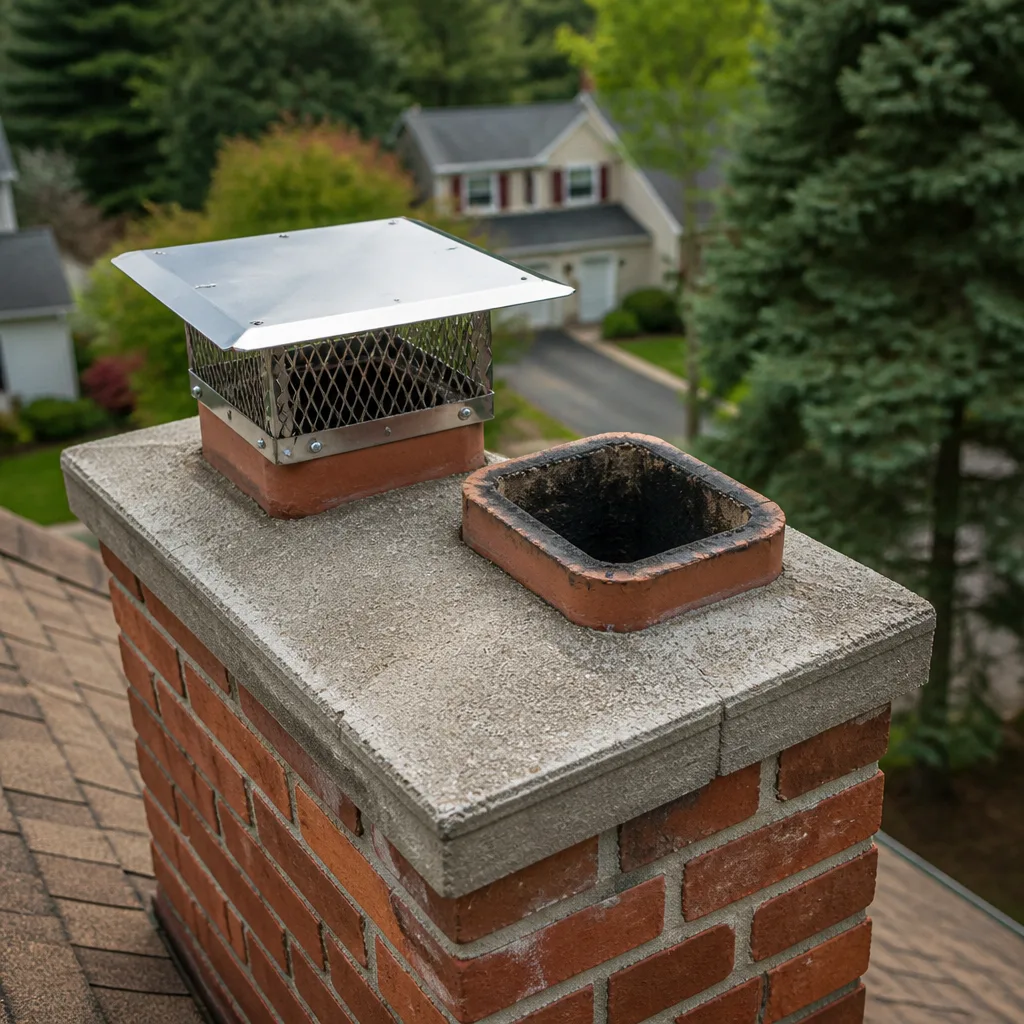 Sweep & inspection
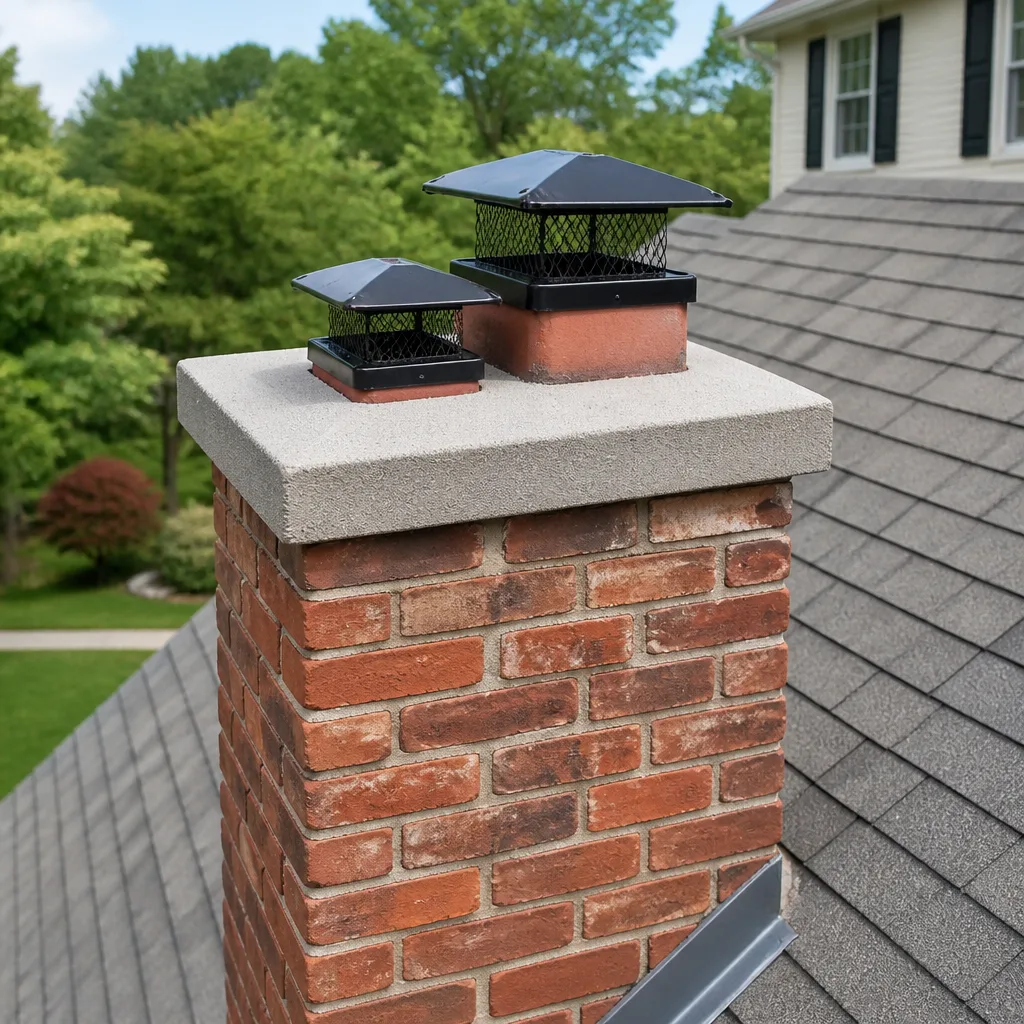 Caps & crowns
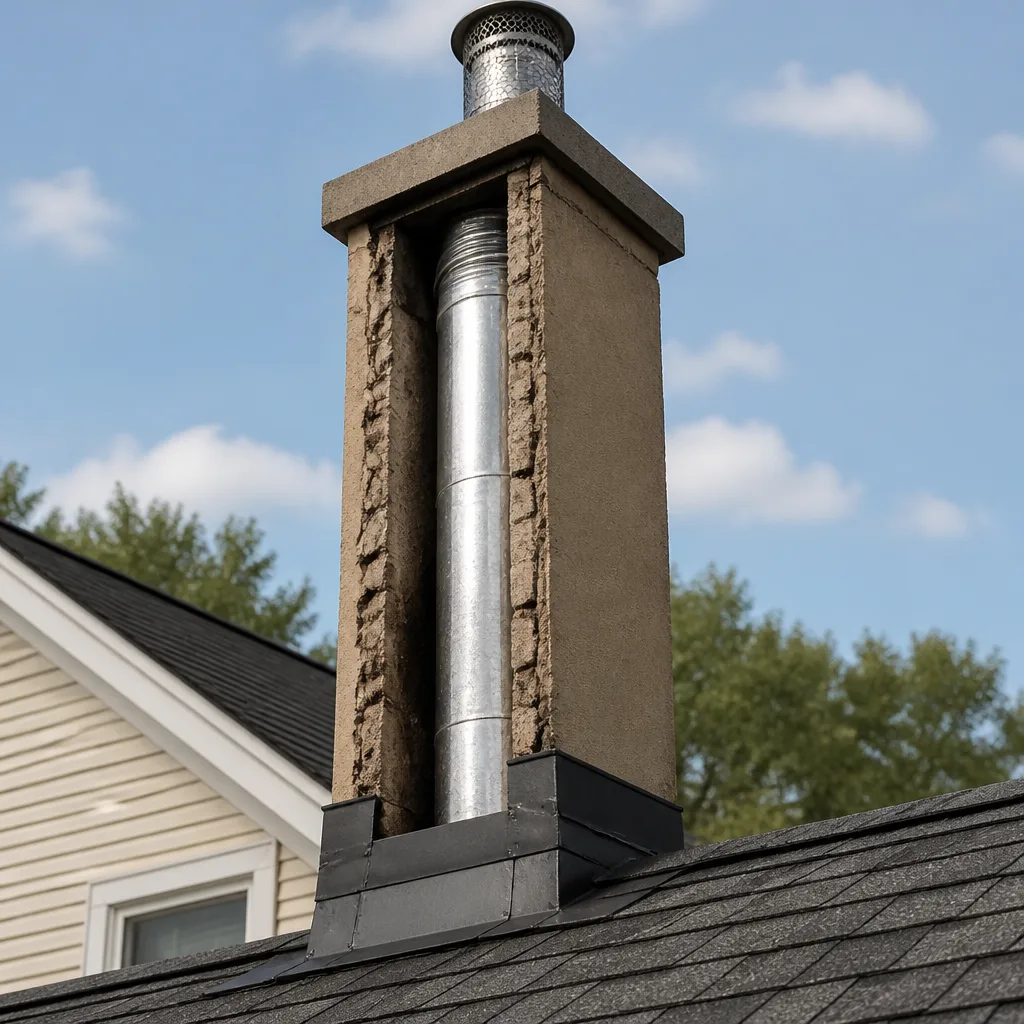 Flue relining
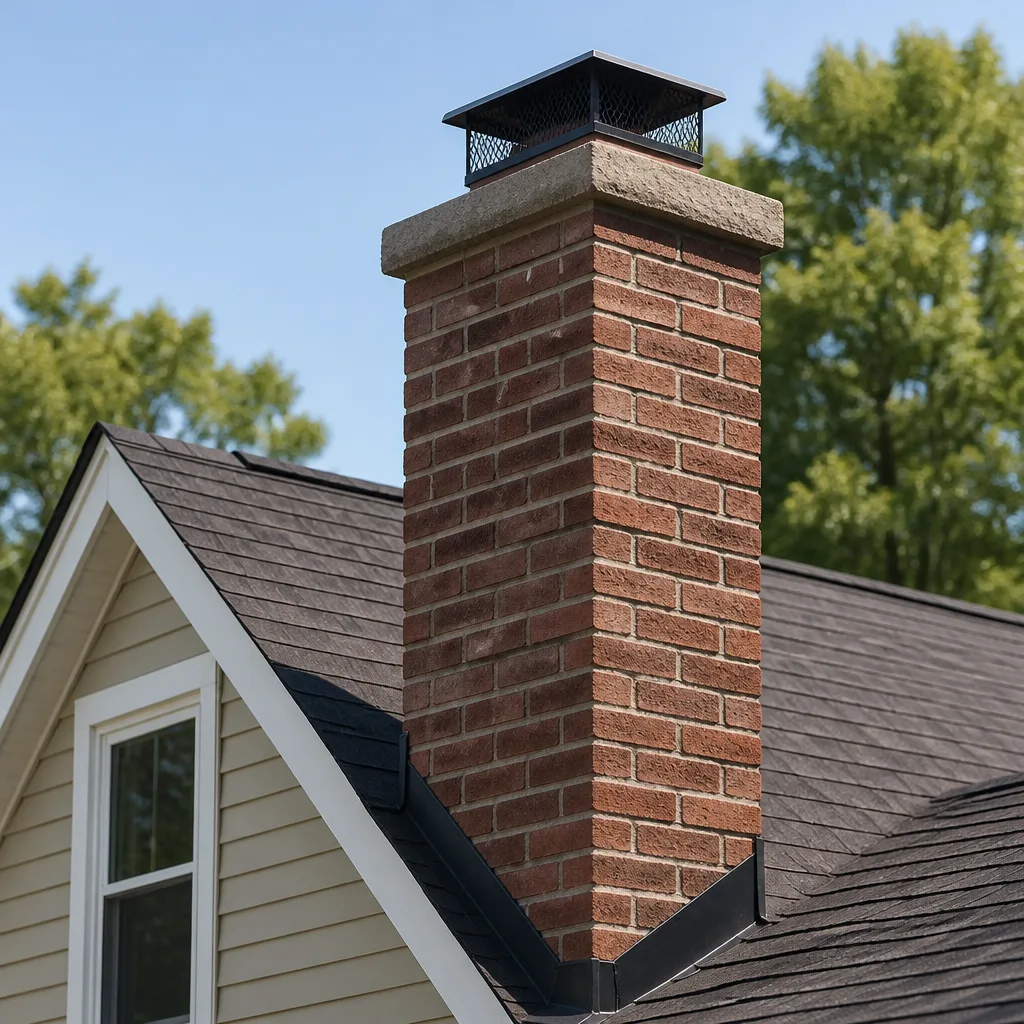 Masonry repair
 Gas fireplace service
Level 1 sweep and inspection to the NFPA 211 annual standard - flue, crown, cap, and flashing checked and photographed
Chimney sweep logs do not sweep chimneys. They loosen some creosote - which then falls where a brush and vacuum still have to collect it.
DIY vs Professional Chimney Cleaning: The Stockton Homeowner’s Decision Guide
You can buy the same brush kit a sweep uses on Amazon. What you can’t buy is the ability to know what you’re looking at when the brush comes back down. That’s the part most DIY-versus-professional arguments skip. A homeowner with a ladder, a rod set, and a free afternoon can knock loose soot off the flue walls. What they can’t do is tell you whether the dark patch near the smoke shelf is glazed creosote waiting on its next ignition point, whether a hairline crack in the liner has been quietly letting heat reach framing lumber, or whether the “clean” flue is shedding tile fragments into the smoke chamber. In Stockton, where a lot of the housing stock predates modern liner standards, those questions matter more than the brushing itself. This guide separates what DIY actually accomplishes from what it misses, so you can decide where to draw the line at your own house.
Quick Answer
DIY chimney cleaning only handles the top layer of soot and is safe to do for light surface buildup, but it cannot remove glazed Stage 2 or Stage 3 creosote, cannot inspect a flue for cracks or deterioration, and cannot confirm your chimney is safe to burn in. A professional chimney inspection and sweep is the only way to see what’s actually inside the flue and get a documented record of your chimney’s condition. For most Stockton homeowners burning wood regularly, that inspection is the part that matters, not the scrubbing.
Styles & brands we work with
- Sweep & inspection
- Caps & crowns
- Flue relining
- Masonry repair
- Gas fireplace service
Table of Contents
- What DIY Cleaning Actually Removes and What It Leaves Behind
- The Diagnosis Gap: Why the Brush Is the Easy Part
- The Tools a Professional Uses That Have No Consumer Equivalent
- Stockton-Specific Risk Factors That Make DIY More Consequential
- When DIY Maintenance Makes Sense
- When DIY Creates False Confidence
- Calculating the Real Cost of DIY vs a Professional Sweep
- How to Choose a Chimney Professional in Stockton
What DIY Cleaning Actually Removes and What It Leaves Behind
Creosote doesn’t arrive in one consistent form. It builds up in layers, and each layer behaves differently under a brush. That difference is the entire ballgame between a cleaning that helps and a cleaning that just makes the flue look better from the top.
Stage 1 creosote is the fluffy, flaky, soot-heavy deposit you can see when you shine a light up the flue. It comes off with a standard bristle brush and moderate pressure. This is the layer a homeowner with a rod-and-brush kit can genuinely remove. If your chimney only ever forms Stage 1, and you sweep it every season before it thickens, DIY is doing real work.
Stage 2 creosote is where DIY stops working. It’s a hardened, crusty, tar-like deposit that fuses to the flue wall. A hand brush skates across it. Under a hot fire it can re-gassify and ignite, which is why Stage 2 is the layer sweeps worry about. Removing it requires either rotary cleaning equipment with metal flails or chemical treatment that softens the crust so it can be brushed away over multiple passes.
Stage 3 creosote is the glazed, shiny, hardened coating that looks almost like black glass. It’s the result of repeated fires with insufficient draft or unseasoned wood, and it’s the most combustible form. Some Stage 3 flues cannot be safely cleaned at all without risking damage to the liner, and the flue has to be evaluated for relining rather than simply cleaned.
What a DIY brush pass leaves behind, in practical terms: the Stage 2 and Stage 3 layers if they’re present, any creosote that has collected behind the damper frame or in the smoke chamber, and any deposit at the very top or bottom of the flue that the rod angle can’t reach. The flue looks better because the loose soot is gone. It’s not safer, because the hardened deposits are still there and still flammable. That’s the gap. It’s also why a professional chimney sweep is diagnostic work as much as cleaning work.
The Diagnosis Gap: Why the Brush Is the Easy Part
Most homeowners think of a chimney sweep as a person with a brush. In practice, the brush is the part that takes a few minutes and the inspection is the part that takes most of the visit. Here’s the difference in plain terms.
A DIY cleaning confirms one thing: that the flue got brushed. A professional sweep confirms a stack of things you can’t verify from a ladder. The technician checks the liner for cracks, gaps, and separation at the joints. They check the smoke chamber for parging breakdown and for deposits that can feed a fire above the damper. They check the firebox for cracked masonry, deteriorated mortar, and loose brick. They check the damper for proper operation. They check the cap, crown, and flashing for water paths, wildlife entry points, and structural gaps. None of those checks happen with a brush kit.
In our experience across Stockton, the calls that turn into real repair work almost always start with something the homeowner couldn’t see: a hairline crack in a clay tile liner, a smoke chamber with a soft, dusting surface where the refractory parging has broken down, a cap that’s been missing or the wrong size for years and has been letting rain and animals into the flue. A brush wouldn’t have found any of it. A trained eye with a camera would have found all of it on the first pass.
This is the pivot point of the whole DIY-versus-professional question. DIY is about scoring a physical task. The professionals are scoring a diagnostic one. If you only ever needed the physical task done, DIY would be reasonable. Most chimneys past a certain age need the diagnostic task just as much.
The Tools a Professional Uses That Have No Consumer Equivalent
You can pick up a brush kit, a shop vacuum with a HEPA filter, and a flashlight at any hardware store. You cannot pick up the tools that do the actual diagnostic and cleaning work on a problematic flue. Here’s what’s in a professional kit that isn’t sold in consumer form.
- High-resolution flue cameras. A technician’s camera fits down the flue on a flexible rod and feeds video to a monitor the homeowner can watch in real time. That camera is how liner cracks, offset tile joints, and deterioration are actually identified. Consumer borescopes exist, but they’re too short, too fragile, and too low-resolution for a working flue, and they don’t come with the technician’s trained interpretation of what’s on the screen.
- Industrial HEPA vacuum systems. These are gas-powered or heavy-duty electric units that pull far more volume than a shop vac. They create enough negative pressure to keep soot inside the firebox while the flue is being worked, and they capture the fine dust that a shop vac blows back into the room. That matters in a furnished house with the family in it.
- Rotary cleaning systems. These are motorized setups with interchangeable whip heads and metal flails that spin against the flue wall to break up Stage 2 and Stage 3 deposits. A hand brush can’t generate that kind of force, and applying it safely without damaging the liner takes training.
- Chemical creosote removers. Professional-grade solvents and powders soften glazed deposits over a treatment cycle so they can be removed on a follow-up sweep. These aren’t retail products and their use has to be matched to the liner material.
- Combustion and draft testers. A sweep can measure draft pressure and confirm the flue is pulling correctly, which is how draft problems and smoke issues get diagnosed rather than guessed at.
- Access tools for the smoke chamber. Proper smoke chamber cleaning requires reaching angles and surfaces a homeowner can’t get to from the firebox or the roof.
The point isn’t that the tools are expensive. It’s that these tools only make sense in a workflow where a trained technician knows what the results mean. A homeowner with a camera and no understanding of what a deteriorated clay joint looks like on screen hasn’t gained anything. A trained technician with a brush and a camera can tell you in ten minutes whether your chimney can safely burn this winter or needs work first. That’s the visit you’re actually paying for when you call a sweep.
Stockton-Specific Risk Factors That Make DIY More Consequential
Chimney cleaning in Stockton is not the same job as chimney cleaning in a brand-new subdivision, and the local housing stock is the reason. Older masonry construction is common in the central Stockton neighborhoods, and that older construction has its own set of failure patterns a homeowner won’t see from a ladder.
Older masonry and aged liners. Many homes in and around central Stockton were built with clay tile liner systems that have been through decades of heating cycles. Mortar joints between tiles fail before the tiles themselves do, and the failure isn’t visible from the flue top. A camera run under the flue finds it. A brush doesn’t. When a clay liner has separated joints, the hot gases can reach the masonry around it, and from there, depending on construction, framing. This is a fix with a liner system like DuraFlex or a restoration with HeatShield, not with a stiffer brush stroke.
Wildlife nesting in unprotected flues. Stockton’s tree canopy and nearby open land make flues an attractive nesting spot for birds and other animals, especially when a chimney has no cap or has a cap that’s been damaged or pulled loose. A nest is not just a draft problem. It’s combustible material sitting in a flue, it can drop down and block the flue at the worst possible moment, and it can carry parasites into the home. Removing a nest and confirming a flue is clear is professional work. A homeowner going up with a brush doesn’t know what’s still wedged around the smoke shelf.
Long, mild burn seasons. Stockton’s mild winters mean many homes burn wood for fewer months than a colder climate would. That’s actually a risk factor, not a comfort. Chimneys that burn intermittently build creosote in uneven layers, with more dramatic temperature swings between fires. A homeowner might sweep once at the start of the season and never again, even though deposits are forming through the cooler months. An annual inspection is the anchor that catches the seasons nobody brushed.
Combined fireplace and HVAC systems. Plenty of Stockton homes have a gas log set or insert installed in what used to be a wood fireplace. Those installations need to be checked for proper venting and clearance by someone who understands both the appliance and the flue. A homeowner brushing a gas-assisted chimney is not the same task as brushing a wood-burning one, and DIY guidance pulled off the internet rarely distinguishes the two.
None of this is a reason to panic. It’s a reason to think of chimney cleaning as part of your home’s inspection rhythm, not a chore to be knocked out on a Saturday morning. The Stockton climate and housing give the inspection more to catch than a homeowner can realistically self-diagnose.
When DIY Maintenance Makes Sense
We’re not going to argue that every homeowner should call a sweep for every bit of chimney housekeeping. Some of it is genuinely appropriate to do yourself, and doing it well reduces the work a professional has to do on the next visit. Here’s where DIY earns its keep.
- Ash removal between fires. Once the firebox has cooled completely, scooping out excess ash is appropriate and helps keep the fire burning efficiently. Leave a thin bed of ash as a base. Bag the removed ash and dispose of it outside, well away from anything combustible.
- Visual checks of the firebox. With a flashlight and no fire in the box, you can look for obvious changes: new cracks in the brick, crumbling mortar, a loose damper, soot streaks running above the firebox opening. Any of these are reasons to call.
- Keeping the firebox area clean. Sweeping up stray ash and soot around the hearth, clearing the immediate firebox floor, and keeping decorative items off the hearth are all appropriately DIY.
- Basic exterior checks from ground level. With binoculars or a good zoom lens, you can look at the chimney from the yard for missing caps, obvious crown damage, or visible lean. You’re not diagnosing anything. You’re flagging anything that’s changed.
- Routine seasonal observation. Noting whether smoke draws cleanly, whether you ever smell a smoky odor in the house when the fireplace is off, whether creosote is visibly building up on the firebox walls. These observations are what you’d tell a technician when you call.
What this list has in common: none of it requires a brush up the flue, none of it requires going on the roof, and none of it pretends to identify a problem. Ash removal and a visual scan are helpful. A “quick sweep” between professional visits is where homeowners drift into the false-confidence territory.
When DIY Creates False Confidence
The biggest risk in DIY chimney cleaning isn’t an injury or a fire directly caused by the act. It’s the belief it produces: that the chimney is clean because a brush went up and down. That belief is what lets a homeowner head into winter assuming the chimney is safe when nobody has actually looked at the liner.
Here’s where that false confidence causes the most damage:
- After a partial sweep. The brush knocked off the loose soot, the flue looks darker and cleaner, and the homeowner concludes the job is done. Meanwhile a Stage 2 crust remains on the upper flue and the smoke chamber is untouched. Neither is visible from the firebox, and both are combustible.
- After a DIY camera pass. A homeowner borrows or buys a cheap borescope, gets a grainy image that looks clean, and stops worrying. A flue camera is only as useful as the eye reading it. Trained sweeps know what a separating joint looks like, what a fine crack in a liner tile looks like, and what a smoke chamber that has lost its parging looks like. A homeowner seeing those things for the first time usually doesn’t recognize them.
- After patching cosmetic damage. Hairline cracks in firebox brick get touched up with mortar. A missing cap gets replaced with a too-small cap. These repairs look like progress but often don’t address the underlying cause, and they can hide the evidence a technician would need to diagnose the real issue.
- After a season with no inspection. The homeowner cleaned the flue in the fall, burnt through the winter, and skipped the spring look. By the next fall, deposits have thickened and staged up. A professional would have caught it with a routine inspection. DIY dependent on the homeowner remembering doesn’t.
- After a flue fire scare. The chimney made a roaring sound, flames shot from the top, and it went out. The homeowner sweeps, assumes the flue is fine, and starts burning again. A flue fire, even a small one, can crack a clay liner or warp a metal one. That flue must be inspected before another fire.
The false-confidence pattern isn’t a knock on homeowners. It’s a matter of what information is available. A brush and a flashlight tell you less than they seem to. A trained sweep with a camera, a rotary system, and a HEPA vacuum tells you what’s actually going on. The gap between those two pictures is where repairs get found, before the problem becomes a much bigger cost.
Calculating the Real Cost of DIY vs a Professional Sweep
DIY looks cheaper because the visible cost is a brush kit and maybe a ladder. But the true cost includes the tools that end up unused after one season, the time, and the risk of missed damage. A professional sweep’s cost is the quote. The comparison works out differently once you add up everything a thoughtful homeowner should be counting.
Here’s what a realistic DIY ledger looks like:
| Item | Typical DIY cost |
|---|---|
| Brush and rod kit | $30 – $120 |
| Ladder rated for roof access | $80 – $250 |
| HEPA shop vacuum | $80 – $200 |
| Safety gear (mask, goggles, drop cloths) | $30 – $60 |
| Time (2 to 4 hours, first time more) | Half a day, often a full one |
| Risk of missed liner, smoke chamber, or cap damage | Unknown, potentially thousands |
Now the professional side. A typical chimney sweep in Stockton runs in the low-$200 to low-$300 range for a standard wood-burning sweep and inspection, with the written estimate setting the final price. If the inspection calls for a liner evaluation with a camera, or if the flue has enough Stage 2 buildup to need rotary cleaning, the price goes up from there. If a repair is recommended, that’s a separate conversation with its own estimate.
A few things the homeowner’s DIY ledger misses:
- The equipment doesn’t stop being used after one job. If you plan to sweep every year, the recurring tools cost is lower than the first year, but the inspection gap doesn’t close. The kit doesn’t tell you what’s wrong.
- A shop vac and a professional HEPA system are not the same tool. A shop vac in a chimney is often a dusty job that pushes fine soot back into the home. A professional system captures it.
- Time has a cost if you value it. An afternoon on a ladder, four hours of travel-and-setup, and cleanup is the real price of the DIY option. A sweep usually finishes well under an hour of actual work.
- The cost asymmetry of missed damage. A missed liner crack is a masonry repair. A missed smoke chamber breakdown is a reconstruction. Those aren’t hypothetical. They’re the calls we get when a homeowner has been brushing for years and only finally notices a smell in the house.
Set against that, the professional chimney repair conversation only becomes expensive when something has gone undiagnosed. Catch it early with an inspection and the repair is smaller. Skip the inspection and the repair is bigger. That’s the equation that actually matters.
How to Choose a Chimney Professional in Stockton
Not every chimney professional is the same, and picking the right one is how you avoid the version of “professional” that means a generalist who sweeps chimneys on the side. The difference shows up in what they carry, how they inspect, and what they recommend.
Look for a chimney-only specialist. A company that does sweep, inspection, and repair within a single focused trade concentrates expertise rather than spreading it thin. Ask what the technician actually does on the visit. If a “sweep” is just a brush and a price, it’s the wrong kind of visit. A proper sweep includes a camera inspection of the flue, a check of the smoke chamber, firebox, damper, cap, crown, and flashing, and a documented report of what was found.
Ask what materials they use if repairs are recommended. Professional chimney work depends on professional-grade products: DuraFlex for flexible liner systems when a flue needs relining, HeatShield for ceramic flue resurfacing when a liner can be restored instead of replaced, Gelco for properly sized and sealed chimney caps, and Famco components for venting. A chimney specialist will name these without prompting. A generalist usually won’t, because they don’t carry them.
Ask about cost-saving options before full replacement. HeatShield liner restoration is a code-compliant repair method that extends flue life without full relining in the right conditions. Not every flue qualifies, but if a contractor doesn’t know how to apply it, they’ll default to the more expensive option. The right liner for your flue depends on what’s actually inside it, which comes back to the inspection.
At Stockton Chimney Sweep, the visit is inspection first, recommendation second, and repair or sweep third, always in that order. Our technicians have up to 13 years of experience, and we work with a defined set of professional brands so every job uses the same quality of material. The inspection is included with the sweep and the report is documented so you can see what we saw. If a repair is recommended, you know why and can ask questions about it before any work starts. Call (877) 516-9568 for a free estimate on a sweep or an inspection. We answer 24/7. Fast dispatch from 7am to 7pm, Sunday through Friday.
Common Mistakes to Avoid
- Sweeping once and assuming you’re done for the year. DIY or professional, a sweep is a point in time. Chimneys in Stockton accumulate deposits over the burn season, and skipping the inspection in the spring can hide a problem through the warm months.
- Using a brush on a flue you haven’t inspected. Brushing a flue that has Stage 3 glazed creosote can make it flake and spread, and brushing a flue with cracked liner tiles can push debris into the joints. Inspect first, always.
- Buying a cheap borescope and interpreting the images as “clean.” Low-resolution consumer cameras miss cracked or separated tile joints. A professional flue camera sees what a $60 consumer unit doesn’t.
- Ignoring a missing or wrong-sized cap. Stockton’s trees and wildlife will find an uncapped flue. A cap that’s too small or poorly sealed invites water intrusion, nesting, and draft problems. Gelco caps sized and sealed correctly are the standard fix.
- Patching cosmetic cracks in the firebox without diagnosing the cause. A crack in firebox brick can be a symptom of a liner problem above. Mortar over the top hides it and doesn’t fix it.
- Skipping the smoke chamber. It’s the part of the chimney directly above the damper and below the flue, and it’s a common place for deposits to collect out of the reach of a brush. It’s also a common place for a fire to start. A professional sweep reaches it; a DIY brush doesn’t.
- Calling a general handyman for a chimney problem. Chimney work needs chimney tools and chimney training. A handyman who “does everything” usually doesn’t have a flue camera, rotary cleaning equipment, or the liner brands a specialist uses.
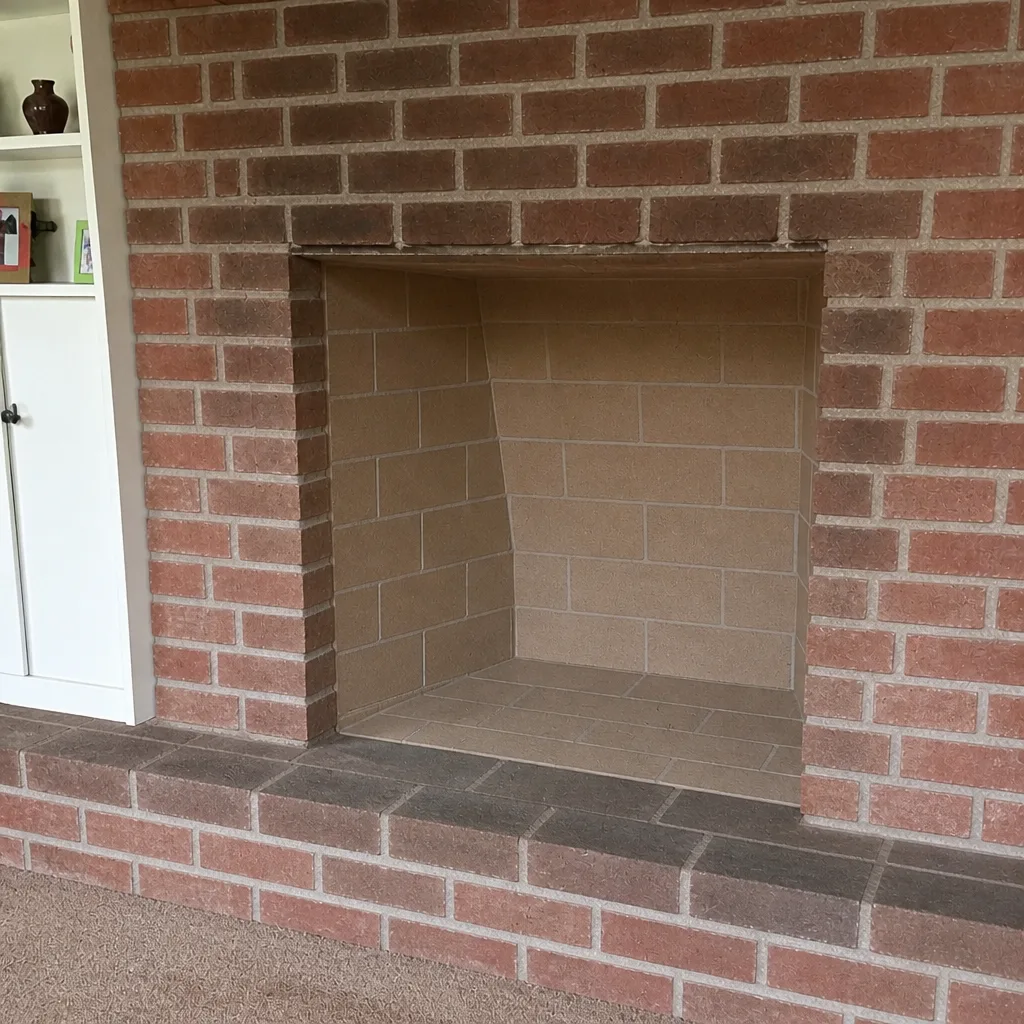
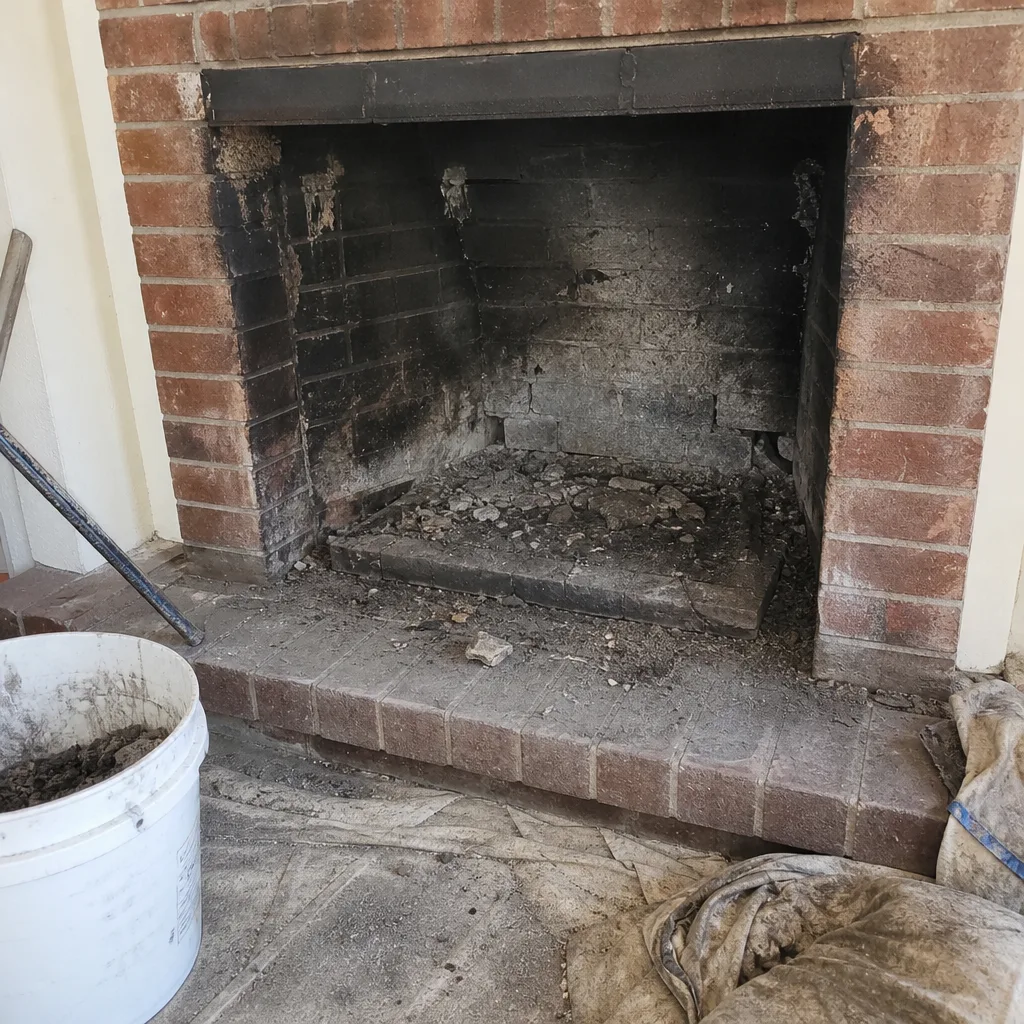
See the difference
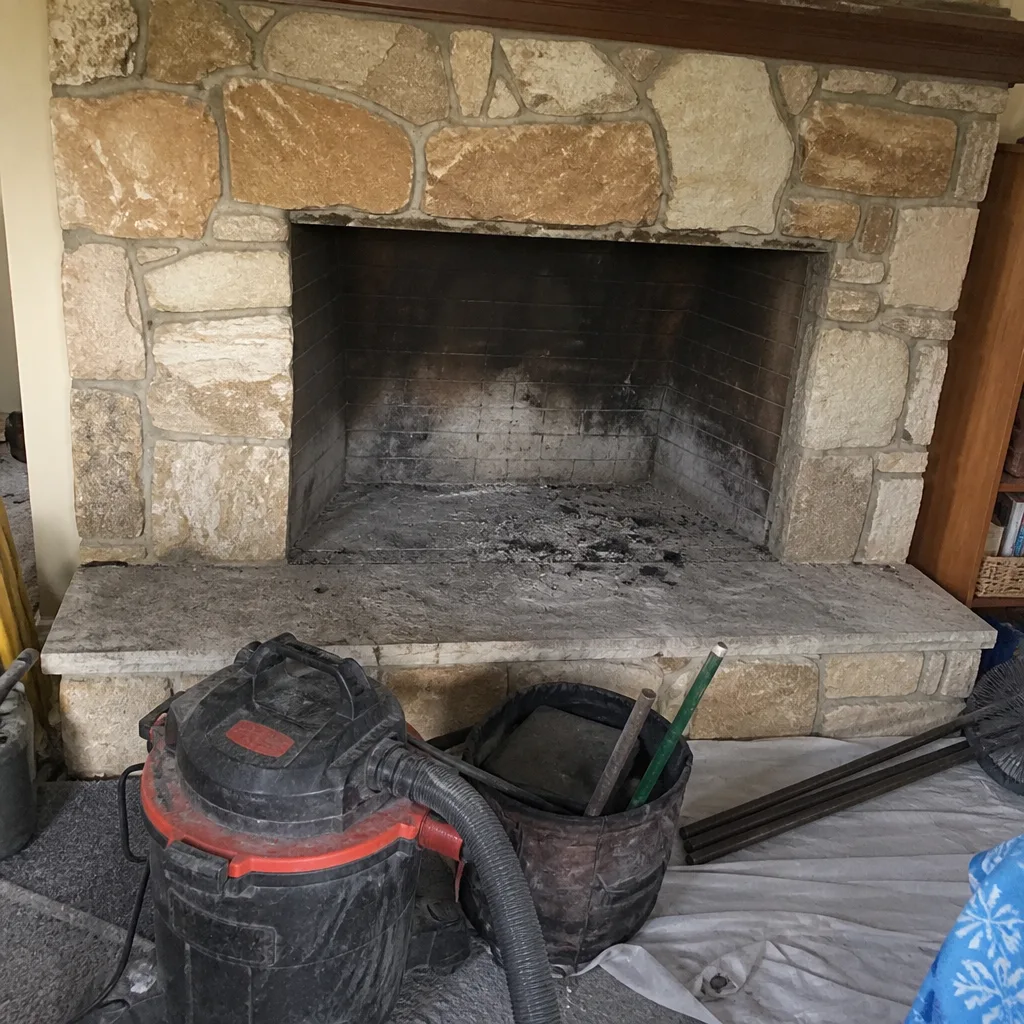 Before
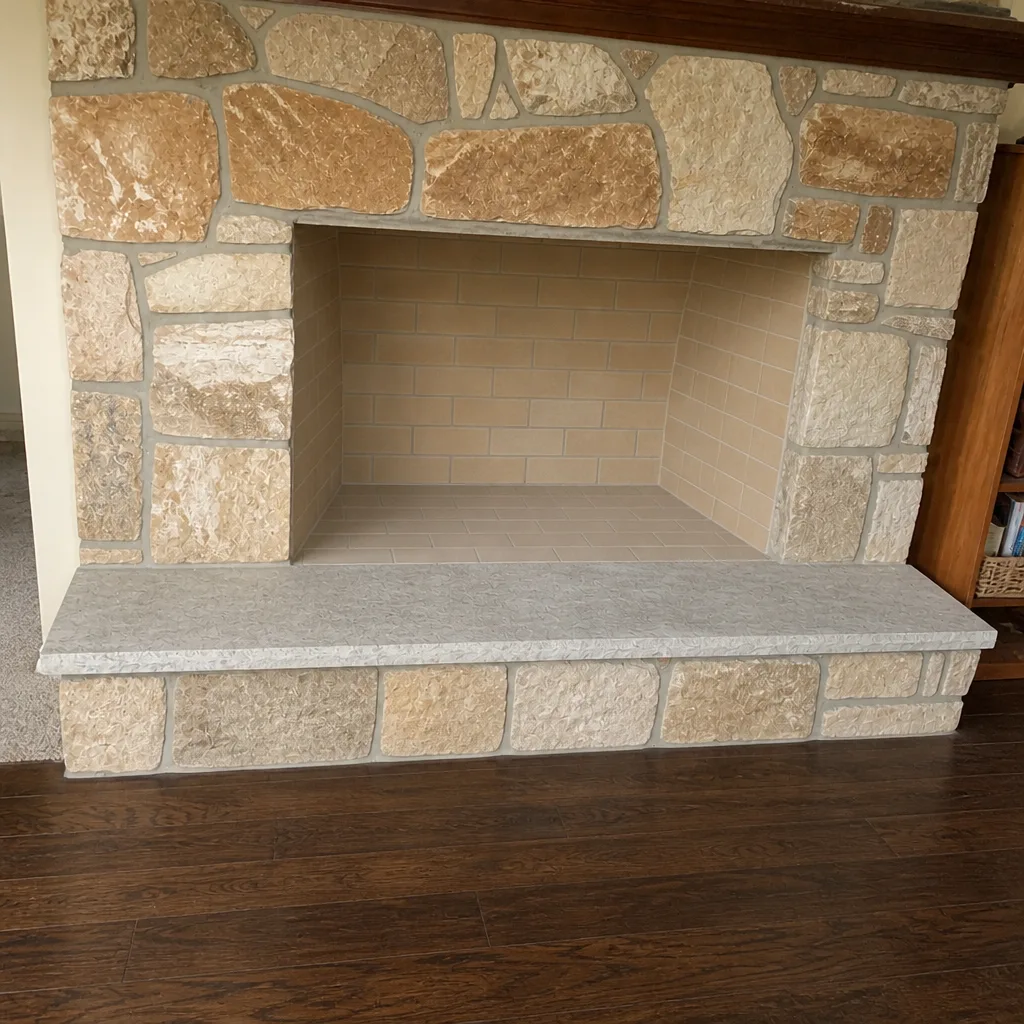 After
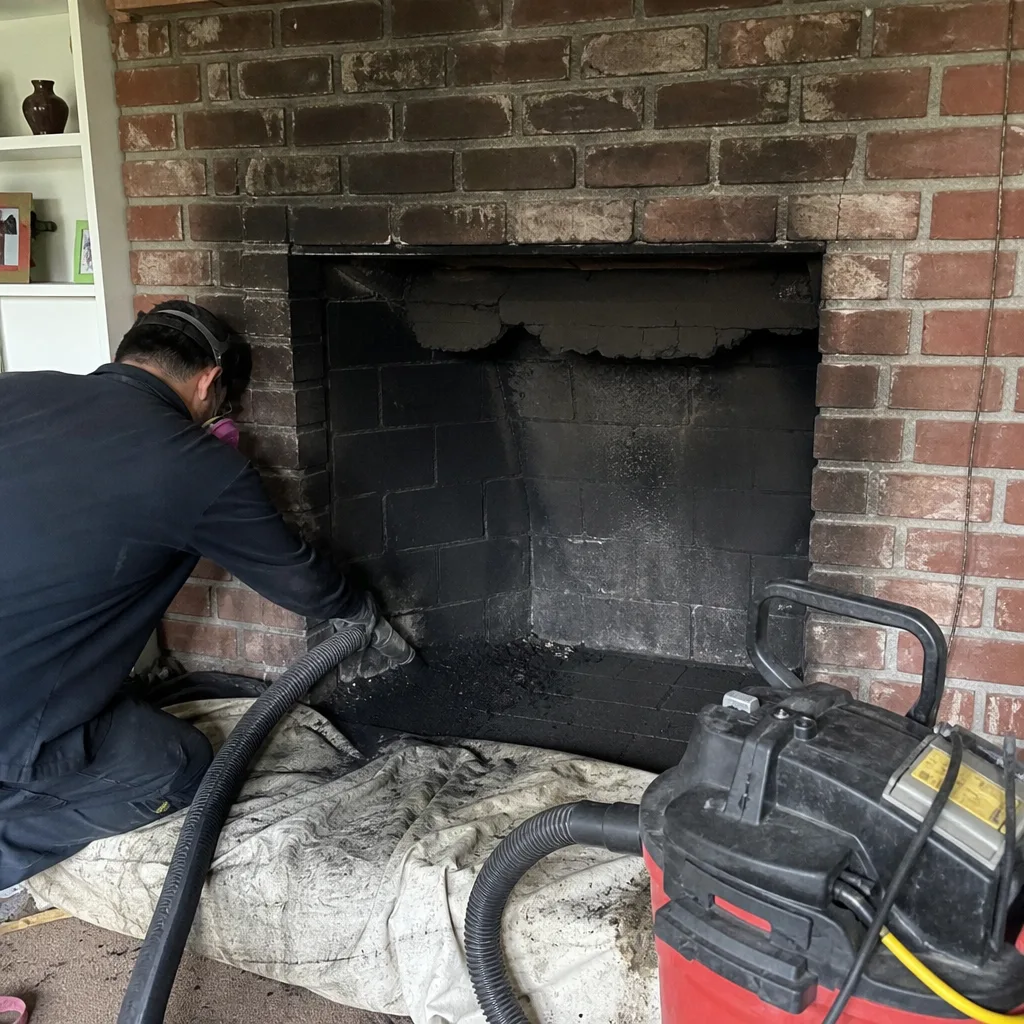 Before
 After
 Before
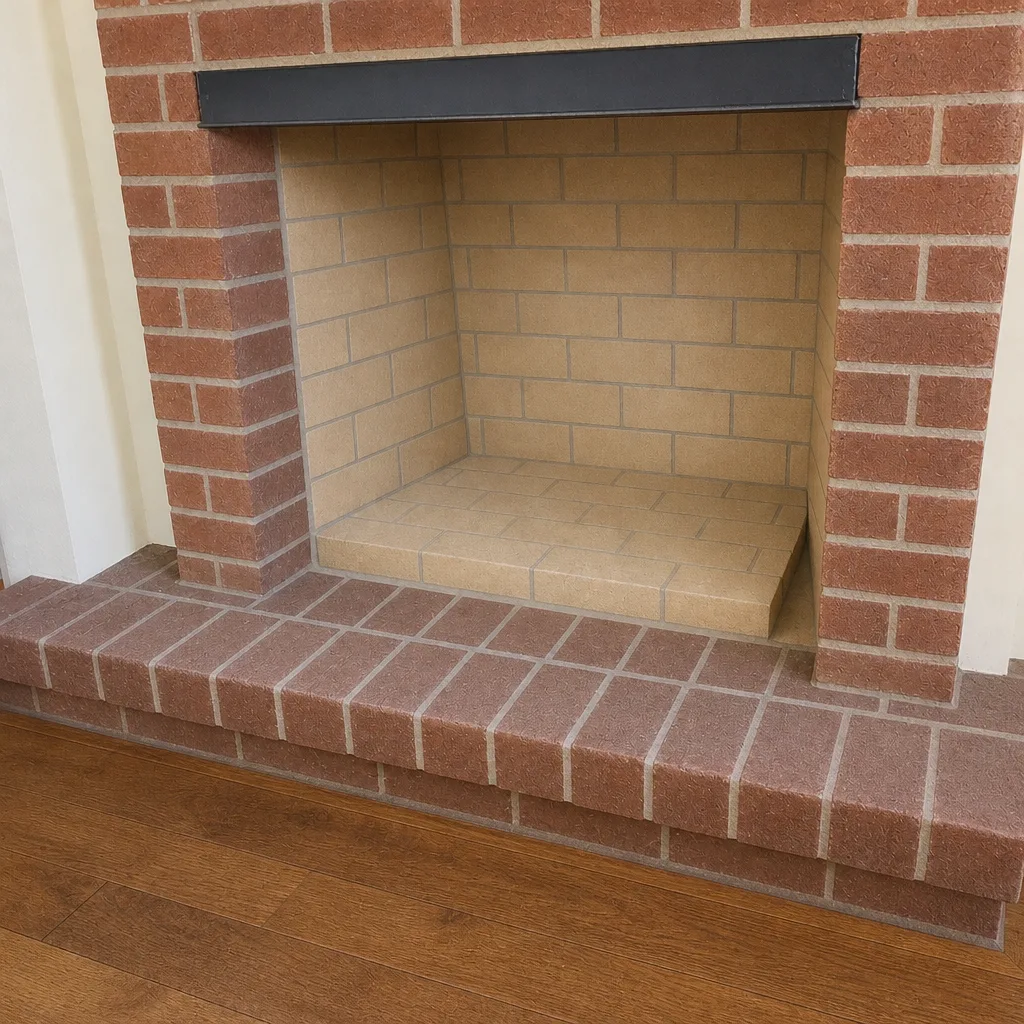 After
When to Call a Professional
Some situations don’t leave room for a decision. Call a professional sweep if smoke comes back into the room when the fireplace is burning, if you smell a smoky or tar-like odor in the house when the fireplace is off, if you’ve had a chimney fire of any size, if there’s visible moisture or staining on the chimney exterior, if birds or animals are getting into the flue, or if it’s been more than a year since the chimney was last inspected and swept. Call before your first fire of the season rather than after, so any repair has time to be scheduled before the cold months. Stockton Chimney Sweep offers free estimates in Stockton. Call (877) 516-9568. We answer 24/7. Fast dispatch from 7am to 7pm, Sunday through Friday. A call outside dispatch hours is booked into the next opening, Sunday through Friday, 7am to 7pm.
Frequently Asked Questions
A professional chimney sweep in Stockton typically runs in the low-$200 to low-$300 range for a standard wood-burning sweep with inspection, and the written estimate sets the final price. Repairs, relining, and restoration are quoted separately once the inspection identifies what’s needed. Call (877) 516-9568 for an exact quote. Estimates are free.
You can remove light surface soot yourself with a brush kit and that’s a legitimate task to take on. What you can’t do is inspect the flue, smoke chamber, or liner for the defects that actually cause chimney fires, so a DIY cleaning can’t confirm your chimney is safe. For any chimney that’s older or has been run for more than a season, the inspection is the visit that matters, and that’s the professional’s job. Call (877) 516-9568 for a free estimate on a sweep that includes the inspection.
Most wood-burning chimneys should be swept and inspected once a year, and more frequently if you burn regularly or notice creosote building up on the firebox walls. Gas-burning fireplaces and inserts also need an annual inspection because venting problems are less visible than wood-fire symptoms. Call (877) 516-9568 to book an inspection before your next burn season.
Creosote thickens in layers, and the harder stages are the ones a brush can’t remove. The most serious risk is a chimney fire, because glazed creosote can ignite under a hot fire just like any combustible deposit. A secondary risk is that a cracked liner or deteriorating smoke chamber goes undetected for years, and the repair becomes larger than it would have been. Call (877) 516-9568 for a free estimate. Estimates are free.
The dangerous parts of DIY chimney work are the roof access and the potential to damage a liner that was already compromised without realizing it. The brush itself is not dangerous. The risk is going up on a ladder without fall protection, brushing a flue you haven’t inspected, and walking away believing the chimney is clean when the deposits that started this whole worry are still up there. A trained sweep removes that risk entirely. Call (877) 516-9568 to schedule one.
A sweep is the cleaning pass, and an inspection is the diagnostic pass. A professional, chimney-only company does both in the same visit: the technician inspects first, sweeps second, and gives you a written account of what was found. At Stockton Chimney Sweep, that inspection is the foundation of every recommendation we make, and it’s why we can tell you honestly whether a repair is urgent or whether it can safely wait. Call (877) 516-9568 to schedule a visit.
The Bottom Line
The DIY-versus-professional decision comes down to what you’re actually paying for. If it’s brushing surface soot off a flue that you already know is in good shape, DIY is reasonable. If it’s knowing whether your chimney is safe to burn in before the next season, that’s an inspection, and inspection is professional work. The tools matter less than the trained eye behind them. A high-resolution flue camera, rotary cleaning equipment, and a smoke chamber access tool are useless without a technician who knows what they’re seeing. If you’d rather know than guess, the call is the right next step. Stockton Chimney Sweep is a dedicated chimney specialist that inspects, cleans, and repairs under one roof, using DuraFlex, HeatShield, Gelco, and other professional-grade materials. Call (877) 516-9568 for a free estimate on a sweep or an inspection. We answer 24/7. Fast dispatch from 7am to 7pm, Sunday through Friday. Visit Stockton Chimney Sweep for our full range of services.
Written by the team at Stockton Chimney Sweep.