
Last updated November 16, 2026
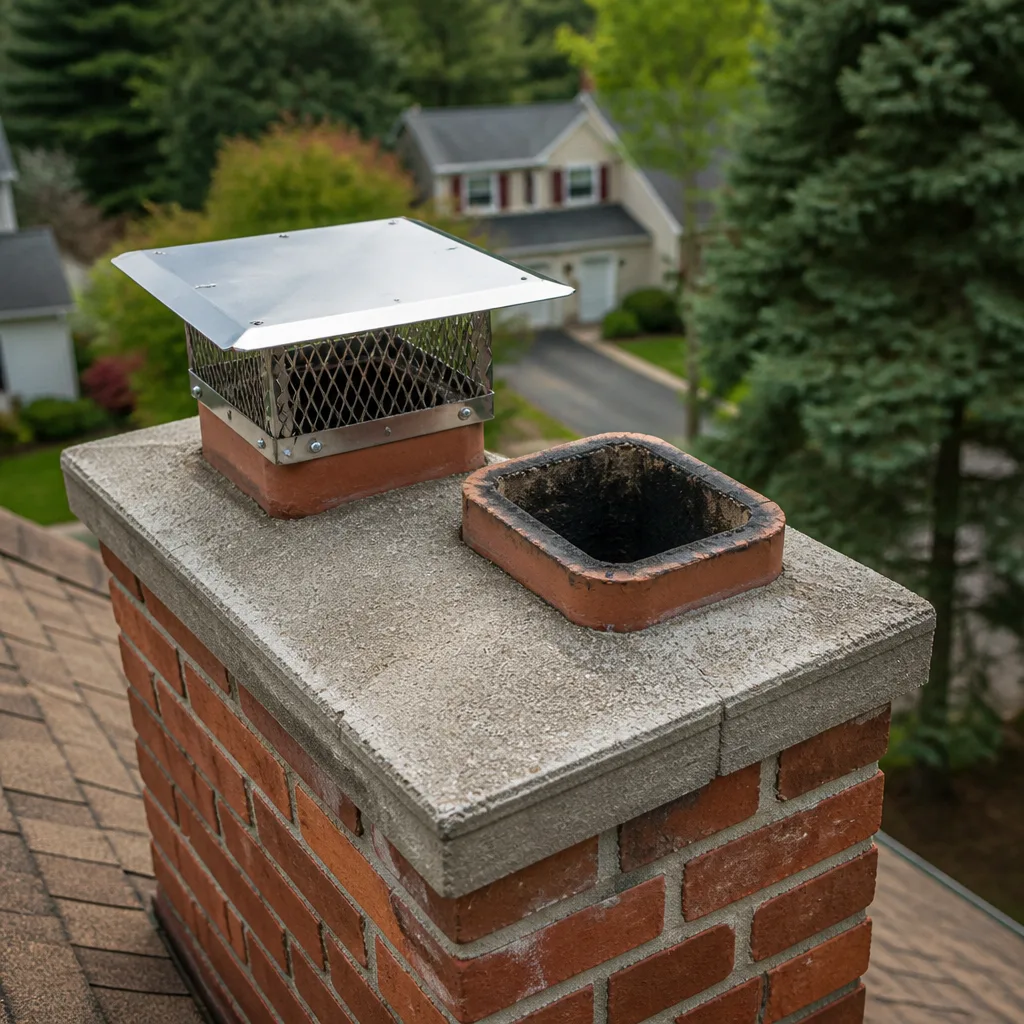 Sweep & inspection
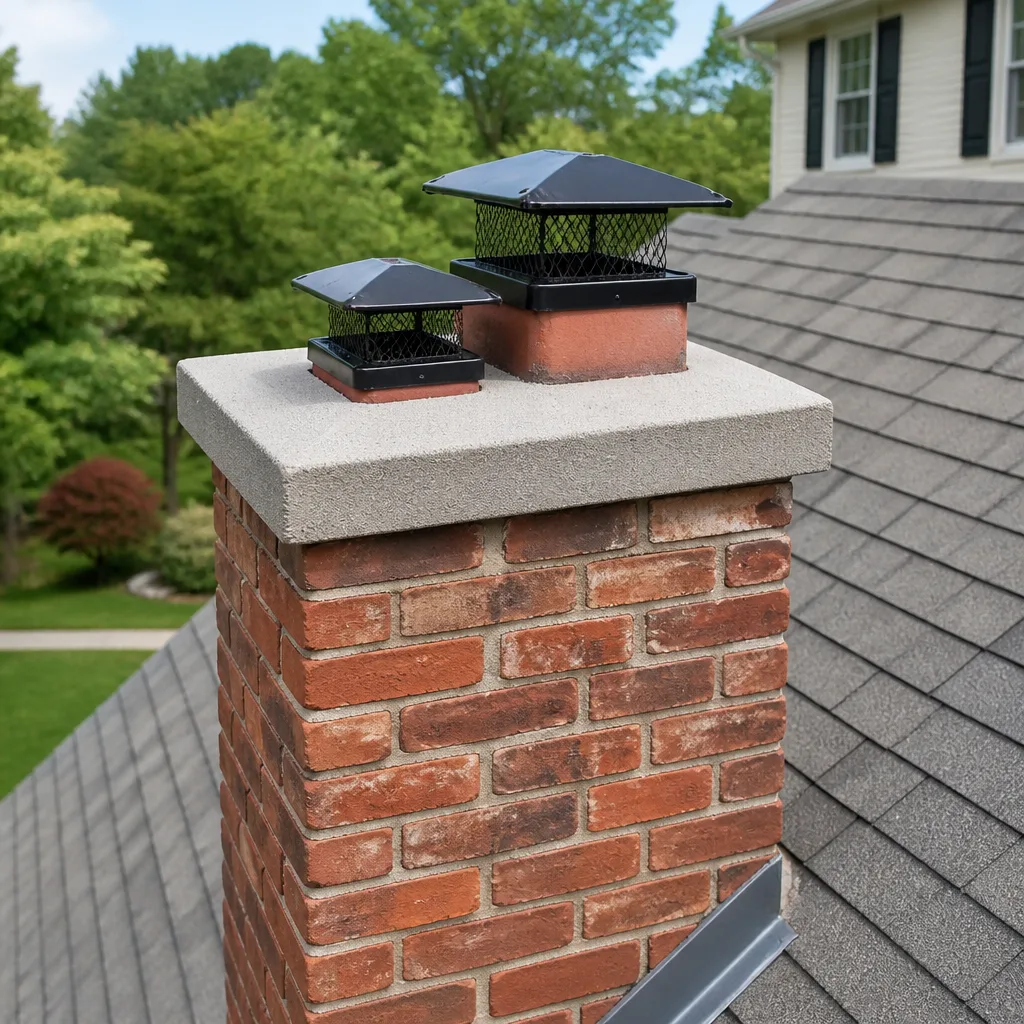 Caps & crowns
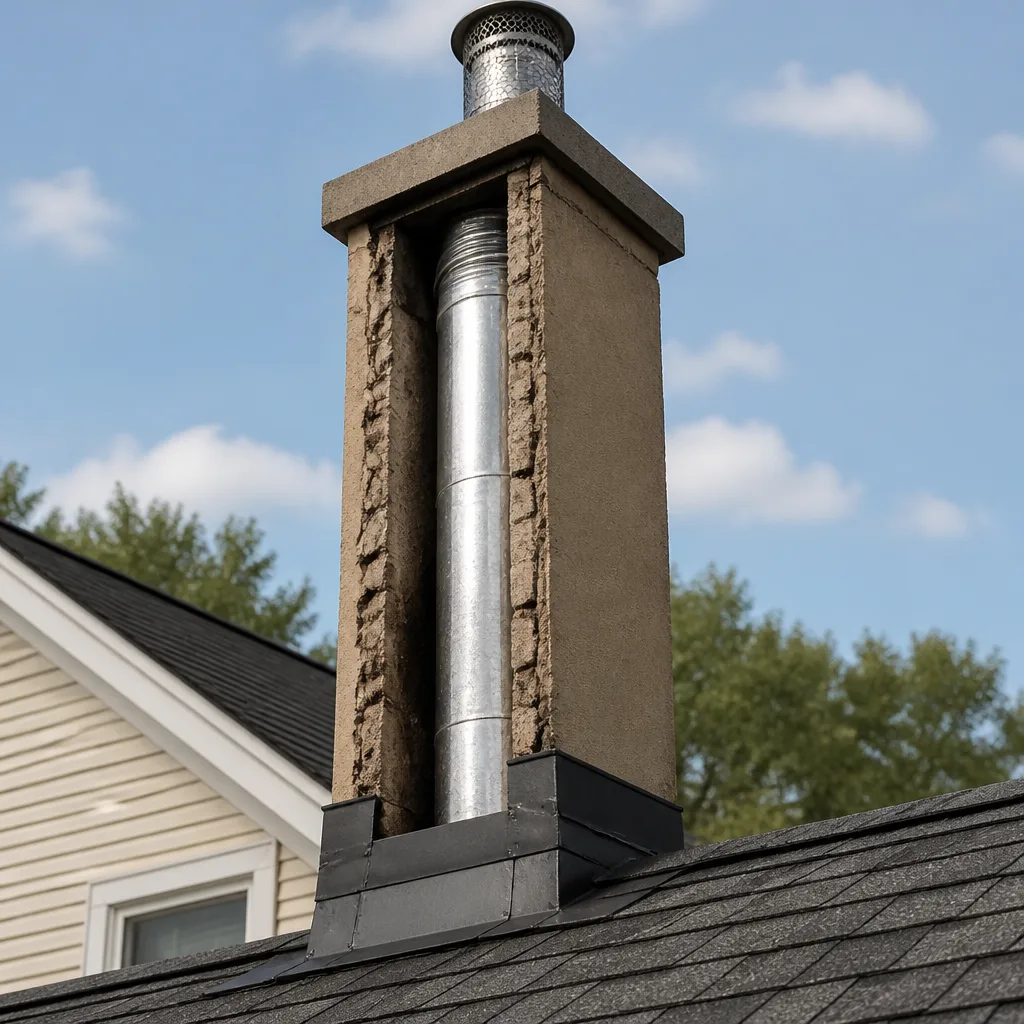 Flue relining
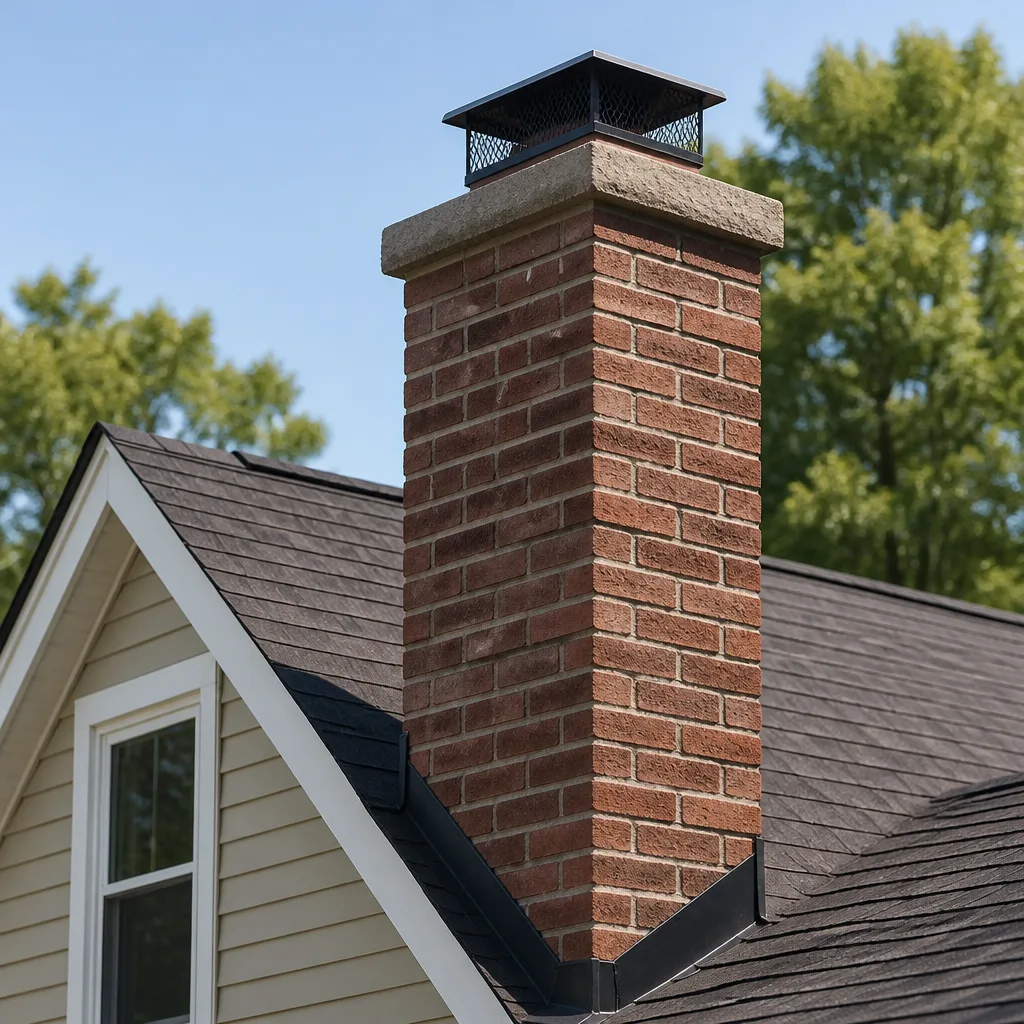 Masonry repair
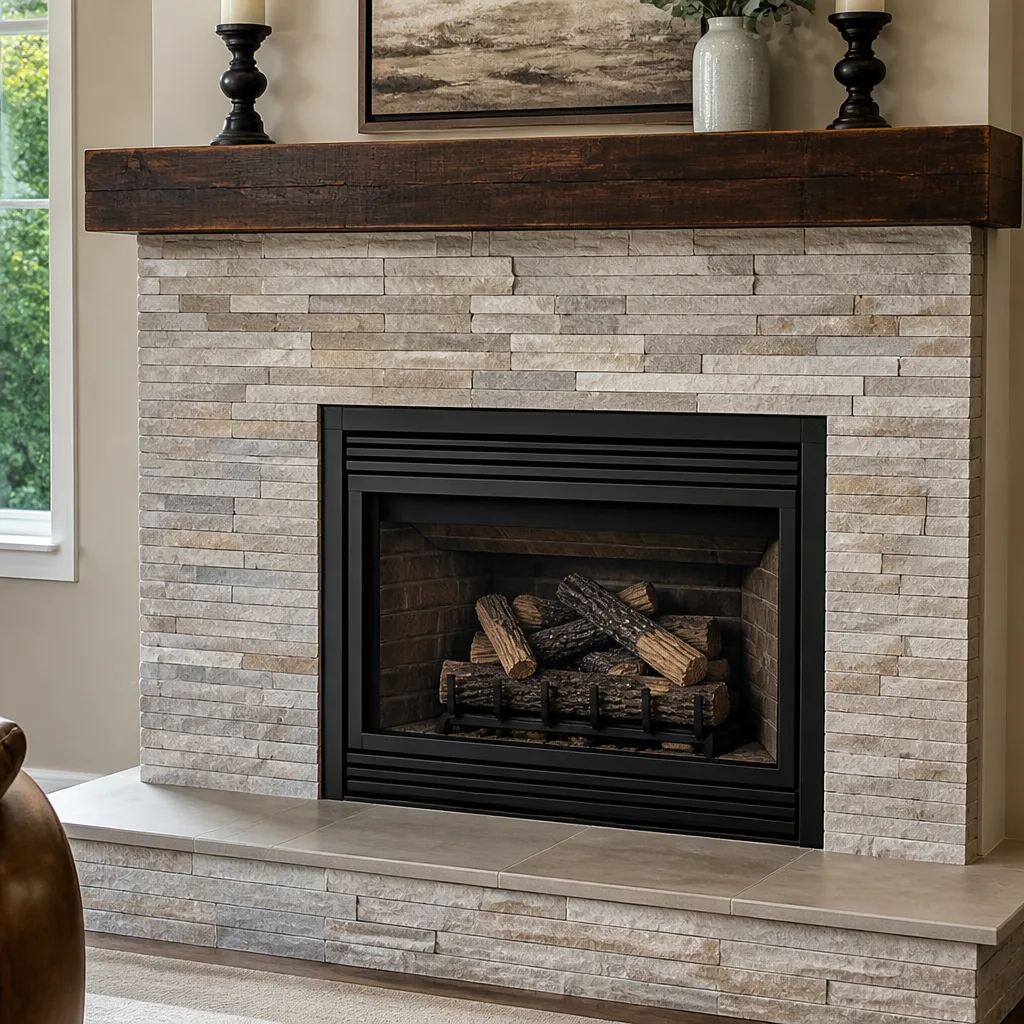 Gas fireplace service
Level 1 sweep and inspection to the NFPA 211 annual standard - flue, crown, cap, and flashing checked and photographed
Chimney sweep logs do not sweep chimneys. They loosen some creosote - which then falls where a brush and vacuum still have to collect it.
Seasonal Chimney Cleaning Care for Stockton: Year-Round Homeowner’s Guide
Most chimney advice you’ll read online was written for a place with four hard seasons and a six-month heating load. Stockton isn’t that place. Here, the burn season is short and intense, the summers are long and hot, and the wet weather arrives exactly when chimneys sit idle and forgotten. That mismatch matters: homeowners who follow the standard “sweep in September” script are often prepping a flue for a season that’s already started. This guide lays out a Stockton-specific calendar for chimney care across all twelve months, so you know what to check, when to clean, and when to leave the chimney alone.
Quick Answer
In Stockton, the right chimney-cleaning rhythm is a full sweep and inspection in late fall before the burn season starts, a mid-season check if you burn through about a cord and a half of wood, and a closure routine in spring that seals the flue and confirms the cap is sound. Summer is for inspecting what the heat did to mortar and the crown, not for cleaning. If you want the short answer: clean before you burn, inspect before you close up, and don’t wait for September.
Styles & brands we work with
- Sweep & inspection
- Caps & crowns
- Flue relining
- Masonry repair
- Gas fireplace service
Table of Contents
- Why Standard Chimney Advice Doesn’t Fit Stockton
- The Compressed Burn Season and What It Does to Creosote
- Fall Preparation: What to Do Before the First Fire
- Summer Heat and Your Chimney: What to Check Before Fall
- Valley Fog, Moisture Intrusion, and the November Problem
- Spring Closure Protocol: Caps, Seals, and Nesting Season
- Deciding on a Mid-Season Cleaning
- Common Mistakes to Avoid
- When to Call a Professional
- Frequently Asked Questions
Why Standard Chimney Advice Doesn’t Fit Stockton
The national recommendation to “schedule your sweep in September” grew out of climates where the heating season runs from October into April. In those places, September is genuinely the calm before the storm. Stockton doesn’t work that way. Our real burn window is short, the shoulder months are warm, and by the time September arrives most homeowners here haven’t lit a fire in months and won’t for a few more weeks. That leaves a gap: the chimney sits untouched through the hottest, driest stretch of the year, and the first fire often happens before anyone has looked at it.
There’s a second mismatch. Standard advice treats the annual sweep as the whole job. For a Stockton chimney, the annual sweep is only one part of a cycle. The heat, the fog, the spring wind, and the nesting birds all do their own work on the system between burns. A chimney here needs attention at more than one point in the year, not once.
We’re chimney-only specialists, so our whole view of a home is the flue, the firebox, the cap, and the crown. What we’ve learned working in Stockton is that the calendar matters as much as the cleaning. A chimney swept in October and left open to the fog in December isn’t in better shape than one that was never touched.
What this guide gives you is a month-by-month way of thinking: when to book the chimney sweep, what to look at yourself in the summer, how to close the system in spring, and how to judge whether a mid-winter cleaning is actually warranted for how much you burn.
The Compressed Burn Season and What It Does to Creosote
Stockton’s burn season is short. For most households, real fireplace use runs from December through February, with a few fires in late November and a few in early March. That’s roughly two to three months of concentrated burning rather than six or seven. The compression is what changes the maintenance math.
Creosote builds up in proportion to how much smoke passes through a cool flue, not simply to how many months the fireplace is “open for business.” A household that burns three or four fires a week through a short, cold stretch can accumulate meaningful buildup faster than a household that burns a fire a week all winter. The fires in a Stockton December tend to be longer and hotter because the evenings actually warrant them, and a hot fire on a flue that hasn’t been checked pushes more smoke through more of the system.
Why the Timing of the Sweep Matters
A sweep done in late November catches the whole previous season’s buildup and clears the flue before the heavy burning starts. A sweep done in September, by contrast, risks being three months stale by the time you’re burning in earnest, especially if anything (a bird, a summer storm, a loose cap) got into the flue in the meantime.
Here’s how to think about the season in practical terms:
- Late November to early December: the ideal window to book a sweep and inspection, before the season’s fires begin in earnest.
- December through February: the burn season itself. Watch for draft changes, unusual smells, or smoke rolling back into the room.
- Late February to early March: the point at which a mid-season cleaning should be considered, depending on how much you’ve burned.
- March through May: spring closure, sealing, and a cap check.
- June through October: the inspection season for heat damage, not the cleaning season.
That sequence is the backbone of the whole year. Everything else in this guide fits around it. If you keep only one thing from this section, keep this: the sweep belongs before the burn season, not at the tail end of summer.
Fall Preparation: What to Do Before the First Fire
Fall in Stockton is a transition, not a deep freeze. October and early November can still be warm, which makes it easy to put off the chimney work until the first genuinely cold evening. By then, everyone in town is trying to book their sweep at once. Getting ahead of that rush is the single biggest scheduling advantage you have.
What Fall Preparation Should Cover
- A full sweep of the flue, firebox, smoke chamber, and any offset or transition area. The sweep is what removes the creosote load from last season.
- An inspection of the flue lining, the mortar joints, the damper, and the cap. A cleaning without an inspection is only half the job, because it tells you the flue is clean but not whether it’s sound.
- A cap check. The cap is what keeps rain, birds, and debris out. A properly sized and sealed Gelco cap is doing real work here, and a loose or rusted one isn’t.
- A damper check. The damper needs to open and close smoothly and seal well enough to keep the chimney closed when it’s not in use.
- A test burn before the first real fire, to confirm draft is working and there’s no smoke rollback into the room.
The inspection is where the important findings show up. In our experience, the flue lining is where most surprise costs live: a cracked clay tile, a gap in the mortar, or a section that’s deteriorated enough to need relining. That’s why we inspect first and recommend honestly, and why nothing on a chimney gets replaced without evidence the homeowner can see. A camera inspection lets you look at the same flue wall the technician is looking at, which removes the guesswork.
If the inspection does find a damaged liner, you have more than one option, and that matters. A full relining with a DuraFlex flexible liner is the standard fix for an irregular or older masonry flue. But not every damaged flue needs a full liner. HeatShield ceramic flue resurfacing can restore a flue that’s still structurally sound, which is often the difference between a repair and a replacement. That option isn’t something a general contractor typically carries, because it requires the specialist materials and the application training to do it right. A chimney-only company keeps both paths open.
Summer Heat and Your Chimney: What to Check Before Fall
Summer in Stockton is hard on a chimney in a way most homeowners don’t consider. The masonry and the crown expand and contract through long stretches of triple-digit heat, and the sun beats down on the top of the chimney all day. The result is that the mortar joints and the crown sealant are the first things to fail, and they fail quietly, in the months when no one is looking up there.
The good news is that summer is the ideal time to check. The chimney is idle, the weather is dry, and any repair you discover can be done well before the burn season starts. The bad news is that heat damage rarely announces itself. There’s no smell, no smoke, no noise. You have to look.
What Summer Checking Actually Involves
- Look at the crown from the ground with binoculars. Cracks in the crown, missing chunks, or a crown pulling away from the flue are all visible from below.
- Check the mortar joints at the top of the chimney stack, where the sun and heat hit first. Crumbling or receding mortar at the crown line is the earliest sign.
- Check the cap. A cap that’s been baked by the sun for a full summer may have cracked, loosened, or begun to rust at the fasteners.
- Look for staining on the exterior of the chimney or on the ceiling near the flue. Staining in summer is almost always a sign of a moisture path that opened during the wet season.
- Look at the flashing where the chimney meets the roof. Summer is the time to catch a flashing problem, not the middle of a December rain.
The crown and mortar joints are the chimney’s first line of defense against water, and in a hot, dry climate they take more abuse than you’d expect. Heat expansion opens hairline cracks in the crown sealant that wouldn’t form in a cooler place. Those cracks are invisible until the first fall rain finds them. Catching them in July is cheap. Catching them after a winter of water intrusion is not.
If the crown or mortar does need repair, that’s a chimney repair job best done in the summer window. Doing it in the fall means competing for scheduling time with everyone else, and doing it in the rain isn’t an option. Summer repair also means the repair has months to cure and settle before the fireplace is lit again.
Valley Fog, Moisture Intrusion, and the November Problem
Stockton gets fog. Thick, persistent, valley fog that settles in through November and December and stays put for days at a time. Most chimney advice doesn’t mention fog at all, because most chimney advice is written for places that get snow and clear cold air. Fog is a different kind of moisture problem, and it matters here.
Fog is airborne water that finds every opening. A chimney that wasn’t properly closed at the end of the previous season, with an open damper or a missing or loose cap, gives the fog an easy path into the flue. Once inside, the moisture condenses on the cool flue walls and stays there. Over a foggy November, that can mean a flue that’s damp for weeks before the first fire.
Damp flues cause problems that show up months later. Moisture combined with leftover creosote produces the sour smell many homeowners notice on the first cool evening of the year. It also accelerates deterioration of the mortar and the flue lining. And a damp flue is harder to get a good draft going in, which is one reason the first fire of the season sometimes smokes.
The November and December Checklist
- Confirm the damper is fully closed when the fireplace isn’t in use. A partially open damper is an open door for fog.
- Confirm the cap is sized and sealed correctly. A proper cap covers the flue opening without blocking it entirely. A loose cap or an undersized one leaves a gap.
- Smell the firebox on a cool evening before the first fire. A strong creosote or soot smell is a sign the flue is carrying old residue and may need cleaning before the season, not after.
- Look for moisture on the damper or at the smoke chamber after a foggy stretch. Visible moisture is a sign the cap or damper needs attention.
This is one of the places where a proper Gelco cap earns its keep. A cap that’s sized to the flue and sealed correctly does two jobs at once: it keeps rain and fog out, and it keeps birds and debris from getting in. It’s a small piece of the chimney and one of the most consequential.
Spring Closure Protocol: Caps, Seals, and Nesting Season
Spring is when a Stockton chimney gets put away for the year, and how you put it away determines what you find in the fall. Two things make spring closure more important here than in most places: the wind and the birds.
Spring in the Valley brings wind. Steady, dry wind that finds every loose cap, every gap in the flashing, and every opening the winter left behind. A cap that was fine in February can be loose by April. A damper left cracked open for air can be a wind-driven dust path into the house. The chimney that’s properly closed in spring is a chimney that won’t need an emergency look in May.
Spring is also nesting season. Birds look for a warm, sheltered, vertical cavity, and an uncapped flue is exactly that. Once a nest is established in a flue, it becomes a fire hazard and a draft blocker, and it can’t just be left there. A properly fitted cap prevents the problem entirely, which is why we treat cap sizing as part of the closure routine rather than an afterthought.
The Spring Closure Steps
- Do a final sweep or confirm the season’s cleaning is done. Don’t close up a flue with a full season’s creosote in it. Residue left over the summer attracts moisture and produces odor.
- Close the damper fully and confirm it seats. A damper that won’t close is a cap-and-damper repair, not something to leave for fall.
- Confirm the cap is snug and sealed. Check the fasteners and the seal. Have a loose or damaged cap replaced, not “tightened for now.”
- Check the flashing at the roofline while the weather is still dry enough to make a repair easy.
- Note anything that needs summer attention and put it on the summer list: crown cracks, mortar joints, a section of flue to inspect.
- Close the firebox from the room side if you have glass doors, to keep the summer heat and dust out and the conditioned air in.
One more spring task that doesn’t get enough attention: the smoke chamber and the firebox liner. The firebox takes the direct heat of every fire, and small cracks in the firebox brick or the refractory mortar can widen over a summer of hot, dry air. Spring is the time to note them. Summer is the time to repair them. Leaving them until the first cold snap is how a small repair becomes a larger one.
Deciding on a Mid-Season Cleaning
Most homeowners want a simple rule, and the industry’s usual answer (“clean when there’s a quarter-inch of creosote”) is hard to apply because most people can’t see the inside of their own flue. What we can offer is a more practical benchmark: burn volume.
If you burn through roughly a cord and a half of wood over the season, a mid-season cleaning check is worth scheduling. A cord and a half in a Stockton season is meaningful use: three or four fires a week across December, January, and February, with some longer burns on the coldest nights. Below that, a single late-fall sweep is usually enough. Above it, especially if you’re burning two cords or more, a mid-season look is worth having.
There’s a second, softer signal. If you notice any of the following during the season, the volume benchmark matters less than the symptom:
- Draft that’s weaker than it was at the start of the season
- Smoke that rolls back into the room when you open the damper or the door
- A stronger smell from the firebox when the fireplace is cold
- Visible soot or creosote flaking at the damper or the smoke chamber
- A fire that’s noticeably harder to get going than it was in December
Any of those are reasons to have the flue looked at mid-season, regardless of how much wood you’ve burned. None of them are emergencies on their own, but together they point to a flue that’s loaded or restricted, and it’s better to catch that in January than February.
A mid-season cleaning is a straightforward job. The flue is hot and dry, the creosote is fresh, and cleanup is quick. What it isn’t is a substitute for the fall inspection. The mid-season cleaning addresses the buildup. The inspection is what catches the crack in the flue tile, the loose cap, or the failing mortar. They’re different jobs, and a good chimney company does both.
Common Mistakes to Avoid
- Following the September rule. The national advice to sweep in September assumes a six-month heating season. In Stockton, September is too early for some households and already too late for others. Book for late November instead.
- Skipping the inspection because the chimney “seems fine.” A clean flue can still have a cracked liner or a failing crown. Cleaning without inspecting tells you the flue is clean, not that it’s safe.
- Leaving the flue open over the summer. An open damper or a missing cap invites Valley fog, birds, and debris. Close it in spring and confirm the cap is sound.
- Putting off the crown and mortar check until fall. The heat of summer is when those cracks form. Check in June or July, repair in the summer, and you’ll have a dry flue by the time the first rain comes.
- Burning without a mid-season look when you burn heavily. If you’re going through a cord and a half or more, a January or February check is worth scheduling, not a luxury.
- Assuming an off-brand cap or liner is “good enough.” Caps and liners are sized and specified for a reason. A cap that doesn’t fit properly lets in exactly what it was supposed to keep out.
- Putting off a repair because the chimney “still draws.” Draft is not a safety test. A flue can draw fine and still have a damaged liner or a heat-compromised crown. The inspection is the safety test.
When to Call a Professional
Some chimney work belongs in the hands of a trained technician, and it’s worth knowing where that line sits. Call a professional if you see smoke rolling back into the room, if the firebox or flue smells strongly of creosote when the fireplace is cold, if you can see cracks in the firebox brick, or if there’s staining on the ceiling or the chimney exterior. Call if a bird or animal has gotten into the flue, if the cap is damaged or missing, or if it’s simply been more than a year since the last sweep. Most importantly, call before you light the first fire of a season you haven’t had inspected. High-tension springs and cables, electrical work at the fireplace, and any gas line connection are not do-it-yourself territory: those involve serious injury risk and belong with a licensed trade professional.
Stockton Chimney Sweep offers free estimates in Stockton. Call (877) 516-9568. We answer 24/7. Fast dispatch from 7am to 7pm, Sunday through Friday, and we’re closed Saturday.
Frequently Asked Questions
Once a year is the baseline for most Stockton households, scheduled in late November before the burn season starts. If you burn a cord and a half of wood or more, add a mid-season look in January or February. Households that burn very little may go longer between sweeps, but an annual inspection still matters because the flue lining and crown can fail even when the fireplace isn’t used heavily.
Fall, before the burn season, is the better time to sweep in Stockton. A spring sweep clears the season’s residue, but the flue then sits closed for months, which is when fog, birds, and heat damage do their work. Late November catches the previous season’s buildup and clears it before the heavy burning starts, so the flue is clean when it matters most. Call (877) 516-9568 for a free estimate and we’ll book the right window.
Pricing is set per job by a written estimate after we’ve looked at your chimney, because the cost depends on the flue’s condition, the type of fireplace, and whether the inspection turns up anything that needs repair. There’s no service-call fee and the estimate is free. Call (877) 516-9568 for an exact quote.
Not always. A damaged flue can often be restored with HeatShield ceramic resurfacing rather than fully relined, and that’s a decision that should be made on the evidence of a camera inspection, not on a general impression. When a full liner is the right answer, DuraFlex flexible liners are the standard for masonry and factory-built flues without destructive masonry work. Either way, you see the evidence before we recommend anything. Call (877) 516-9568 for a free estimate.
Creosote builds up in the flue, and a heavy load of creosote is the fuel a chimney fire needs. Skipping the sweep also means skipping the inspection, which is how a cracked liner or a failing crown goes unnoticed. Nothing may happen for a year or two, and then it does. The sweep is cheaper than the repair either way. Call (877) 516-9568 for a free estimate.
Light surface cleaning of the firebox and the visible smoke chamber is within reach for a careful homeowner, but the flue itself is a different matter, and it’s where the risk and the judgment sit. The flue lining has to be inspected by camera to know whether it’s safe, and a damaged liner isn’t something to inspect or judge from the fireplace opening. A professional sweep plus inspection is the safer and more complete answer, and it’s the one we recommend.
The Bottom Line
Stockton’s chimney care rhythm doesn’t match the national script, and that’s the whole point. The burn season here is short and concentrated, so the sweep belongs in late November, not September. Summer heat quietly opens cracks in the crown and the mortar joints, which is why June and July are for looking and repairing, not for cleaning. Valley fog in November and December finds every open damper and every loose cap, so a sound Gelco cap and a closed damper are doing real work. Spring closure is the year’s most underrated task, because caps and birds and wind all matter more here than the standard advice admits. And if you burn through a cord and a half of wood, a mid-season look is worth scheduling. The annual sweep, the honest inspection, and the right liner for your flue, done in the right season, are what keep a chimney safe and dry year after year.
As Stockton Chimney Sweep, we work with professional-grade products every job: DuraFlex flexible liners, HeatShield ceramic restoration, Gelco caps, and Olympia Chimney components. Our technicians have up to 13 years of experience, and we inspect first and recommend honestly, because nothing on a chimney should be replaced without evidence you can see. Inspection, cleaning, and repair are handled under one roof, so there are no subcontractor gaps between the phases of your chimney work.
Call (877) 516-9568 for a free estimate. We answer 24/7. Fast dispatch from 7am to 7pm, Sunday through Friday, and we’re closed Saturday. A call outside dispatch hours is booked into the next opening.
Written by the team at Stockton Chimney Sweep.
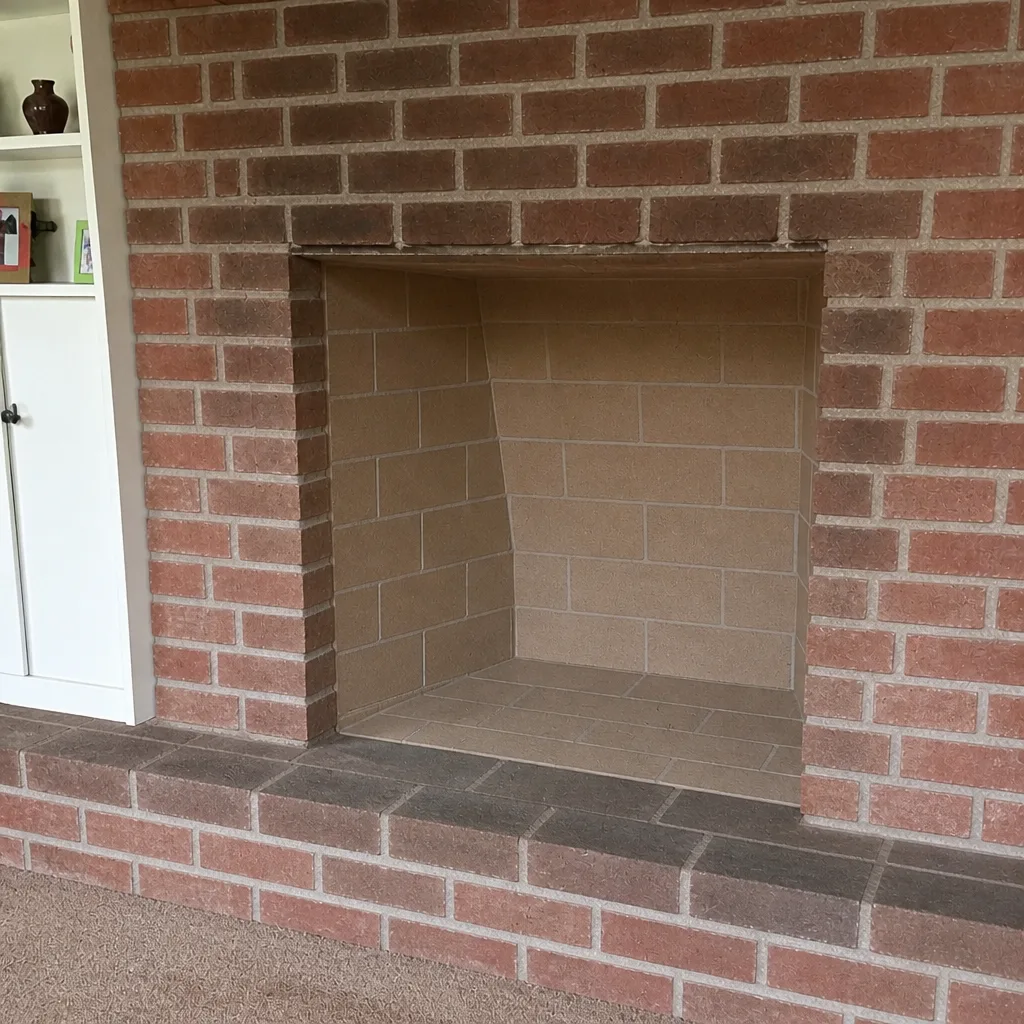
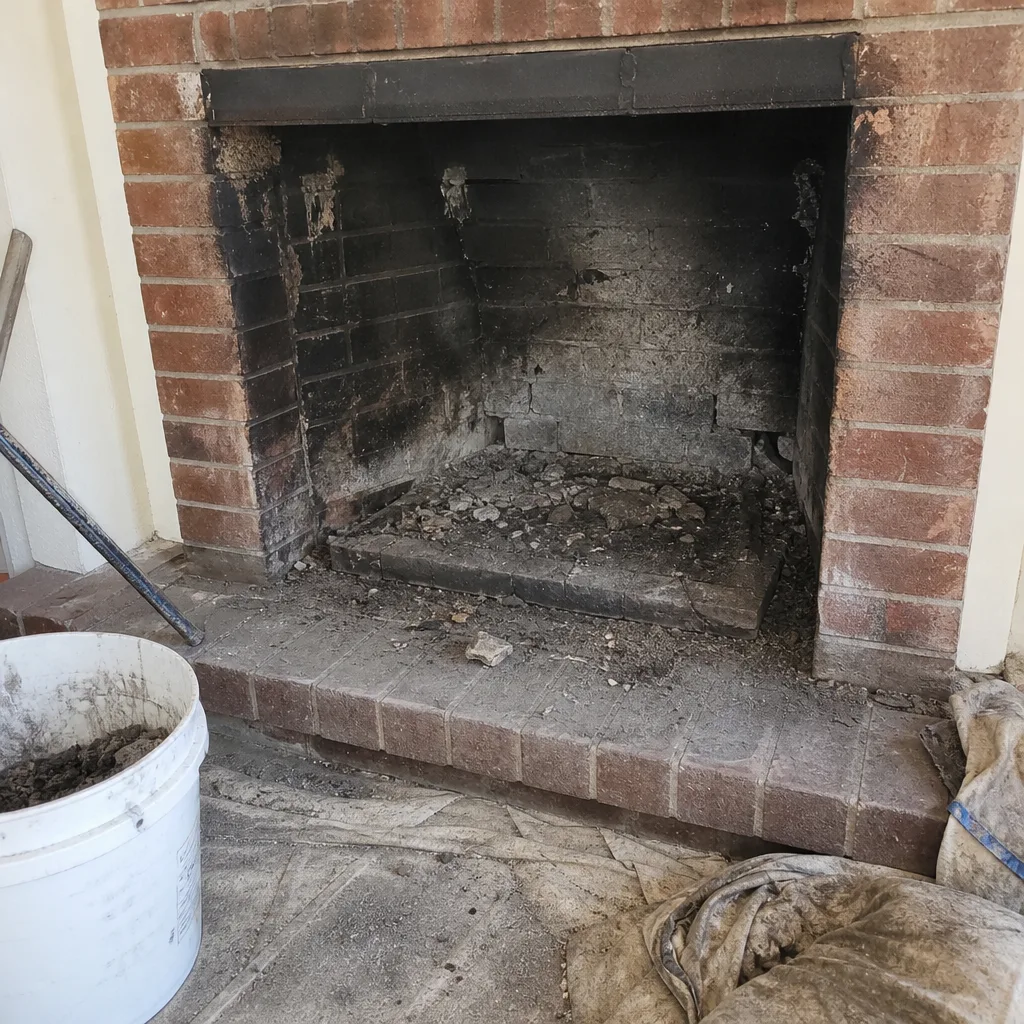
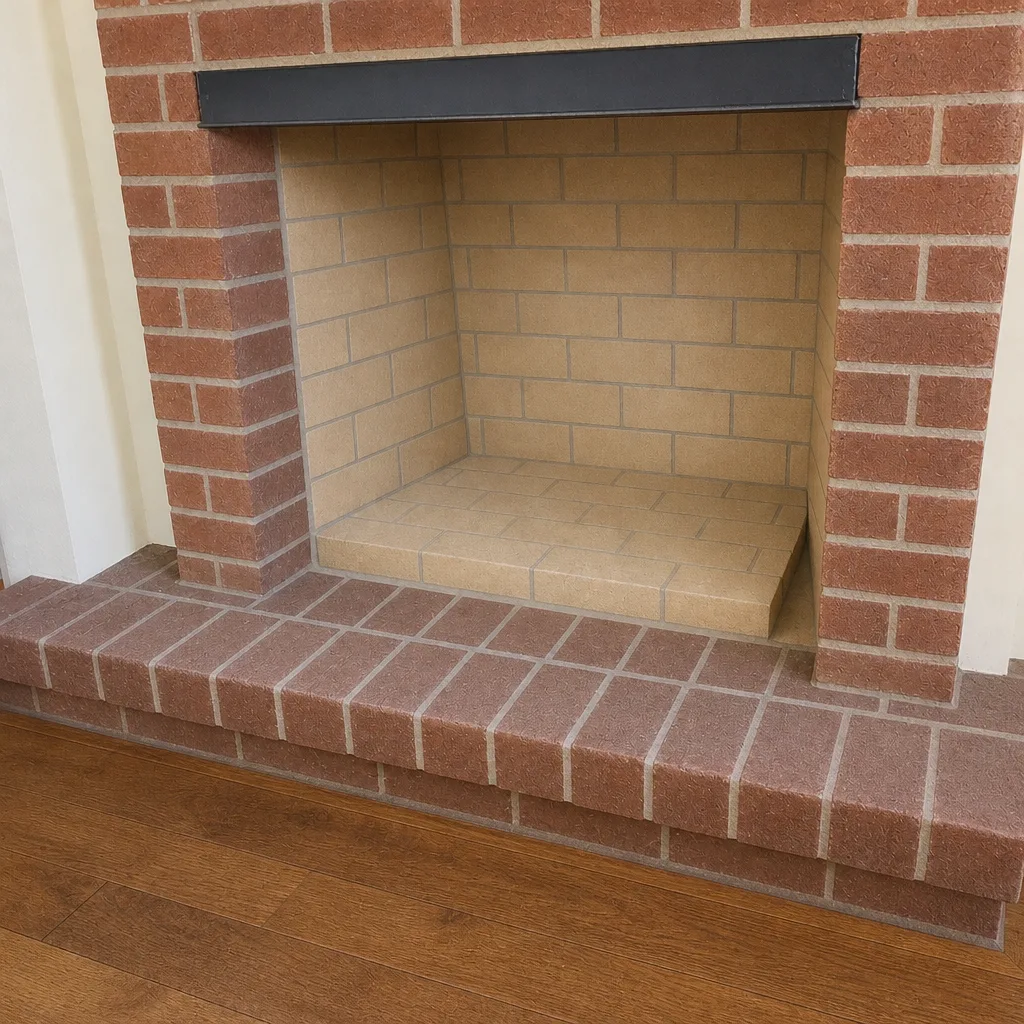
See the difference
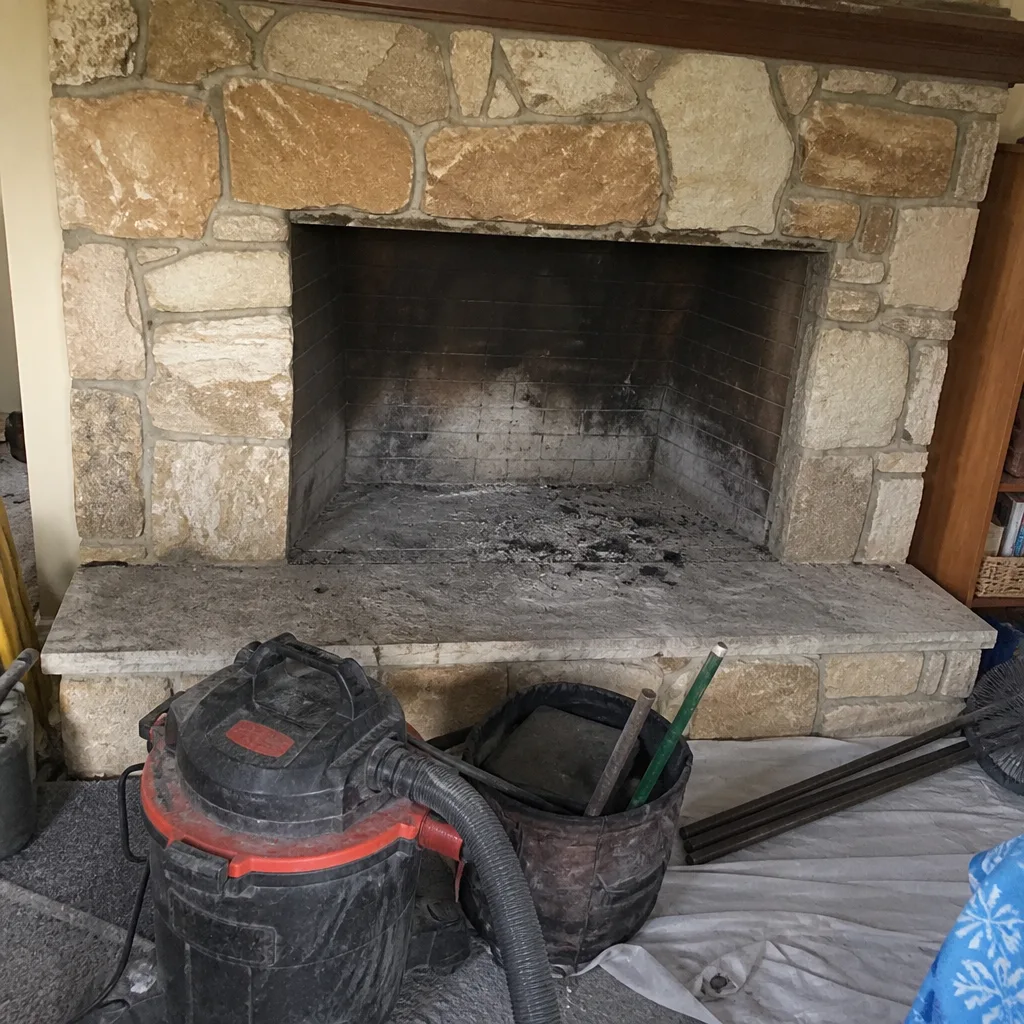 Before
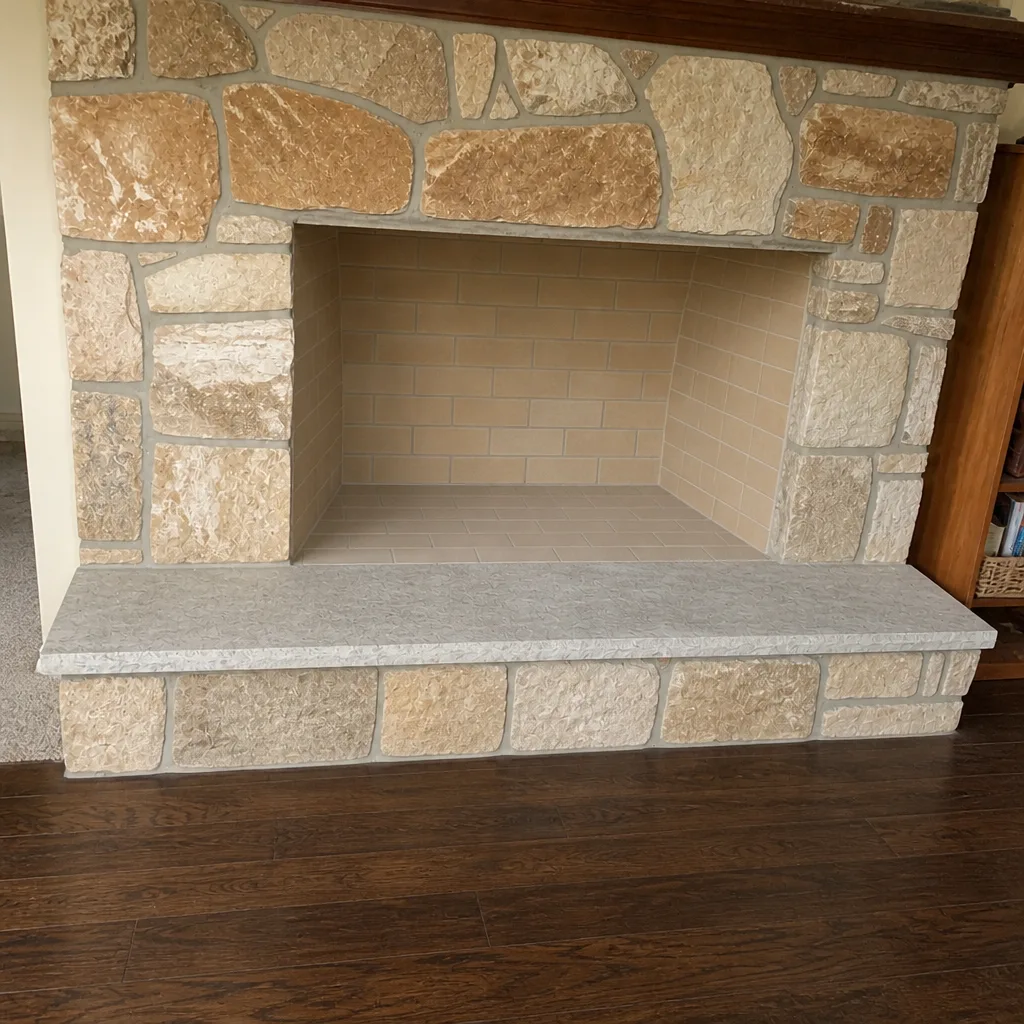 After
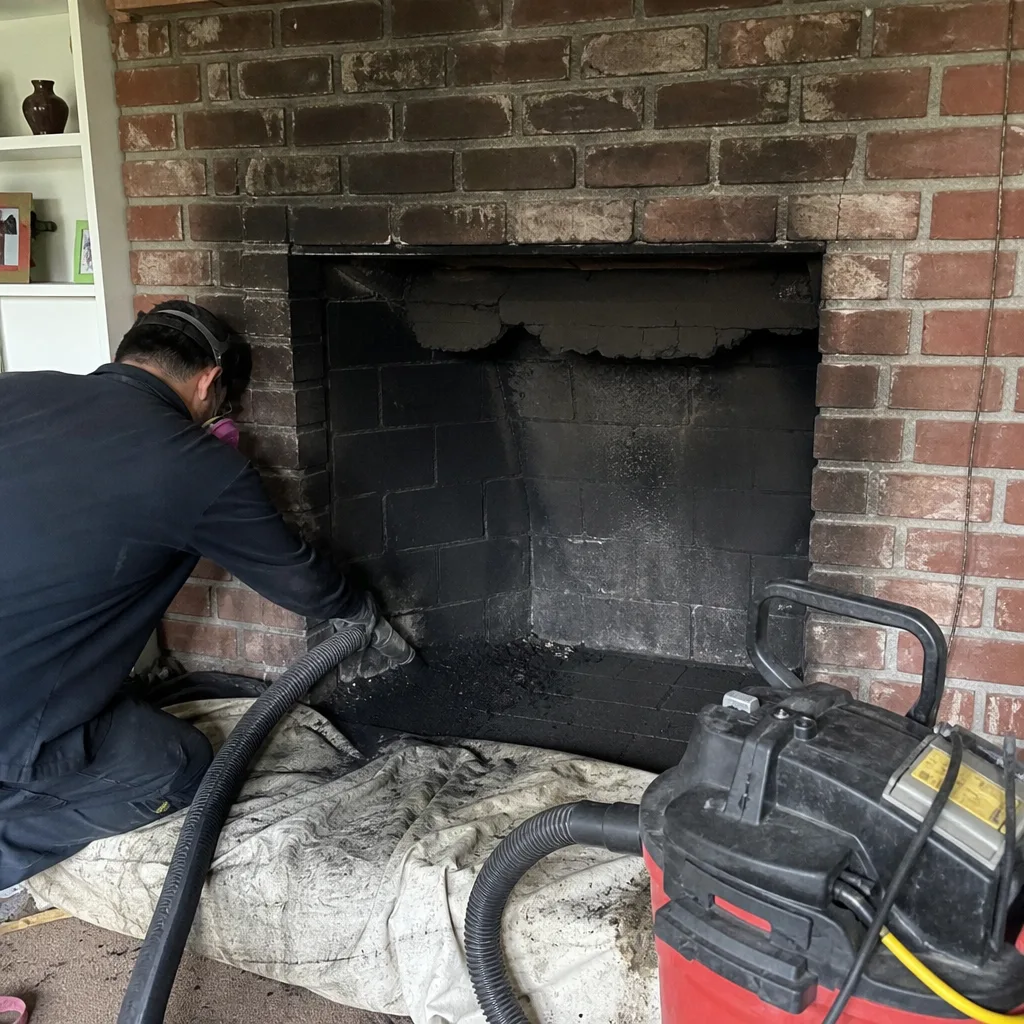 Before
 After
 Before
 After