
Last updated November 16, 2026
 Sweep & inspection
 Caps & crowns
 Flue relining
 Masonry repair
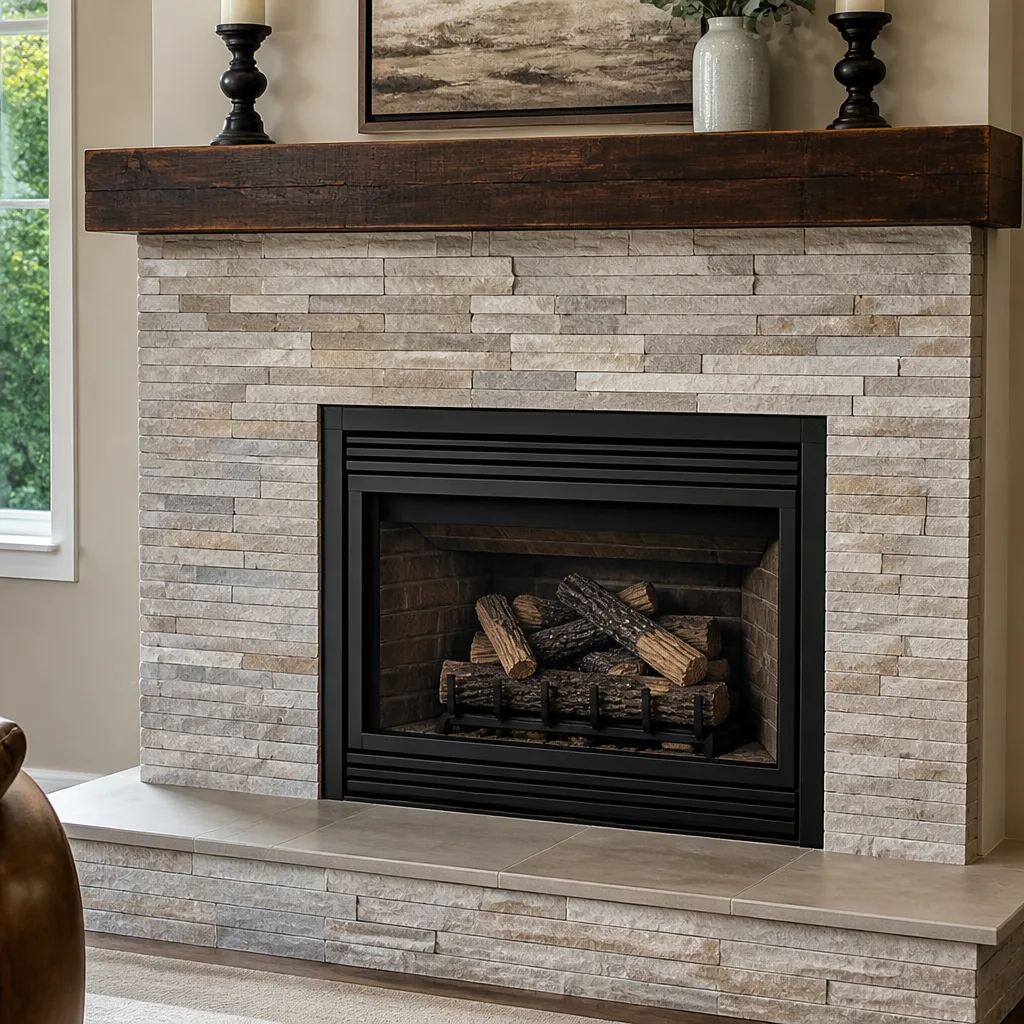 Gas fireplace service
Level 1 sweep and inspection to the NFPA 211 annual standard - flue, crown, cap, and flashing checked and photographed
Chimney sweep logs do not sweep chimneys. They loosen some creosote - which then falls where a brush and vacuum still have to collect it.
How to Hire a Chimney Cleaning Contractor in Stockton: A Step-by-Step Guide
In California, anyone with a truck and a brush set can legally call themselves a chimney sweep. There is no state chimney sweeping license. That fact should change how you ask your first question. Most homeowners hire on price and a friendly phone manner, then discover months later that the “cleaning” never reached the smoke chamber or that the cracked flue tile everyone missed is now a bigger repair. What separates a real chimney specialist from a generalist with a brush is not a slogan on a website; it’s the equipment they own, the documentation they leave behind, and how they answer specific technical questions. This guide gives Stockton homeowners a question-based interview process you can use before you book anyone.
Quick Answer
Hire a chimney contractor in Stockton by verifying CSIA certification first, then asking equipment questions (rotary system, camera capability, vacuum rating), then requesting a written scope of work with a post-sweep report. Compare quotes on scope, not price per cleaning. Ask for local references you can actually reach. A legitimate specialist will welcome all of these questions; a generalist padding a service menu usually won’t.
Styles & brands we work with
- Sweep & inspection
- Caps & crowns
- Flue relining
- Masonry repair
- Gas fireplace service
Table of Contents
- Why CSIA Certification Is the Floor, Not the Ceiling
- Equipment Questions That Reveal a Specialist
- Stockton-Specific Red Flags to Watch For
- How to Compare Quotes on Scope, Not Price
- What a Legitimate Sweep Report Should Contain
- Code, Permits, and What Stockton Actually Requires
- Why Stockton’s Climate Shapes When to Book
Why CSIA Certification Is the Floor, Not the Ceiling
CSIA certification is the minimum you should accept, not the finish line. The Chimney Safety Institute of America credential means a technician passed a knowledge exam and committed to a code of ethics. It does not tell you whether that technician can diagnose a spalling flue or size a liner for a 1920s bungalow near the Miracle Mile. Use the certification as your entry filter, then interview past it.
Here’s what to ask after you confirm the certification:
- “How many years has the technician coming to my house actually worked on chimneys?” Certification is company-level in some cases. Ask who’s showing up.
- “Do you do chimney work as your only trade, or is it one of several services?” A company that also does HVAC, gutters, and roofing is spreading expertise thin.
- “What’s the last continuing education course your technicians completed?” The industry changes. NFPA 211 updates, liner technology, and venting standards evolve.
- “Can you walk me through what a level 2 inspection includes?” A certified technician should answer without hesitation: video scan of the flue, accessible attic and crawlspace checks, clearance verification.
In our experience, the technicians who answer these questions cleanly are the same ones who show up with the right tools. The ones who get vague or defensive around question two are usually generalists. Stockton homeowners with older housing stock – and there’s plenty of it – need the specialist every time. Our technicians have up to 13 years of experience and work exclusively in this trade, so the conversation is different from the start.
Equipment Questions That Reveal a Specialist
Equipment is the fastest way to separate a chimney specialist from a generalist. Ask these four questions on the phone, before anyone shows up. The answers are hard to fake because a generalist usually doesn’t own the gear.
1. “Do you use a rotary system or a basic brush?”
A rotary system uses a spinning whip or chain to remove glazed creosote and heavy soot. A basic brush only loosens surface deposits. Glazed creosote – the shiny, hardened third-degree buildup that causes most chimney fires – will not come off with a brush alone. Ask specifically whether they carry rotary equipment and how they handle glazed creosote.
2. “Do you have a chimney camera for video inspection?”
A camera scan is required for a Level 2 inspection and it’s how a real specialist finds cracked flue tiles, gaps in liner joints, and offset blockages. If a contractor says “we’ll just look down from the top,” you’re talking to someone without inspection capability.
3. “What’s the CFM rating on your vacuum?”
Chimney vacuums are rated in cubic feet per minute. A HEPA-rated unit in the 1,500-2,000 CFM range handles a residential flue with minimal dust escape. Cheaper shop vacuums don’t. Ask directly. A specialist knows their number.
4. “What liner brands do you install?”
A specialist names specific professional-tier products. DuraFlex flexible liners are the industry standard for relining irregular flues without masonry demolition. HeatShield ceramic restoration is a code-compliant alternative to full relining for flues that don’t need replacement. Olympia Chimney and Famco components come up in venting work. If the answer is “whatever the supply house has,” that’s not a specialist answer.
- Rotary system: yes or no
- Video camera: yes or no
- HEPA vacuum CFM rating: a specific number
- Named professional liner brands: DuraFlex, HeatShield, Olympia, Famco, or similar
Any contractor who clears all four is running a professional operation. If they stumble on two or more, keep looking. This is the single most useful screening step in the whole hiring process.
Stockton-Specific Red Flags to Watch For
Stockton’s chimney market has a specific problem: out-of-area companies running geo-targeted ads with no local references, no repeat customers, and no accountability once the job is done. Google will happily show you a map pin with a Stockton address that resolves to a PO box. The company name might include “Stockton” without ever having worked here. These aren’t hypothetical concerns – they’re the pattern to screen for.
Watch for these red flags:
- No physical local references. When you ask for two customers in Stockton you can call, and they can only give you a corporate number or an online review page, that’s a warning. A local specialist has repeat customers in the neighborhoods around you.
- Area-code mismatch on the phone number. Not conclusive on its own, but combined with the reference question, it tells a story.
- No visible certification number or verifiable CSIA listing. The CSIA publishes a searchable directory. Check it.
- Pricing quoted by “cleaning” without a scope. A real quote describes what will be cleaned (firebox, smoke chamber, flue, damper), what will be inspected, and what will be documented. A price for “a cleaning” tells you nothing.
- Pressure to approve liner work on the spot. If a technician you’ve never met finds a problem you can’t see and needs an answer right now, that’s a red flag. You’re entitled to the camera footage and time to think.
- Availability that doesn’t fit the industry. Chimney work is booked work. A company that promises immediate dispatch at any hour is selling speed, not skill.
- No written report after the sweep. The report is the product. If they don’t leave one, they didn’t really inspect anything.
In our experience, the generalist who seems cheapest is often the one who leaves a mess and a vague verbal summary. The specialist costs a little more but leaves a documented scope of work and a written recommendation you can act on later if you want to. That’s the transaction that matters.
How to Compare Quotes on Scope, Not Price
Comparing quotes by price per cleaning is a mistake. Two quotes for $150 and $250 can represent wildly different amounts of work. The $150 quote may cover a basic brush pass and nothing else; the $250 quote may include rotary creosote removal, a Level 2 camera inspection, and a written report. You are not buying a “cleaning.” You’re buying a scope of work.
Structure your comparison around these rows. Ask every contractor for a written quote that addresses each one:
- Firebox cleaning: included or not?
- Smoke chamber: included or not? (This is where most creosote hides.)
- Flue cleaning: brush only or rotary system?
- Level of inspection: Level 1 (visual), Level 2 (camera scan), or none stated?
- Video scan included: yes, no, or extra charge?
- Written report after: yes or no?
- Creosote degree assessment: stated or not?
- Photos or video footage provided: yes or no?
- Recommendations in writing: yes or no?
- Pricing structure: flat price per scope or hourly?
A quote that checks all ten boxes tells you exactly what you’re getting. A quote that only says “sweep – $175” tells you nothing about whether the smoke chamber gets touched. Compare the boxes, not the bottom line. When the scope is equal, then the price is the tiebreaker.
For a broader overview of our Stockton Chimney Sweep services, you can see the full scope of what we handle. If you’re ready to book, our chimney sweep page covers the process in more detail.
What a Legitimate Sweep Report Should Contain
A legitimate sweep report is a written document, delivered after the job, that describes what was found, what was cleaned, and what needs attention. It’s the difference between a service and an inspection that leaves a paper trail. If a contractor doesn’t leave a written report, that absence is itself a warning sign – especially when a chimney fire or a carbon monoxide concern is on the line later.
Here’s what a proper report includes:
- Date of service and technician name. Basic accountability.
- Level of inspection performed. Level 1, Level 2, or Level 3, clearly stated.
- Creosote assessment. The degree of creosote buildup found (stage 1, 2, or 3) with a description.
- Flue condition findings. Cracks, gaps, spalling, offset tiles, missing mortar joints.
- Appliance and venting details. What type of fireplace or stove, what venting setup.
- Clearances and blockages. Anything found blocked or improperly clearanced.
- Photographic or video documentation. Stills or footage of the flue interior, ideally with the problem areas called out.
- Written recommendations. What needs to happen next, with rough scope – not just a price.
If a recommendation includes liner work, insist on seeing the camera evidence first. A cracked flue tile or a failed joint should be visible in the footage. If it can’t be shown, ask why. Any contractor who recommends a repair without demonstrating the problem on camera is asking you to trust a verbal report you can’t verify.
Fair warning about the other direction, too: some recommendations can safely wait. If the report says “stage 2 creosote, re-inspect next season,” you don’t need to act today. If it says “stage 3 glazed creosote with visible cracking,” don’t put it off. A specialist will tell you which category you’re in and say plainly when work can wait.
Code, Permits, and What Stockton Actually Requires
Chimney work in Stockton falls under local building department rules that vary by scope. A basic cleaning typically doesn’t require a permit. A relining, a masonry repair to the firebox, or a flue rebuild often does. Don’t take a contractor’s word for it that “no permit is needed” – verify with the City of Stockton’s building department before work begins on anything structural or code-facing.
Ask the contractor directly:
- “Will this job require a permit? If so, will you pull it?”
- “Which code standard does this repair comply with?” The national reference is NFPA 211, and it’s the standard most local jurisdictions build from. A specialist will name it without blinking.
- “Will the work be inspected before it’s considered complete?”
Relining is where code matters most. DuraFlex flexible liners are designed for a clean, code-compliant installation in masonry and factory-built fireplaces without tearing out the existing masonry. HeatShield ceramic restoration is a code-compliant repair for flues where the clay tile is intact enough to restore but the inner surface is failing. Both approaches exist to bring an older flue back into code without unnecessary demolition. That’s why the brand question matters: a contractor who doesn’t carry these products only has one path – replace it all.
We see this in Stockton homes across a wide range of ages. A flue that could have been restored with HeatShield ceramic resurfacing gets torn out and replaced because the contractor only stocks one option. Ask what options exist before you accept a full reline. Our chimney repair page walks through how we approach these decisions with actual camera evidence.
Why Stockton’s Climate Shapes When to Book
Stockton’s mild winters mean chimney work isn’t seasonally forced the way it is in colder climates. You don’t have a hard freeze deadline. But the mild climate creates a different kind of urgency: creosote and debris sit undisturbed for longer, and the valley’s warm, dry months are when most homeowners actually think about their chimneys.
Book before the burning season starts. If you burn wood regularly, an annual sweep before you light the first fire of the year catches creosote accumulation and any summer damage – animal intrusion, cracked tile, water penetration – while there’s time to schedule a repair. Peak demand falls in the fall months, so the earliest slots book first.
What the mild climate doesn’t do is protect a chimney from neglect. Creosote buildup is a function of what you burn and how you burn it, not of the weather outside. A Stockton homeowner burning seasoned hardwood at moderate temperatures builds less creosote than one burning green wood at low, smoldering temperatures, but both need an annual sweep. Carbon monoxide risk from a blocked or partially blocked flue doesn’t care about the outside temperature either. It matters whenever the appliance is running.
If you’ve noticed an odor, a draft problem, or visible damage – spalling brick, cracked mortar, a damper that sticks – book it sooner rather than later. Those are early signals, and a camera inspection tells you exactly what’s happening inside the flue.
Common Mistakes to Avoid
- Hiring on price per “cleaning” without a written scope. You can’t compare two quotes if one describes a brush pass and the other describes a full inspection-plus-cleaning. Always compare what’s included.
- Skipping the camera scan because the sweep “looked fine.” A top-down look doesn’t reveal cracked flue tiles or gaps between liner joints. A Level 2 camera inspection is what finds them.
- Accepting a liner recommendation without seeing the footage. If you can’t watch the problem as it was recorded, you can’t verify the repair is needed. Ask for the stills or the video.
- Assuming “licensed” is the end of the story. California doesn’t license chimney sweepers at the state level. CSIA certification is the credential to look for, but you still need to interview past it.
- Hiring a company with no local references. Stockton’s market gets a lot of geo-targeted traffic from out-of-area operators. Get two local customers you can actually call.
- Skipping the permit question on structural or relining work. “It’s fine, we don’t need one” is not an answer you should accept without checking with the City of Stockton.
- Putting off a safety-related recommendation because the technician wasn’t pushy. A good specialist will tell you what can wait and what can’t. When it can’t wait, don’t talk yourself out of it.
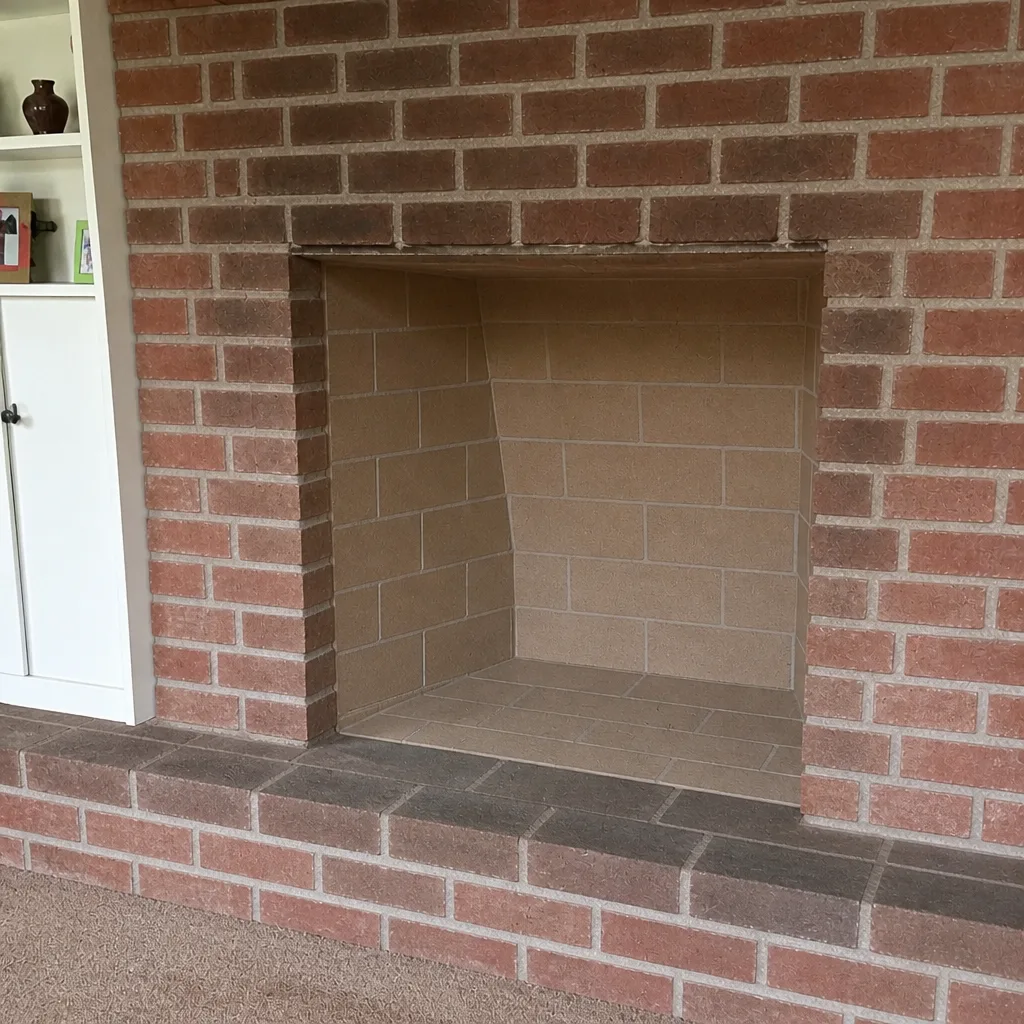
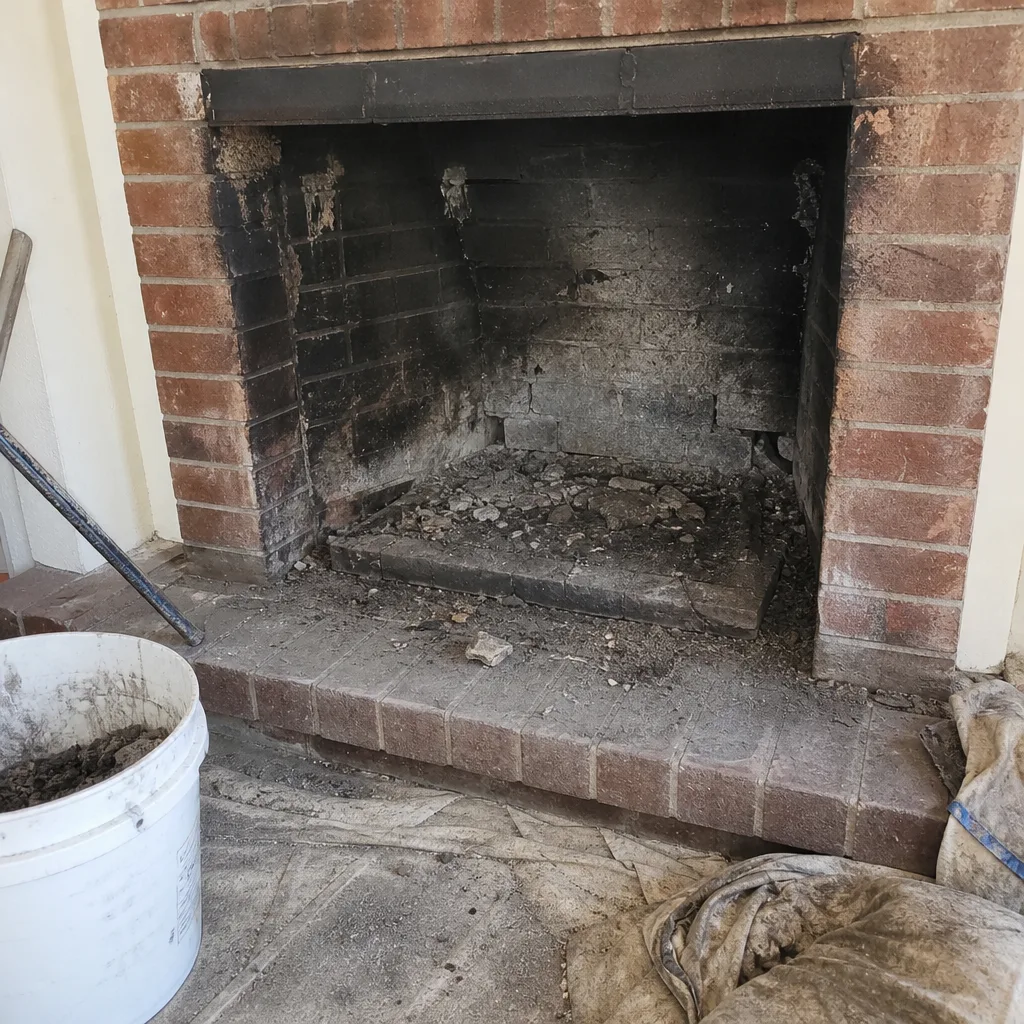
See the difference
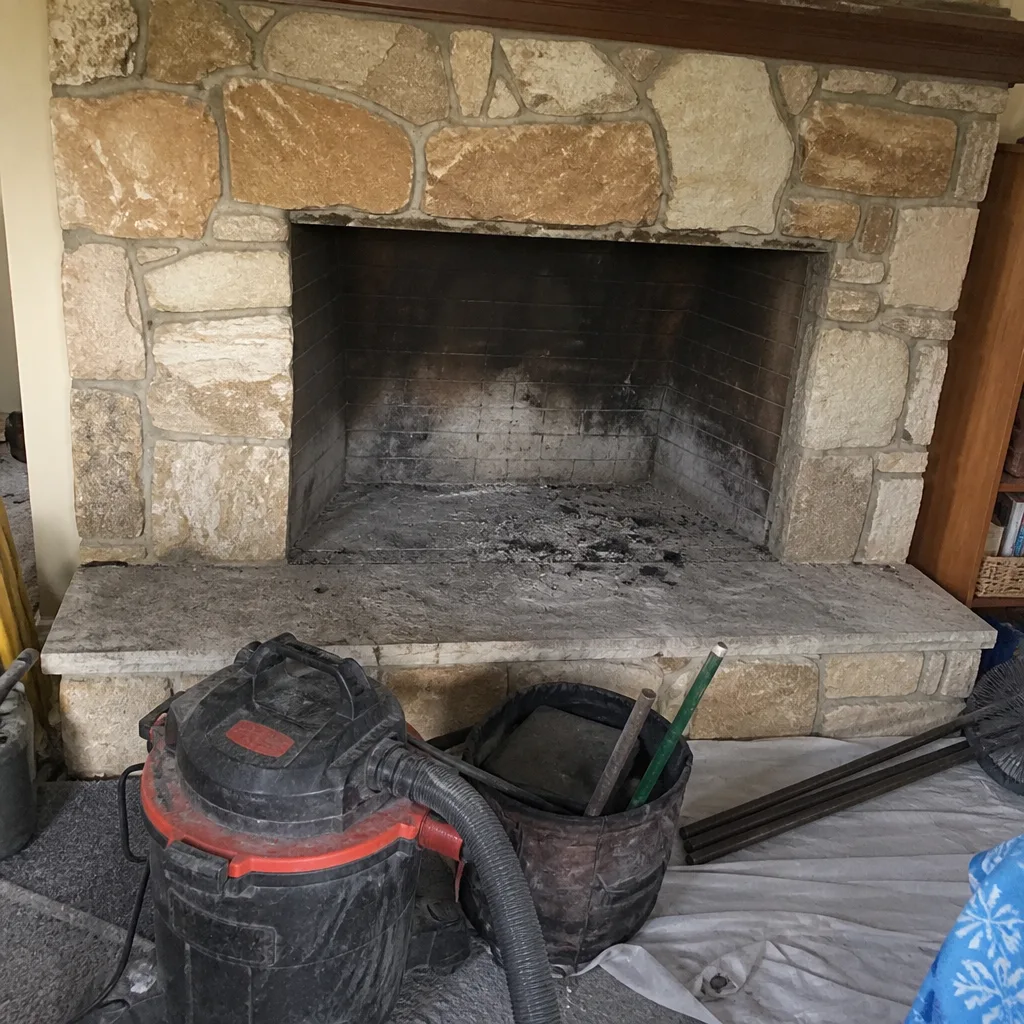 Before
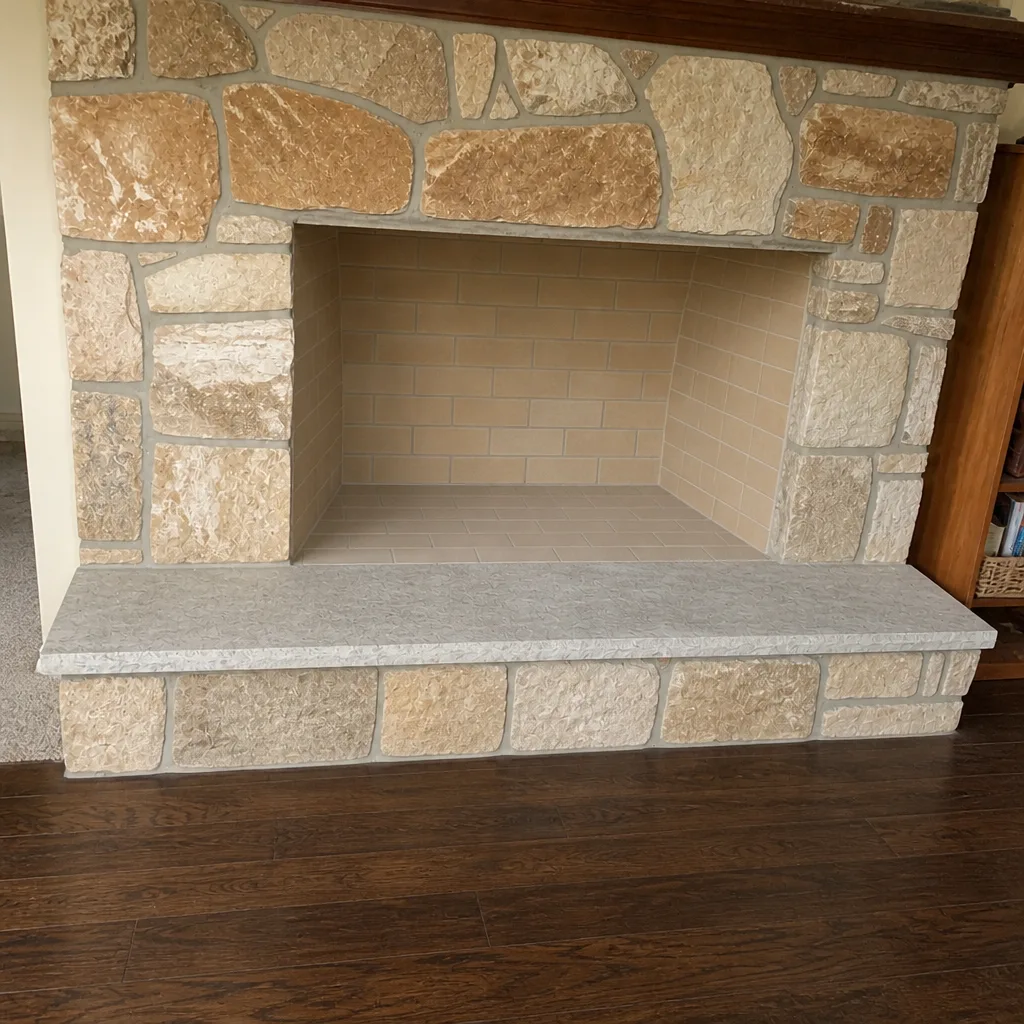 After
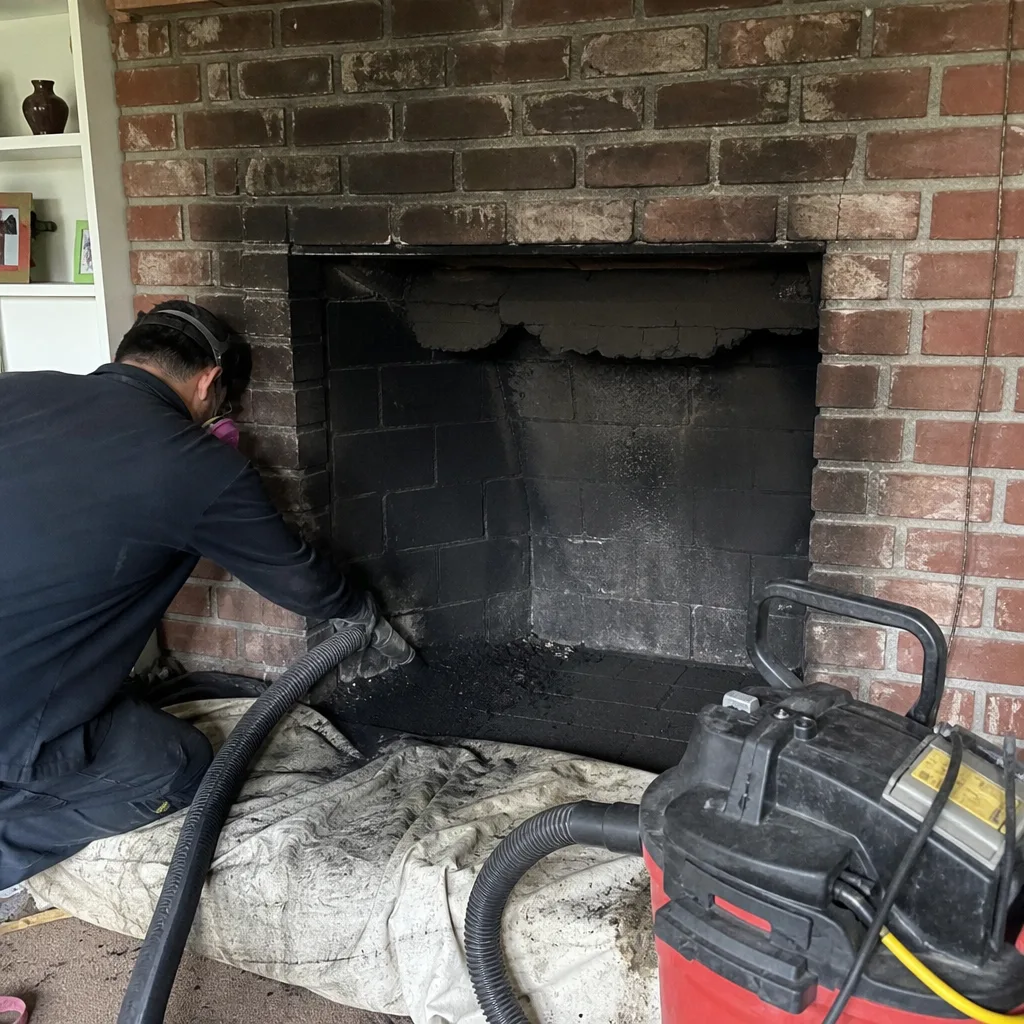 Before
 After
 Before
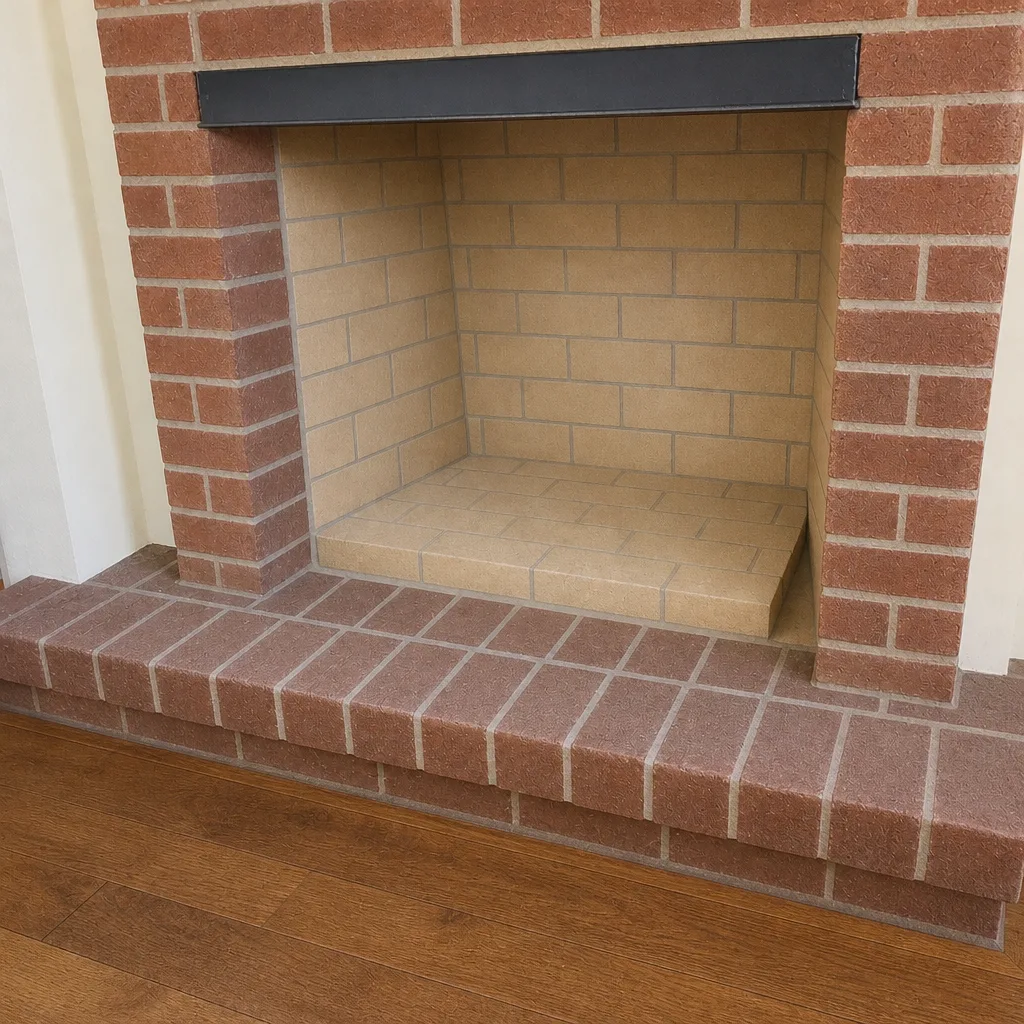 After
When to Call a Professional
Call a chimney specialist when you’re booking your annual sweep before the burn season, when you’ve noticed an odor or a draft problem you can’t explain, when you see visible damage to the masonry or the cap, or when you’re buying a home with a fireplace and haven’t had a Level 2 inspection done. Call when you’ve had a chimney fire – even a small one – because the flue needs to be inspected for damage before you use it again. Call when the carbon monoxide detector has gone off, and keep the appliance off until someone has found the cause.
Don’t call a professional for a basic visual check you can do safely from the ground: is the cap intact, is the masonry sound, is the damper working from inside. That’s homeowner maintenance. Everything inside the flue or behind the firebox needs a specialist with the right equipment.
Stockton Chimney Sweep offers free estimates in Stockton. Call (877) 516-9568. Our technicians have up to 13 years of experience and work in this trade only. We answer 24/7, and dispatch runs 7am to 7pm, Sunday through Friday.
Frequently Asked Questions
A standard sweep in Stockton typically runs in the same range as the rest of the Central Valley – ask for a flat written quote that includes firebox, smoke chamber, and flue, plus a stated level of inspection. Price varies with the level of inspection and creosote severity. Call (877) 516-9568 for an exact quote – estimates are free.
Only if the camera evidence shows a cracked, gaped, spalling, or deteriorated flue that can’t be restored. Many flues don’t need full relining; a HeatShield ceramic resurfacing can restore a clay flue that’s still structurally intact. Ask to see the footage before you decide, and ask what the restoration option is, not just the replacement option. Call (877) 516-9568 to schedule an inspection with a written report.
Once a year for a wood-burning fireplace in regular use is the standard, and Stockton’s mild climate doesn’t change that. Gas appliance venting should be inspected annually too. If you burn heavily or burn unseasoned wood, get it checked sooner. Call (877) 516-9568 to book a sweep before the burn season starts.
Creosote builds up on the flue walls. Stage 3 glazed creosote is the fire-risk stage, and it’s hard to remove without rotary equipment. Carbon monoxide risk also rises as blockages form – animal nests, leaves, or deteriorated liner. Skipping doesn’t always cause an immediate problem, but the risk compounds. Call (877) 516-9568 to schedule an inspection and see exactly what’s inside your flue.
It’s the floor, not the ceiling. Certification tells you the technician passed an exam and follows a code of ethics. It doesn’t tell you what equipment they own or how they diagnose a flue. Use it as your first filter, then ask the equipment questions this guide covers.
You can, but the trade-offs matter. Generalists often lack rotary equipment, video inspection capability, and professional-tier liner products. A dedicated chimney-only specialist has more to lose on a bad job and carries the right tools. Call (877) 516-9568 to talk through what your specific chimney needs.
Call (877) 516-9568. We answer 24/7. Fast dispatch from 7am to 7pm, Sunday through Friday. Get a free estimate with a written scope before you book, and confirm the level of inspection the quote includes. If you’re looking for a broader overview of what we do in Stockton, that page covers the full service picture.
The Bottom Line
Hiring a chimney contractor in Stockton comes down to three questions. Are they certified, and can they answer the technical follow-up? Do they own the equipment – rotary system, camera, HEPA vacuum, professional liner brands? Will they leave a written report with photographic evidence you can verify? Price comes fourth because it’s the easiest thing to compare and the least reliable indicator of quality. A generalist who quotes low and leaves no paper trail costs more over time than a specialist who quotes fairly and documents everything. Use the question list, compare scope, and verify the evidence.
Written by the team at Stockton Chimney Sweep.