
Last updated November 16, 2026
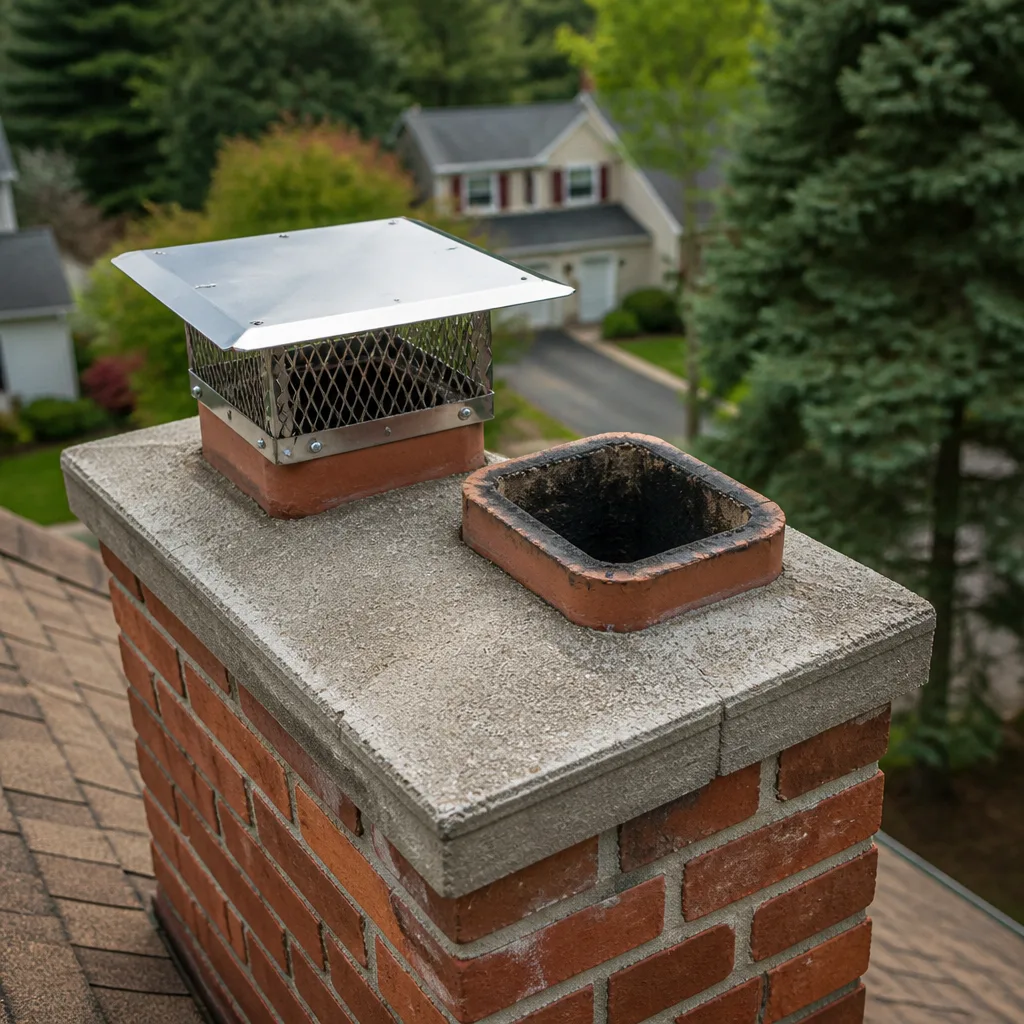 Sweep & inspection
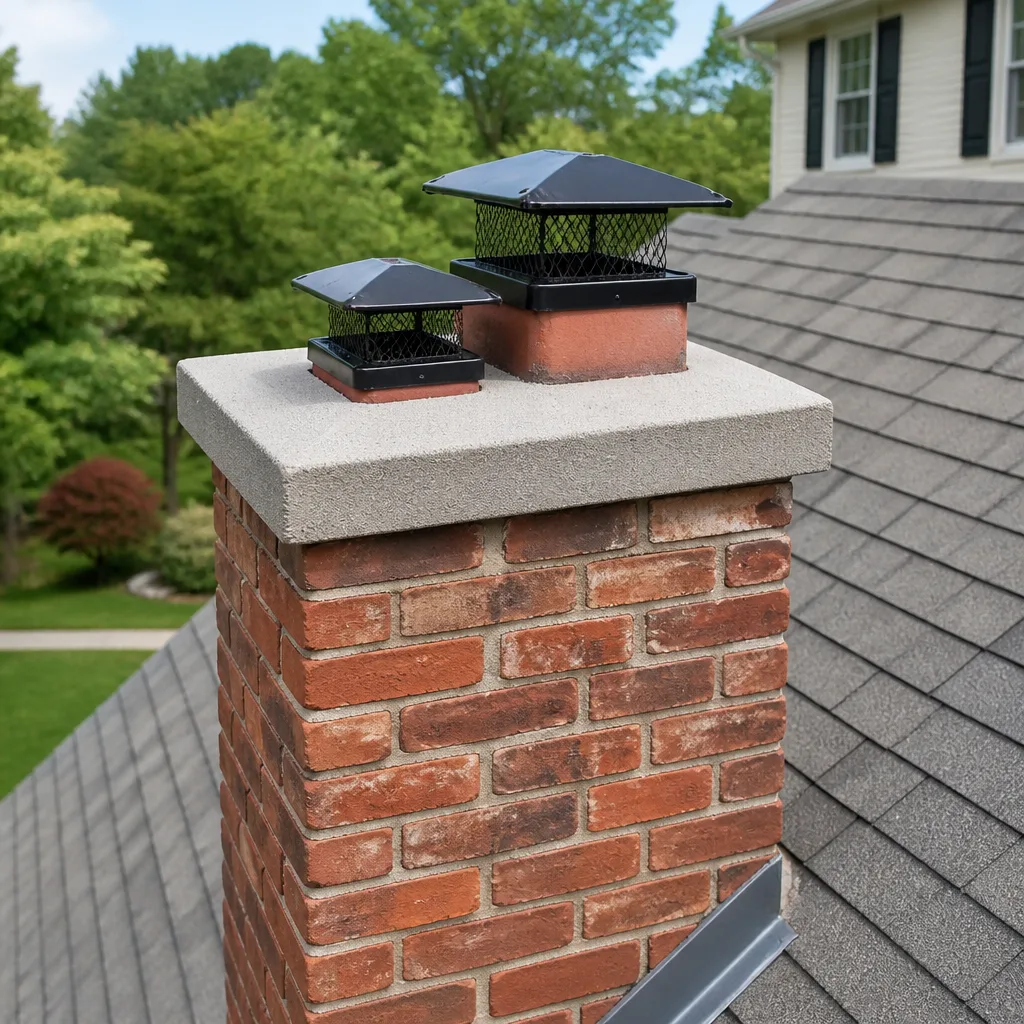 Caps & crowns
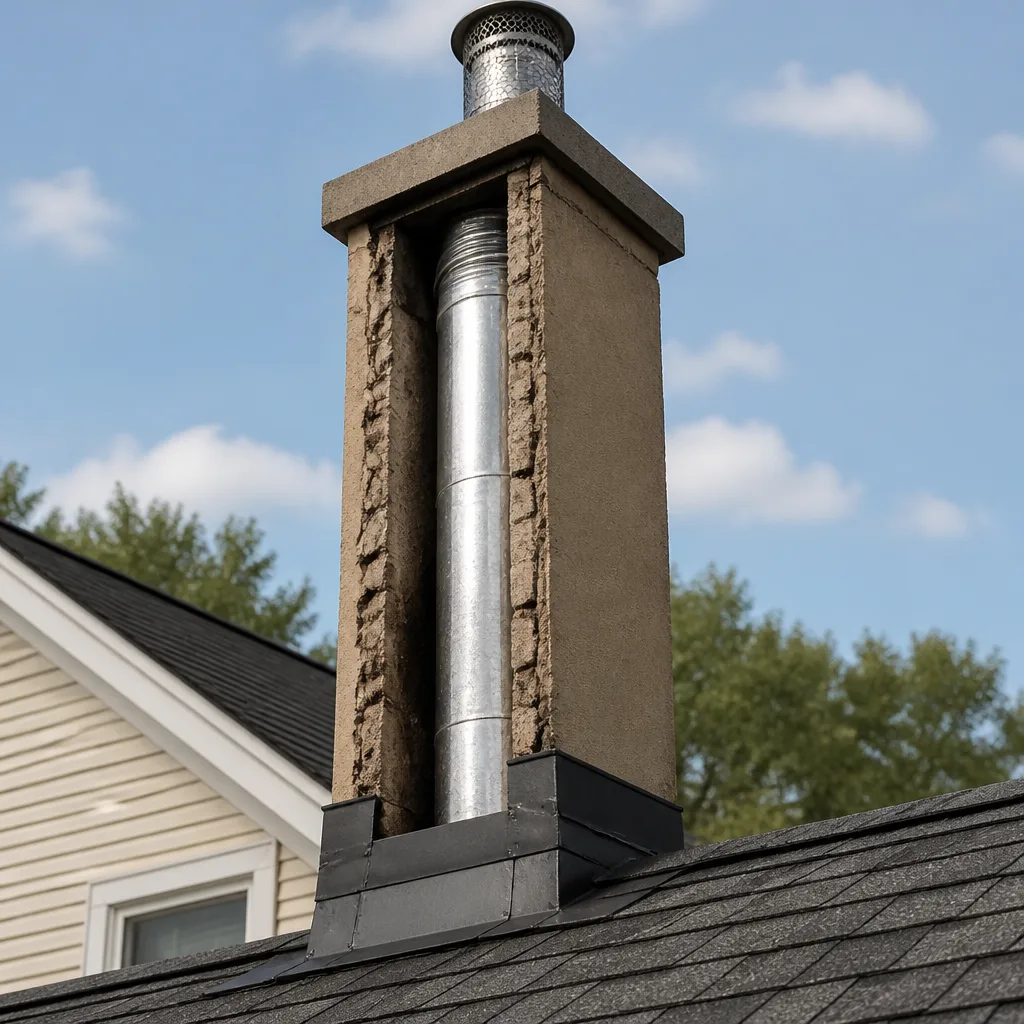 Flue relining
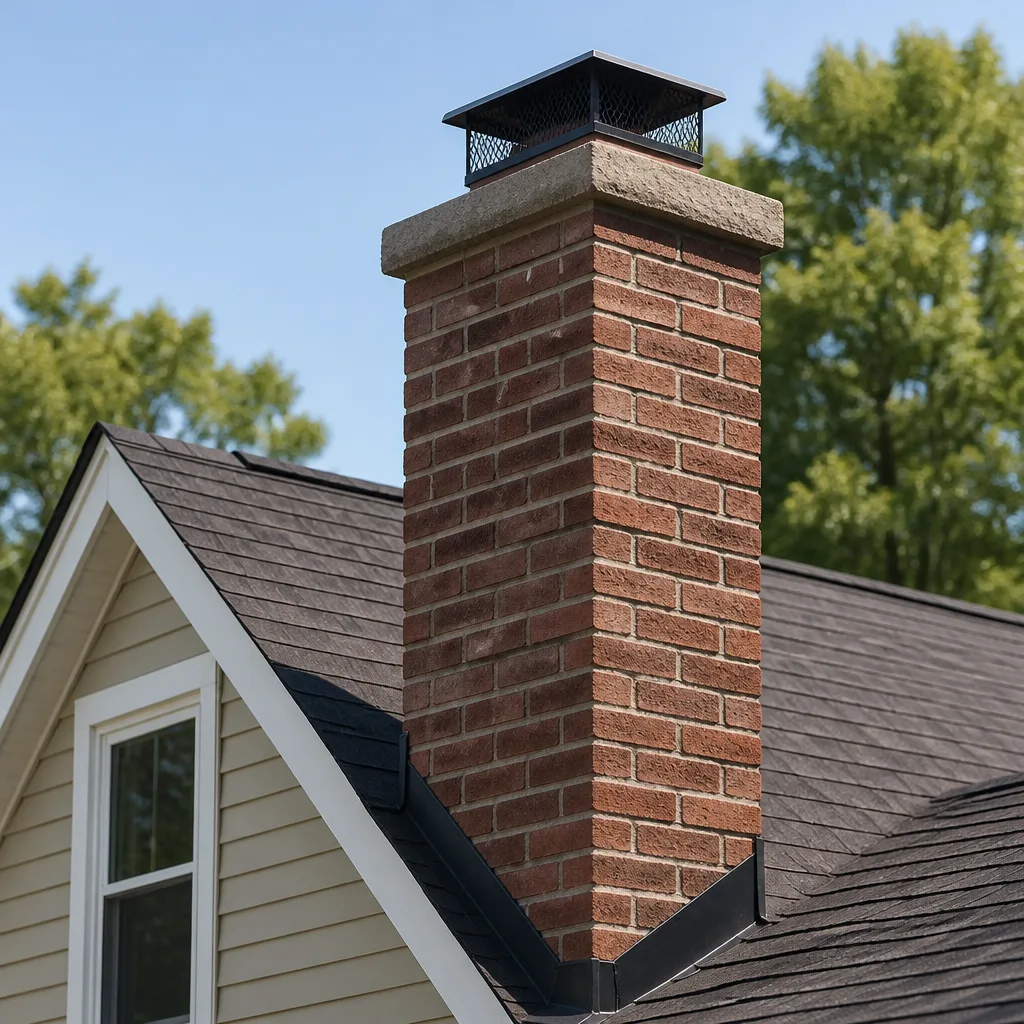 Masonry repair
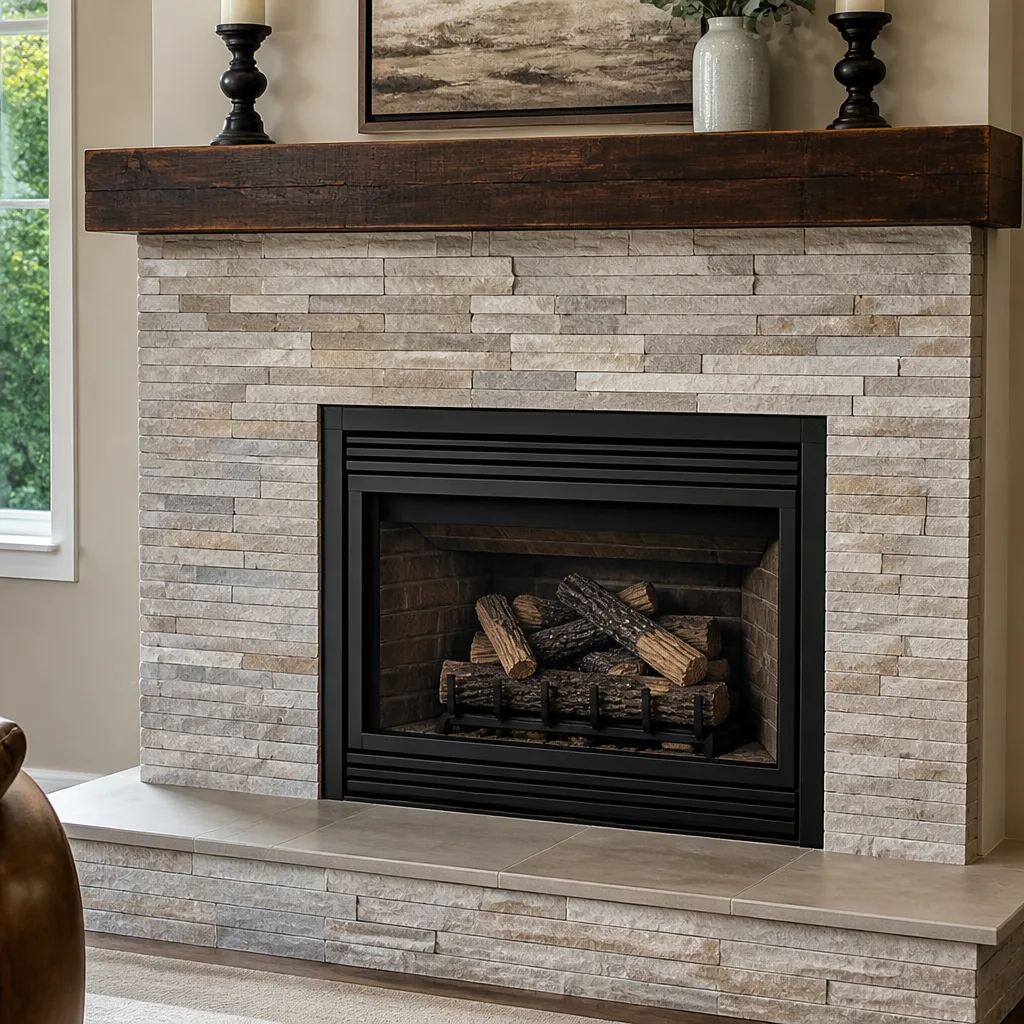 Gas fireplace service
Level 1 sweep and inspection to the NFPA 211 annual standard - flue, crown, cap, and flashing checked and photographed
Chimney sweep logs do not sweep chimneys. They loosen some creosote - which then falls where a brush and vacuum still have to collect it.
Choosing the Right Chimney Cleaning Brand: A Buyer’s Guide for Stockton
The chimney cap on your chimney might be a stamped galvanized shell that cost the contractor a few dollars, or a welded stainless unit built to sit through a decade of Delta wind. On the invoice they can look identical. That gap between a $40 cap and a $400 cap isn’t markup for the sake of markup. It’s the gauge of the steel, the tolerance on the fit, and whether the thing is still sealed to your flue crown three winters from now. The same split runs through liners, crown sealants, and creosote treatments. In this guide we’ll walk through where brand selection actually changes the outcome and where it’s noise, what certifications separate a listed product from a hopeful one, and the exact questions to ask any Stockton sweep about the materials they plan to put on your chimney.
Quick Answer
Brand matters most in three categories: stainless liner systems, chimney caps, and crown sealants, where the material spec and certification (UL 1777 for liners, UL 103 HT for factory-built venting) determine whether the product is safe and durable. It matters far less for basic brushes, rods, and ash vacuums, where function is function. When you hire a sweep in Stockton, ask which liner brand they install, which cap material they use, and whether their products carry a listing. A specific answer tells you they work at a professional tier; a vague one tells you they buy whatever the supply house had on the shelf.
Styles & brands we work with
- Sweep & inspection
- Caps & crowns
- Flue relining
- Masonry repair
- Gas fireplace service
Table of Contents
- Where Brand Selection Genuinely Matters (and Where It Doesn’t)
- What to Ask a Contractor About the Brands They Use
- Chimney Cap Materials: Galvanized, 304, and 316 Stainless
- Liner Systems: What UL 1777 Actually Proves
- Creosote Treatment Products: Legitimate Uses and Overreach
- What “Professional-Grade” Means in Chimney Product Specs
- How Stockton’s Climate Shapes Product Choices
- Why Working With One Chimney-Only Company Matters
Where Brand Selection Genuinely Matters (and Where It Doesn’t)
Not every product in a chimney job deserves the same scrutiny. Some categories are almost purely functional, and paying a premium for a name brand buys you very little. Others are the difference between a repair that holds and one that fails inside a season. If you learn to separate the two, you stop wasting attention on the wrong questions and start asking the ones that protect your home.
Here’s how we break it down when we walk a homeowner through a quote.
Brand matters a lot in these categories
- Stainless flexible liner systems. The alloy, wall thickness, and manufacturing quality determine whether the liner lasts decades or corrodes through in a few years. A listed flexible liner like DuraFlex is engineered and tested as a system, not just a tube of metal.
- Chimney caps. The cap is the one component exposed to every storm, every bird, and every wind gust. Material grade and weld quality decide whether it survives. A gelco-style stainless cap with proper sizing and sealing protects the flue for years; a cheap stamped cap does not.
- Crown sealants and repair mortars. Crown coatings and HeatShield ceramic flue resurfacing products are formulated to expand and contract with the masonry through a wide temperature band. Generic mortar or hardware-store sealant cracks within a couple of seasons.
- Factory-built venting components. Vent sections must match the appliance and carry the correct listing. A mismatched component is a fire and carbon monoxide concern, not a cosmetic one.
Brand matters less in these
- Brushes and rods. A poly brush is a poly brush. What matters is matching the brush type to the flue (poly for stainless liners, wire for heavy creosote in clay tile), not the logo on the handle.
- Drop cloths, ash vacuums, and HEPA filtration. These affect how clean your house stays during the sweep, and quality does vary, but the brand isn’t something you need to negotiate in advance.
- Basic hand tools and inspection cameras. The skill of the technician operating the camera matters far more than the camera itself.
The takeaway: focus your questions on the products that get installed and stay installed. Those are the ones where a cheap substitute costs real money later. If you want a general baseline for the service side of this, our chimney sweep page covers what a proper cleaning involves.
What to Ask a Contractor About the Brands They Use
The fastest way to gauge a chimney contractor’s product depth is to ask two or three specific questions and listen to the answer. A specialist will name brands, grades, and listings without hesitation. A generalist will wave at a truck and say “we use good stuff.” Here’s a short sequence you can run through before you book.
- “Which liner brand do you install, and is it listed to UL 1777?” A knowledgeable answer names the system and confirms it’s tested as a liner kit, not a piece of duct. A vague answer (“we use stainless”) tells you the contractor either doesn’t know or doesn’t want to say.
- “What stainless grade and wall thickness is standard for you?” The correct answer depends on the fuel type and flue condition, but a specialist will explain why. Silence or a blanket “316 everywhere” is a warning sign.
- “What cap material do you use, and how do you size it?” You’re listening for a stainless grade and a sizing method (measured to the flue, not “close enough”). A gelco cap sized and sealed to your specific flue is a different product from a universal cap bolted on top.
- “Do you carry a resurfacing option for a flue that doesn’t need full replacement?” A specialist who knows HeatShield ceramic restoration will explain when it applies and when it doesn’t. A contractor who has never heard of it will default to replacement, which may be more than your flue requires.
- “Can I see the manufacturer’s documentation for the products you’ll install?” Listed products come with documentation. A contractor who can hand it to you or point you to it is working at a professional tier.
For a deeper look at how these questions play out during an actual repair, our chimney repair page explains the diagnostic side.
Chimney Cap Materials: Galvanized, 304, and 316 Stainless
Chimney caps fail in a predictable order: cheap galvanized steel rusts through first, 304 stainless holds up for years in most conditions, and 316 stainless is the grade that holds up longest. In Stockton’s dry, windy interior climate, the main stressors aren’t salt or heavy snow; they’re sun, airborne dust, and the strong Delta wind that funnels through the valley. That wind load matters. A cap that’s undersized or loosely mounted lifts, rattles, or comes off entirely in a gust, and a cap that comes off is worse than no cap at all.
Here’s how the three common materials compare for a Stockton home.
- Galvanized steel. Cheapest, and the one most likely to rust and fail within a handful of years. It’s the wrong choice for a long-term install.
- 304 stainless steel. A solid mid-grade, resistant to rust and corrosion, and a reasonable choice for a wood-burning flue in this climate.
- 316 stainless steel. The higher grade, more resistant to chemical attack, and the better fit for gas appliance venting or any flue where condensate is a factor.
Beyond material, cap fit matters as much as the metal. The cap needs to be sized to your flue’s actual dimensions, sealed to the crown, and screened to keep out birds, squirrels, and the occasional windblown debris. A gelco cap built to your flue dimensions with proper sealing is the standard we work to. When a cap is bolted on loose or sized to the nearest stock dimension, it does half its job: it keeps some rain out and lets everything else in.
When you’re reviewing a quote that includes a cap, ask two things: what grade of stainless, and how the cap will be sized and sealed. Those two answers tell you whether the item on the invoice is a $40 cap or a $400 cap in disguise.
Liner Systems: What UL 1777 Actually Proves
A UL 1777 listing means the liner has been tested as a complete system for use in a chimney: the flue, the fittings, the connections, and the insulation. It’s the standard that separates a flexible liner that’s been validated for its job from a length of corrugated stainless that happens to fit. For factory-built fireplaces and vents, the analogous listing is UL 103 HT, which specifies high-temperature performance for the vent sections themselves.
When a contractor quotes a reline, you’ll want them to tell you which listing applies and which system they’re installing. Here’s the sequence a proper reline follows, and where the brand shows up.
- Inspect and size the flue. The liner must match the appliance’s venting requirements and the flue’s actual dimensions. This is where the diagnostic work happens, and where a good contractor decides between a full reline and a resurfacing option.
- Choose the liner system. A professional-tier flexible system like DuraFlex is engineered for relining older or irregular masonry flues without tearing out the chimney. It comes as a kit with the components designed to work together.
- Insulate and install. Insulation around the liner is what protects the surrounding structure and helps the flue draft correctly. It’s part of a listed system, not an optional extra.
- Verify and document. The finished install should be inspected and documented. Ask for photos or a written report.
One more point that saves homeowners real money: not every flue needs a full reline. HeatShield ceramic flue resurfacing is an EPA-recognized, code-compliant repair method that restores a damaged clay tile flue from the inside without full replacement. It applies when the damage is in the flue surface, not when the flue is structurally compromised. A specialist who carries it can offer you the restoration option; a generalist who doesn’t will quote the more expensive path by default. Either way, the recommendation should be backed by what the camera inspection actually shows. If you’re not sure where to start, the main Stockton Chimney Sweep page lays out the full scope of what we do.
Creosote Treatment Products: Legitimate Uses and Overreach
Creosote chemical treatments can soften hardened creosote deposits and make them easier to remove during a sweep. That’s a legitimate, useful application, and it’s what these products are formulated for. What they cannot do is replace a sweep, and any product marketed as a “self-cleaning” solution or a way to burn away a heavy creosote load without physical removal is making claims the chemistry doesn’t support. Creosote is a fire hazard in its third-stage, glazed form, and the only reliable way to remove it is mechanical sweeping by a trained technician.
Where treatment products help:
- Softening hard, gummy deposits before a scheduled sweep so the brush can do its job.
- Reducing the rate at which new creosote accumulates between cleanings when paired with proper burning habits.
- Loosening deposits in angled or hard-to-reach flue sections.
Where the claims go too far:
- “No need to sweep” products. There is no chemical substitute for physical creosote removal.
- “Converts creosote to harmless ash” claims. The conversion is partial at best and doesn’t remove the remaining deposit.
- Products pitched as a fix for a chimney fire. A chimney fire is an emergency, and the flue needs an inspection, not a chemical.
If a contractor recommends a treatment product on your job, ask what stage of creosote they’re targeting and how it will be removed afterward. A clear answer means they know the product’s limits. A vague one means they’re repeating a sales sheet.
What “Professional-Grade” Means in Chimney Product Specs
“Professional-grade” isn’t a certification. It’s shorthand for products that carry a listing, come from manufacturers who supply the trade, and are installed to a standard the manufacturer specifies. The listings are what make the phrase meaningful. When a product claims a UL listing, it has been tested against a specific standard for a specific use, and the test results are on file.
The two listings you’ll hear most often in chimney work:
- UL 1777: the standard for chimney liners. A liner listed to UL 1777 has been tested as a system for use in a chimney, including its fittings and insulation.
- UL 103 HT: the standard for factory-built chimneys and high-temperature venting. Vent components on a factory-built system need to match this listing to be safe.
Beyond the listings, professional-grade shows up in how products are supplied and supported. Brands like Olympia Chimney and Famco supply the trade with venting and liner components that are designed to work as a system. HeatShield and DuraFlex are examples of products that carry the manufacturer’s documentation and installation requirements. When a contractor works with these, they can hand you the spec sheet if you ask. When they work with whatever was cheapest, the documentation usually isn’t there.
In our experience, the practical test for a homeowner is simple: ask for the spec sheet. A specialist can produce it. The supplier name on the box is one clue, but the listing and documentation are the proof.
How Stockton’s Climate Shapes Product Choices
Stockton’s climate is mild in winter and hot in summer, with strong seasonal winds moving through the valley. That combination pushes product choices in a few specific directions.
- Wind load matters more than snow load. Because we don’t get heavy snow here, the cap’s job is holding against gusts, not shedding weight. That means material grade and mounting method matter more than the shape of the cap. A cap that lifts in a Delta breeze is a cap that will eventually come off.
- Dry heat stresses sealants. Crown sealants and masonry coatings have to survive long hot summers and the temperature swings between day and night. Products formulated for a wide temperature band hold up; generic mortar does not.
- Liner grade depends on your fuel. A wood-burning flue has different demands than a gas appliance, and the correct stainless grade follows from that. A contractor who uses one grade for every job isn’t matching the product to the flue.
- Dust and debris get into caps. The screening and fit of the cap determine how much windblown material ends up in the flue, which affects how often you need a sweep.
None of this requires you to become a product expert. It requires you to ask the specific questions this guide lays out and listen for a specific answer. If you want the geographic context for how this plays out across the area, our Stockton page covers the local side.
Why Working With One Chimney-Only Company Matters
Product depth and service depth are linked. A company that only does chimney work carries the products that chimney work requires, because every job depends on them. A company that sweeps chimneys as one line among many buys whatever the local supply house happens to stock that week. That difference shows up in the products on your flue.
The other practical advantage of a chimney-only company is continuity. When one company inspects, cleans, and repairs, the person who looked at your flue is the person who recommends the fix, and the same company stands behind the work. There’s no handoff to a separate subcontractor for the repair phase, no gap in who’s accountable, and no chance that the diagnosis gets lost in translation between two businesses.
In our case, that focused scope means sweep, repair, and inspection all happen within a single trade. Our technicians have up to 13 years of experience, and the product work is concentrated in the categories where it counts: liner systems, caps, crowns, and flue restoration. We install DuraFlex flexible liner systems, offer HeatShield ceramic restoration as an alternative to full reline, and supply Gelco caps sized and sealed to your flue. Olympia Chimney and Famco supply venting and liner components. Copperfield covers specialty products. Every recommendation starts with an inspection, so you see what we see before anything is recommended.
If you’re not sure whether your flue needs work, an inspection is the honest starting point. You’ll get a clear picture of what’s there and what, if anything, needs to happen.
Common Mistakes to Avoid
- Assuming a cheap cap is the same cap. Galvanized steel on a Stockton chimney will rust and fail sooner than a stainless unit, and the mounting method determines whether the cap stays on through the Delta wind. Ask about material grade and fit before you accept a cap on a quote.
- Choosing a contractor on price alone for a reline. A reline is a system install, not an hour of labor. The cheap quote usually reflects a lower-grade liner or a shorter warranty, and the cost of a failed liner is a second reline.
- Skipping the inspection to save time. The inspection is where the recommendation comes from. Without it, you’re guessing at what your flue needs and whether the “repair” being quoted matches the actual condition.
- Assuming a full reline is the only option for a damaged flue. HeatShield ceramic restoration is a code-compliant repair method for certain flue conditions. If a contractor doesn’t know about it, you may be quoted replacement for a repair that could have been handled with resurfacing.
- Buying a creosote treatment and skipping the sweep. No chemical removes creosote the way a trained technician does. Treatment can soften deposits, but it doesn’t substitute for mechanical cleaning.
- Hiring a multi-trade generalist for chimney-specific work. A company that sweeps chimneys on the side is less likely to carry professional-tier liner systems, caps, and restoration products. Ask what brands they install before you book.
- Accepting a recommendation without seeing the evidence. A camera inspection with photos or a written report is the standard for a reason. You should be able to see the condition of your own flue before you approve work.
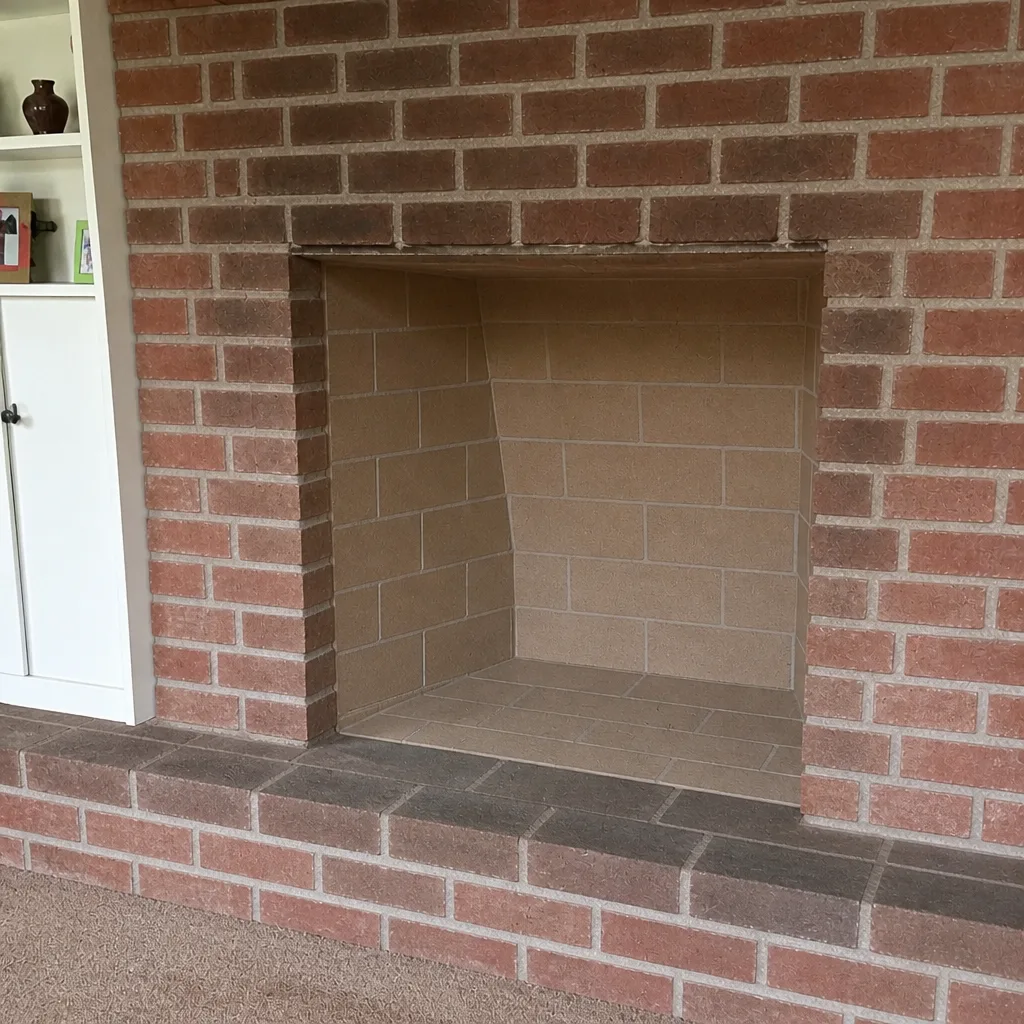
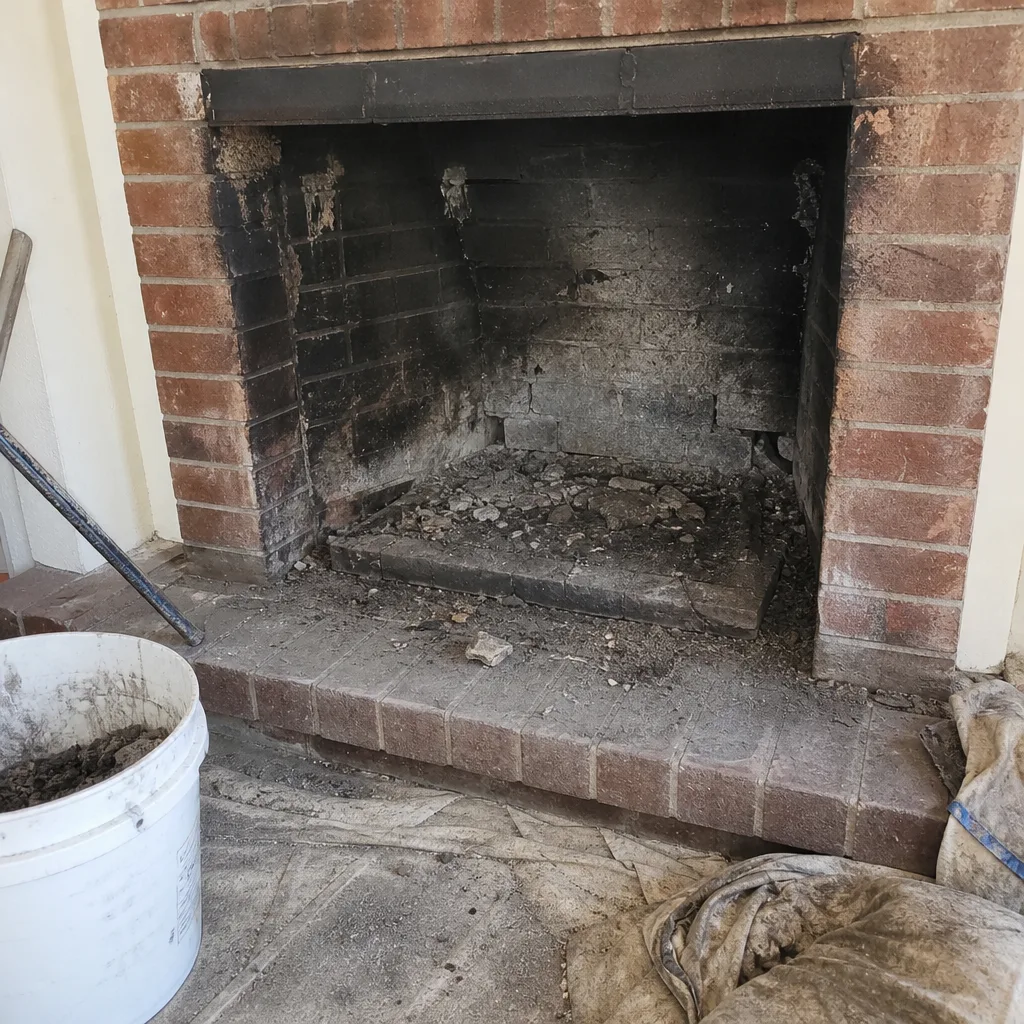
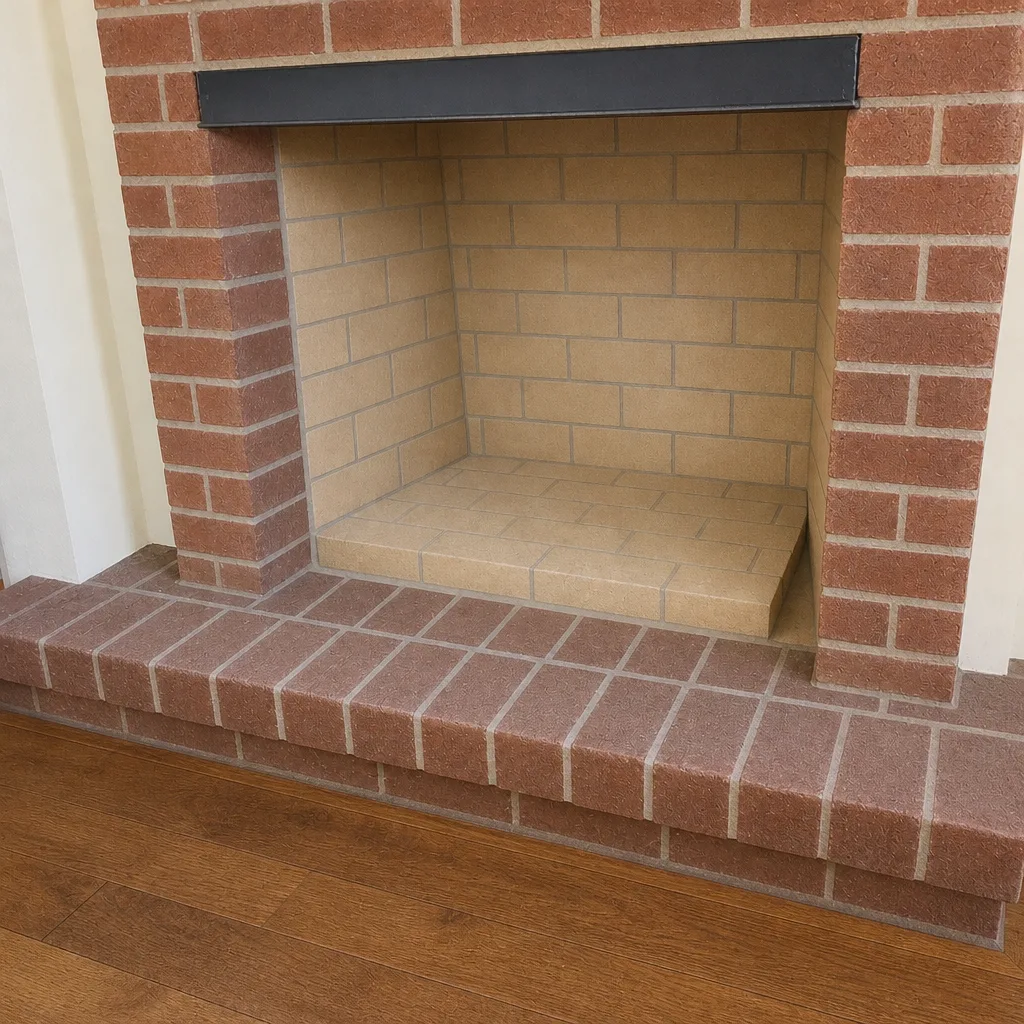
See the difference
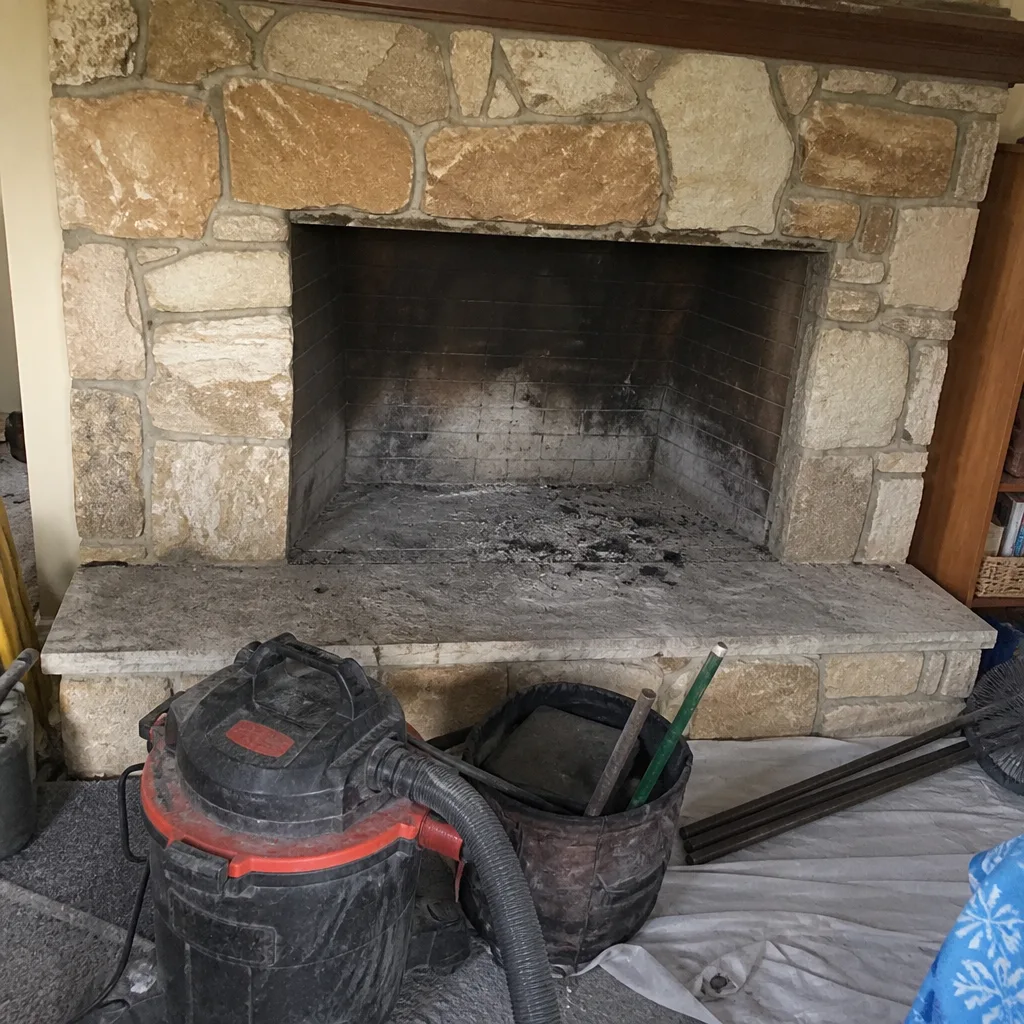 Before
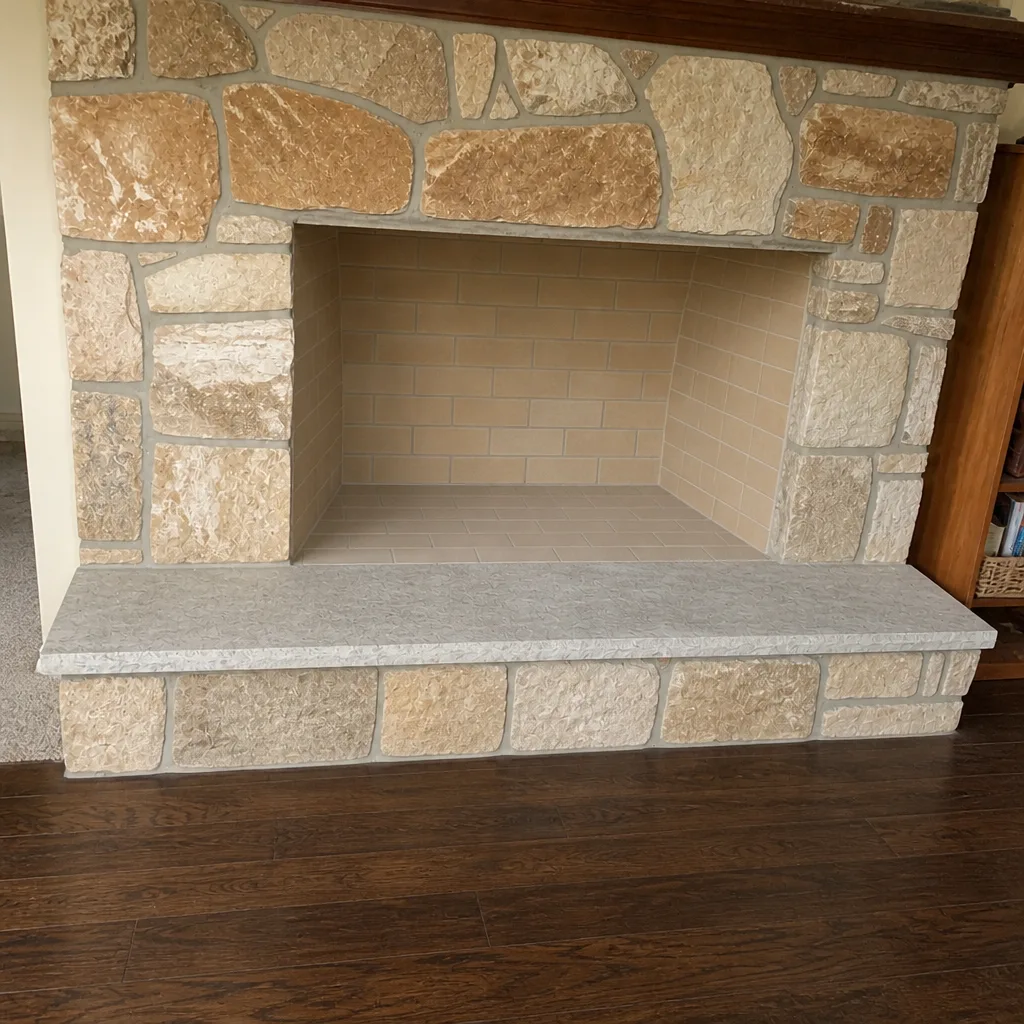 After
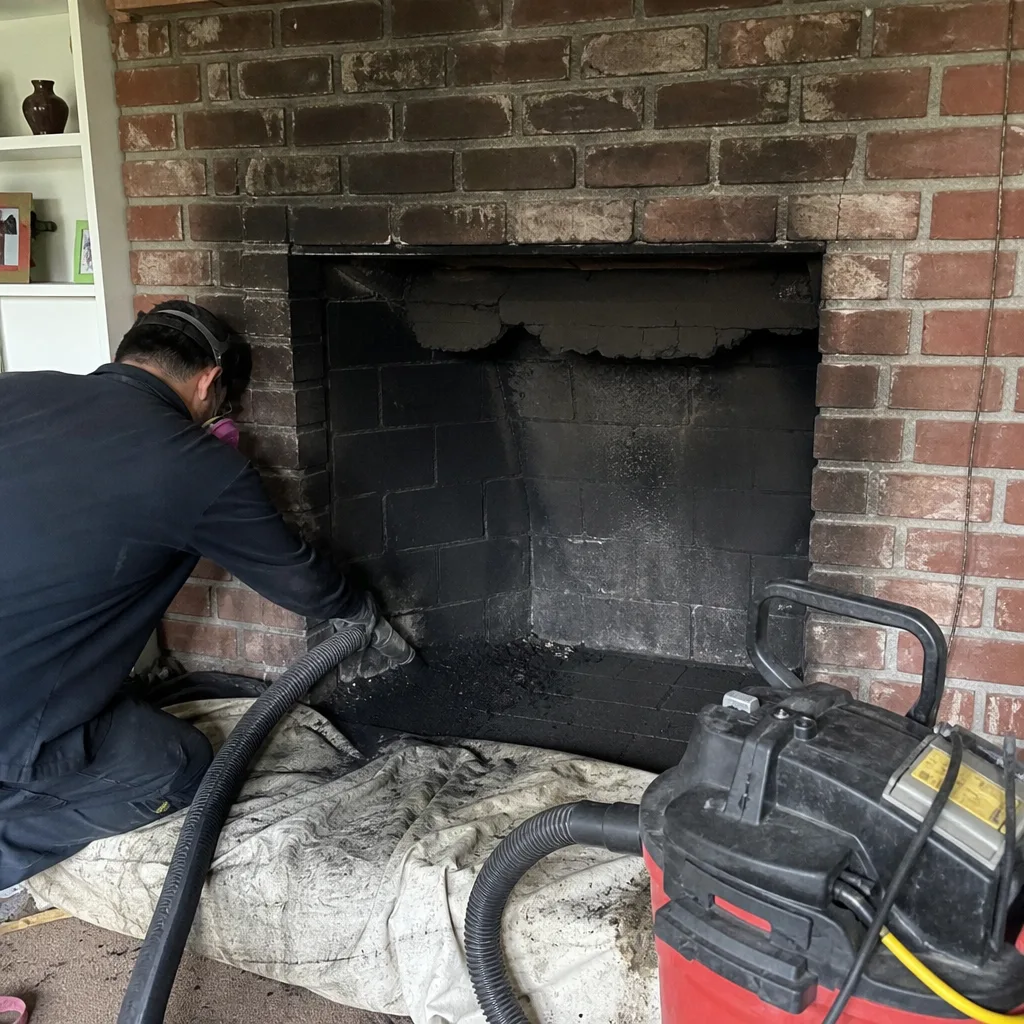 Before
 After
 Before
 After
When to Call a Professional
Call a professional when you notice a strong creosote odor, when smoke backs into the room instead of drawing up the flue, when you can see cracked or missing mortar in the chimney crown, or when it’s been a while since your last sweep and you burn wood regularly. A damaged chimney cap, a visible crack in the flue tile, or a draft problem that didn’t exist before are all signs that an inspection is due. On the product side, call before you buy a liner, cap, or sealant, so the material is matched to your flue rather than guessed at. Stockton Chimney Sweep offers free estimates in Stockton. Call (877) 516-9568. We answer 24/7. Fast dispatch from 7am to 7pm, Sunday through Friday.
Frequently Asked Questions
A sweep should be able to name the brand of flexible liner they install, the grade of stainless they use for caps, and whether their products carry a UL listing (UL 1777 for liners, UL 103 HT for factory-built venting). Professional-tier brands include DuraFlex for liners, HeatShield for ceramic flue resurfacing, Gelco for caps, and Olympia Chimney and Famco for venting components. When a contractor can name their brands and produce documentation, that’s a good sign. When the answer is vague, keep asking. Call (877) 516-9568 for an exact quote; estimates are free.
Yes. A cap’s material grade (galvanized, 304 stainless, or 316 stainless), its weld quality, and how it’s sized and sealed determine whether it lasts years or fails. In Stockton’s wind, an undersized or loosely mounted cap can lift or come off entirely, which is worse than no cap. A stainless cap sized and sealed to your flue is worth the difference in price. Call (877) 516-9568 for an exact quote; estimates are free.
UL 1777 is the testing standard for chimney liners, and a liner listed to it has been validated as a complete system for use in a chimney, including its fittings and insulation. When you hire a contractor for a reline, ask which liner system they install and confirm it’s listed to UL 1777. A liner that isn’t listed is a liner that hasn’t been tested for its job. Call (877) 516-9568 for an exact quote; estimates are free.
Creosote treatment products can soften hardened deposits and make them easier to remove during a sweep, and that’s a legitimate use. They cannot replace a sweep or remove a heavy creosote load on their own, and any product claiming to eliminate the need for cleaning is overreaching. Mechanical removal by a trained technician is the only reliable way to clear creosote. Call (877) 516-9568 for an exact quote; estimates are free.
Sometimes. HeatShield ceramic flue resurfacing is an EPA-recognized, code-compliant repair method that restores certain damaged clay tile flues from the inside without full replacement, but it only applies when the flue damage is in the surface rather than the structure. The inspection determines which option fits. Ask your contractor whether they carry it and when they’d recommend it. Call (877) 516-9568 for an exact quote; estimates are free.
Ask for the manufacturer’s documentation on any liner, cap, or sealant they plan to install. Professional-tier products come with spec sheets and listings; generic substitutes usually don’t. A knowledgeable contractor will also explain why they chose a particular grade for your flue rather than using the same product on every job. A vague answer is your cue to ask more questions. Call (877) 516-9568 for an exact quote; estimates are free.
The Bottom Line
Brand selection is worth your attention in three places: stainless liner systems, chimney caps, and crown or flue sealants. Those are the products that get installed, stay installed, and fail or hold based on their material specs. Everything else on the service side is mostly a question of technician skill. The practical takeaway is to ask about brands specifically, confirm the UL listings, and ask for documentation. A contractor who can answer those questions clearly is working at a professional tier, and the products on your chimney will reflect it. If you’re ready for an inspection or a quote, Stockton Chimney Sweep offers free estimates across the area. Call (877) 516-9568. We answer 24/7. Fast dispatch from 7am to 7pm, Sunday through Friday.
Written by the team at Stockton Chimney Sweep.