
Last updated November 16, 2026
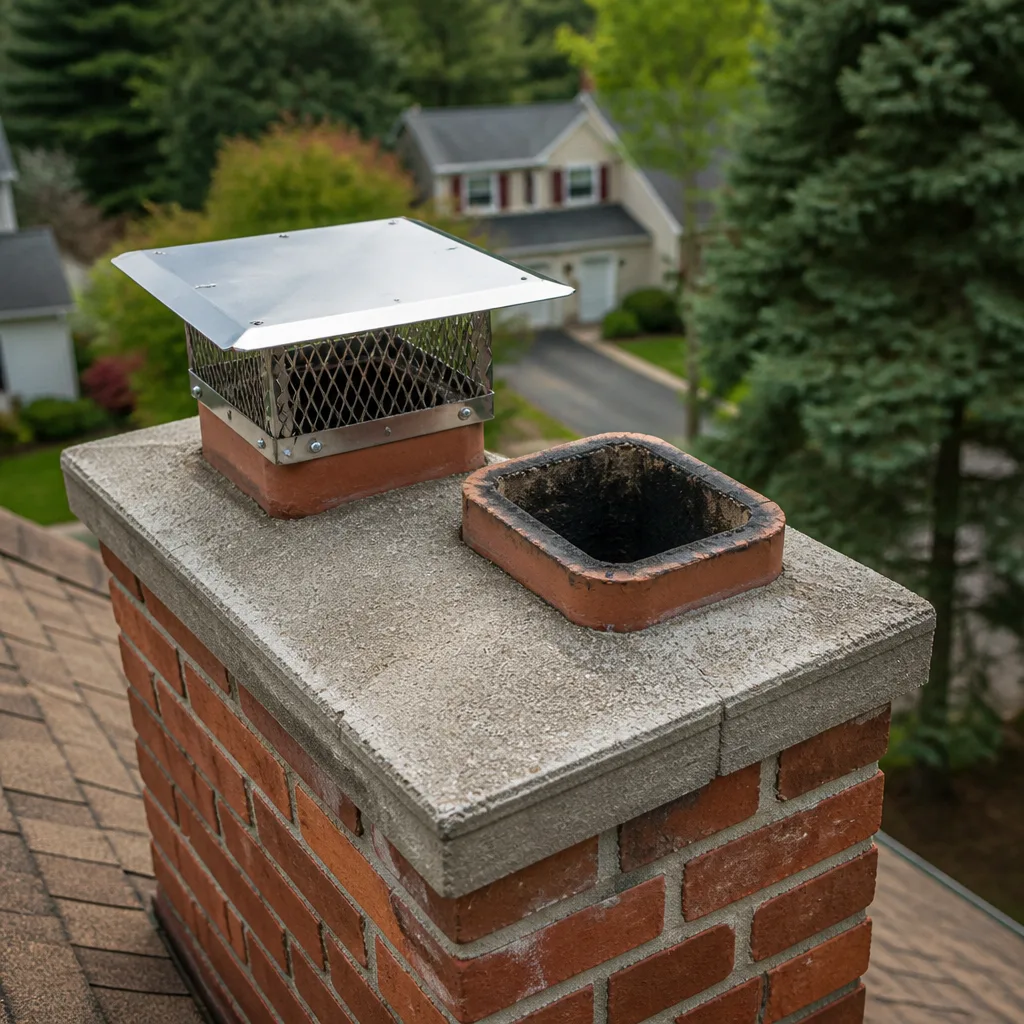 Sweep & inspection
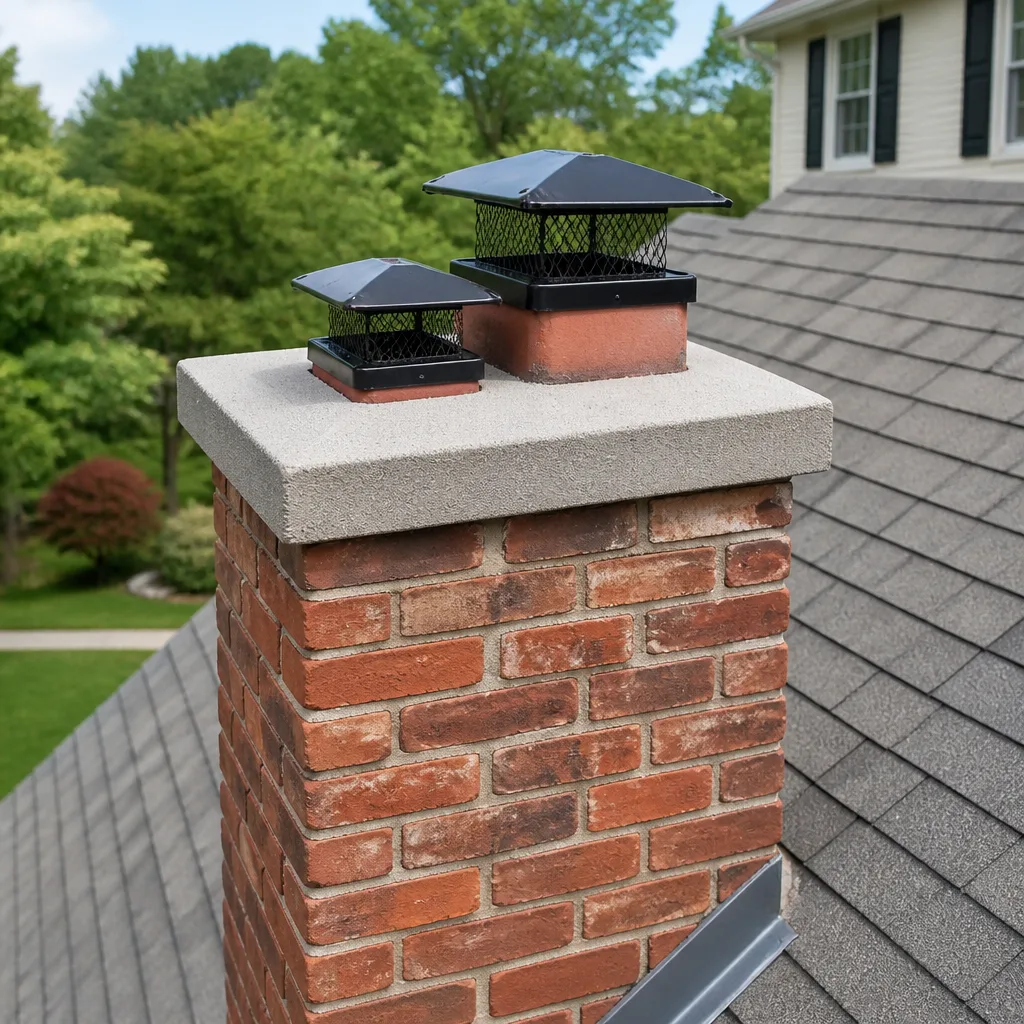 Caps & crowns
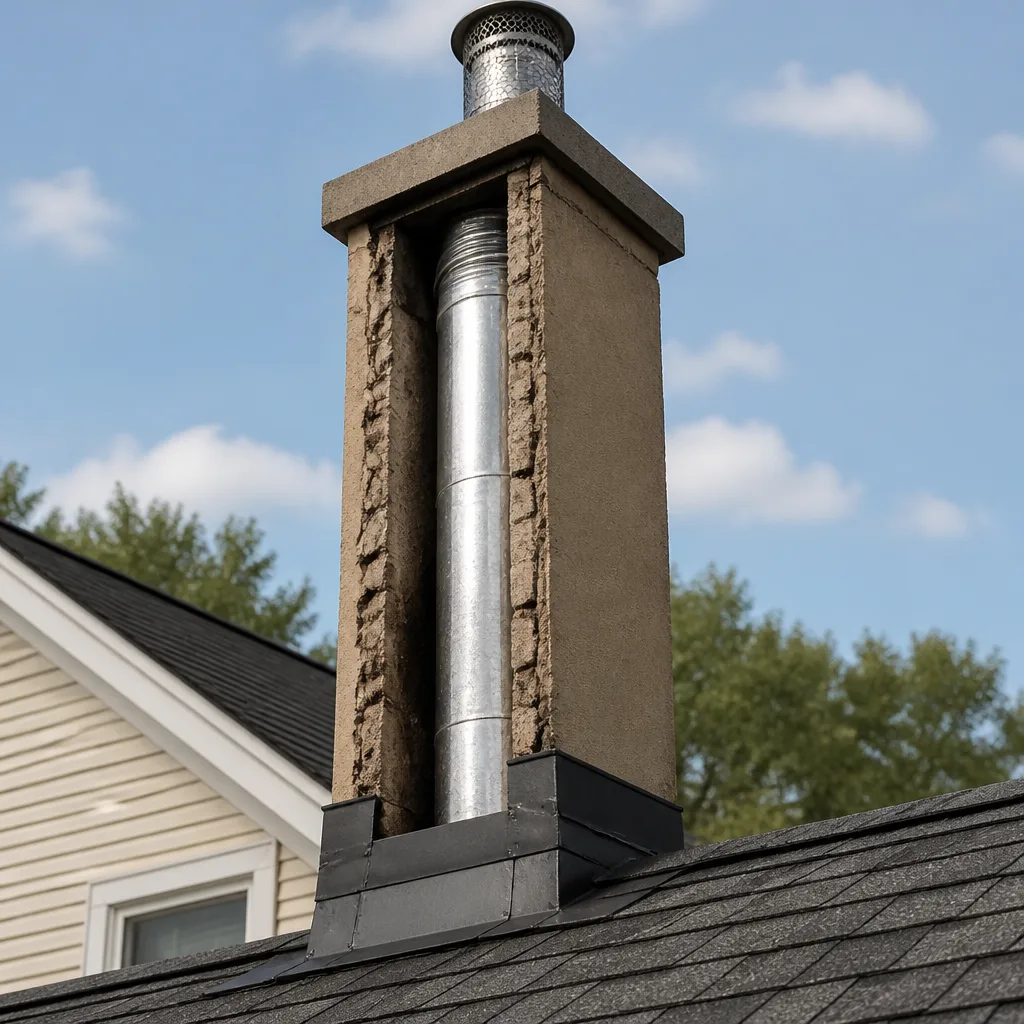 Flue relining
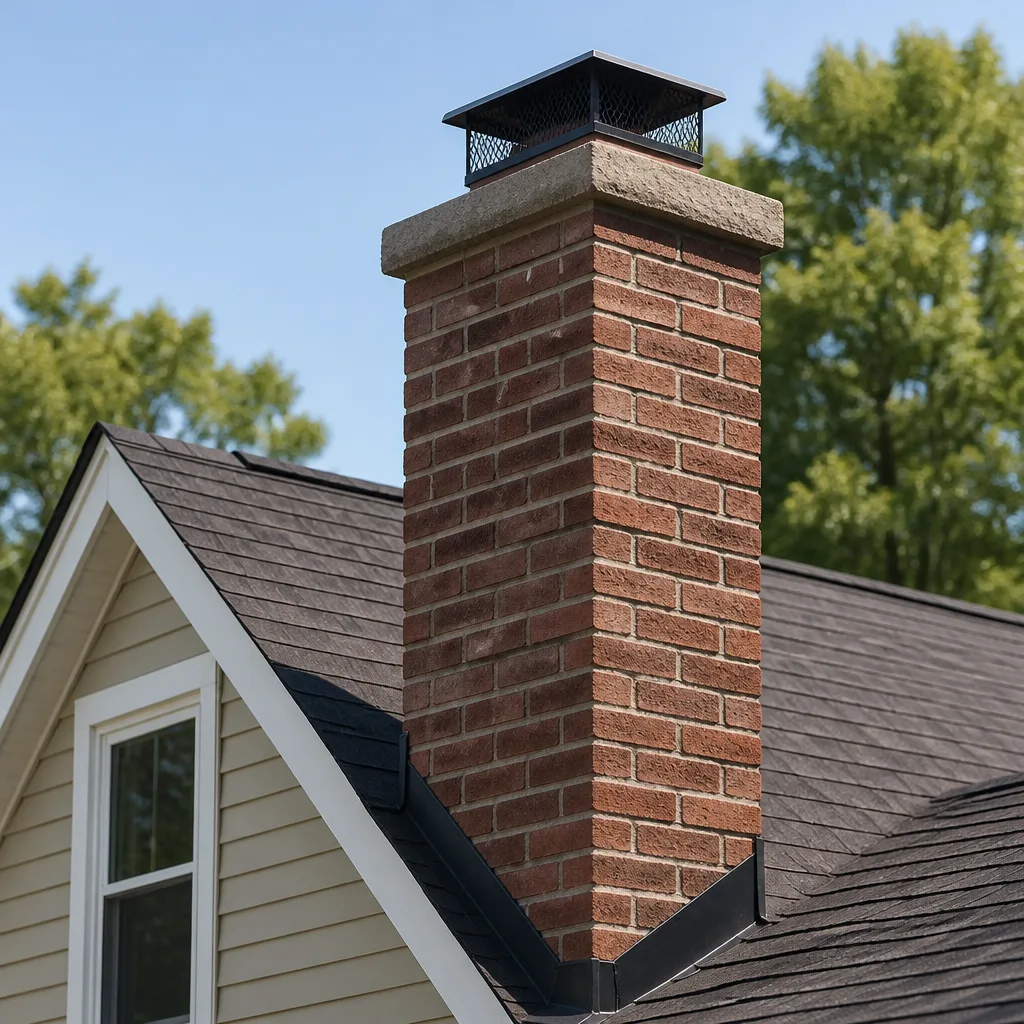 Masonry repair
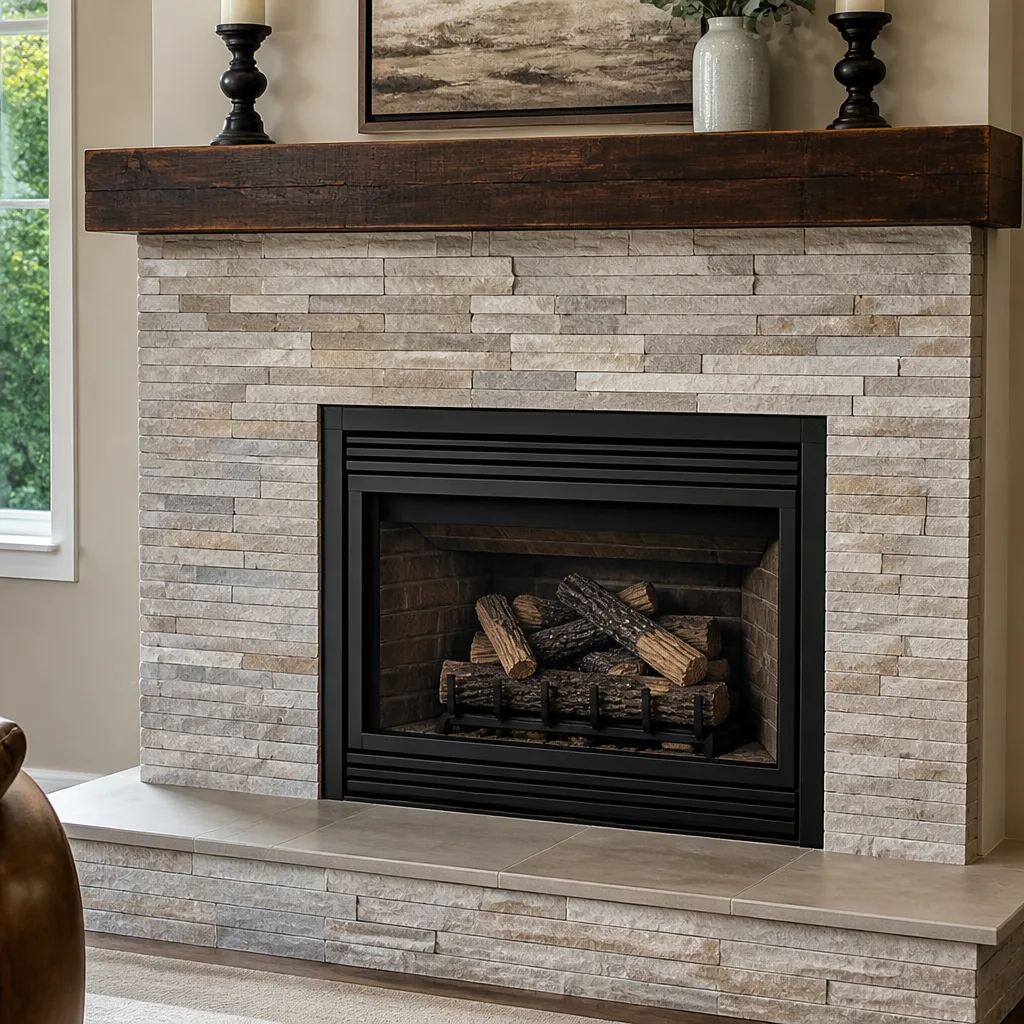 Gas fireplace service
Level 1 sweep and inspection to the NFPA 211 annual standard - flue, crown, cap, and flashing checked and photographed
Chimney sweep logs do not sweep chimneys. They loosen some creosote - which then falls where a brush and vacuum still have to collect it.
Chimney Sweep Troubleshooting in Stockton: Common Problems and How to Fix Them
If your fireplace smokes into the room every time the wind picks up from the Delta, that’s not bad luck. It’s a negative pressure problem, and cracking a window one inch will prove it. Most chimney troubles homeowners write off as “old house quirks” have specific, diagnosable causes, and a trained eye can often pinpoint them in minutes. In our experience, the difference between a chimney that smokes and one that doesn’t usually comes down to one of four things: house pressure, flue size, flue temperature, or a blockage. This guide teaches you to read your chimney’s symptoms the way a specialist does, so you can stop guessing and get the right fix the first time.
Quick Answer
Smoke entering the house, weak draft, mystery odors, and water stains are the four most common chimney problems in Stockton, and each has a distinct cause. Smoke that only appears when it’s windy or when the house is closed up usually points to negative pressure or a cold flue, while persistent odors and staining point to creosote buildup, a missing cap, or moisture in the masonry. A professional inspection identifies which one you’re dealing with before any repair is recommended.
Styles & brands we work with
- Sweep & inspection
- Caps & crowns
- Flue relining
- Masonry repair
- Gas fireplace service
Table of Contents
- Why is smoke coming into the house?
- The four causes of smoke and backdraft
- How tule fog season affects your creosote
- The mystery odor matrix
- How to do a basic draft test
- Two symptoms that are never DIY
- Common mistakes to avoid
- When to call a professional
Why Is Smoke Coming Into the House?
Smoke enters the room when the pressure inside your house is lower than the pressure in the chimney, or when the chimney can’t move enough air upward to carry it out. That’s the whole mechanism. Everything else is a question of which condition is causing it in your particular home.
Stockton sits in the San Joaquin Valley, where the Delta breeze pushes air through on summer afternoons and then the wind drops off completely in winter. That seasonal swing matters. A fireplace that drafts perfectly in July can smoke in January, not because anything changed in the chimney, but because the house is sealed up tight against the cold and the indoor pressure has dropped. Modern windows and weatherstripping in Stockton homes make this worse than it was a generation ago.
Here’s what we watch for when a homeowner describes smoke problems:
- When it happens. Only on windy days, only on cold starts, only after the fire has burned a while, or every single time.
- Where it comes from. A puff at the hearth, a steady roll from the top of the firebox, or a smell with no visible smoke.
- What the house looks like. Tight newer construction, an open floor plan, an exhaust fan running in the kitchen, or a second flue sharing the same chase.
- What the chimney looks like outside. Cap condition, crown cracks, flue height relative to the roofline and nearby trees.
A cap that’s missing or sized wrong is a frequent and easy culprit, and it’s one of the reasons we install chimney repair as part of the same service relationship rather than handing it off. Gelco chimney caps in the correct size, sealed correctly, keep water, animals, and cross-drafts out of the flue. Sometimes the whole fix is a proper cap and a cleaning. Sometimes it’s more.
The Four Causes of Smoke and Backdraft (And the Fix for Each)
Almost every smoking fireplace in Stockton traces back to one of these four causes. Each has a different fix, and mixing them up wastes money. A specialist’s job is to figure out which one you have before recommending anything.
- Negative house pressure. The house is drawing air down the chimney instead of up it. This happens in tight homes, when a kitchen or bath fan is running, or when a second appliance shares the same air supply. The test: crack a window near the fireplace. If the smoke clears immediately, you have a pressure problem, not a chimney problem. The fix usually involves outside air supply, balancing exhaust fans, or adjusting the chimney height.
- Undersized flue. The flue pipe is too small for the fireplace opening. Older Stockton homes sometimes have fireplaces that were built for a particular insert or were modified over the years. An undersized flue can’t move the volume of smoke the fire produces. The fix is a properly sized liner, typically a DuraFlex flexible system sized to the appliance.
- Cold flue syndrome. On a cold morning, the masonry is cold and the air inside the flue is cold. Cold air is heavier, so it sits in the chimney and pushes smoke back into the room until the flue warms up. This is the classic “smokes on cold start” scenario. The fix might be a pre-heat routine, a top-sealing damper, or an insulated liner to keep the flue warmer between fires.
- Partial blockage. Creosote, a bird’s nest, a collapsed flue tile, or a fallen cap can all block the flue partially. Smoke backs up because there’s nowhere to go. The fix is cleaning and inspection first, then repair of whatever caused the blockage.
If you’ve got smoke coming into the room and you’re not sure which category you’re in, that’s the moment for a proper look. Our chimney sweep service starts with an inspection, and we don’t recommend a repair until we can show you what’s actually going on.
How Tule Fog Season Affects Your Creosote
Stockton’s winter tule fog is a real thing, and it changes how creosote forms inside a chimney in ways you won’t read about in a generic homeowner guide. Creosote is a byproduct of incomplete combustion, and it condenses more heavily when the flue is cool and the air is damp. Tule fog is exactly that combination: high humidity, cool temperatures, and long stretches where the chimney doesn’t fully warm up.
What this means practically is that Stockton chimneys can build up glaze creosote faster than chimneys in drier parts of California. Glaze creosote is the hard, shiny, tar-like stage that’s the most flammable and the hardest to remove. It doesn’t come off with a standard brush pass; it needs either chemical treatment or a professional sweep’s attention.
A few things we pay attention to during fog season that homeowners might miss:
- Burn dry wood. Wet wood produces more smoke, more condensation, and more creosote. Seasoned wood that’s been split and dried makes a real difference in a damp climate.
- Don’t smolder. A slow, smoky fire in a cool flue is the creosote factory. Hotter fires, with enough air, burn cleaner.
- Sweep before the burning season, not after. If you wait until spring, you’ve spent all winter burning on top of last year’s creosote. A clean flue going into fall is the safer setup.
- Watch for a damper left partially closed. It’s the most common cause of a choked, smoky fire we see during foggy months.
We also work with HeatShield ceramic restoration on flues where the interior surface has deteriorated. It’s a code-compliant way to resurface a flue without a full replacement, and it’s particularly useful in older Stockton homes where the original clay tile has started to break down.
The Mystery Odor Matrix: What Each Smell Tells You
A chimney that smells wrong is telling you something structural. The specific smell is a clue, and experienced technicians use these distinctions to narrow down the cause before they even open the flue. Here’s how the smell maps to the problem.
- Musty, damp, or “basement” smell. Moisture is getting into the masonry. This usually means a missing or damaged cap, a cracked crown, or failing flashing where the chimney meets the roof. Water in the chimney chase leads to spalling brick and, eventually, structural damage. This is not a smell to ignore.
- Asphalt, tar, or “hot roof” smell. Glazed creosote. The hard, shiny third stage of creosote has a distinctly tarry odor, and it’s the most flammable stage. If you smell tar on a warm day with no fire burning, that’s a sign the buildup is significant.
- Campfire or smoke smell with no fire burning. This is usually a draft problem. The chimney is pulling air the wrong way, or the house pressure is pushing odors down the flue. A top-sealing damper or a properly fitted cap often solves it.
- Chemical or acrid smell. Sometimes a sign of an animal problem, a nest, or debris decomposing in the flue. It needs a physical inspection, not a spray.
- “Nothing burning” smell after a rainstorm. Almost always water intrusion. Check the cap and the crown first.
We install custom-sized Gelco caps and use Copperfield specialty components when the chase needs repair around a cap. The point isn’t the brand names. The point is that a cap must be sized to the flue opening and sealed correctly, or it creates its own draft problems.
How to Do a Basic Draft Test Before You Call Anyone
You can check whether your chimney is actually drafting before you spend money on a service call, and knowing the answer makes the conversation with a technician more useful. This is a simple, low-risk test. Keep it basic and don’t go beyond it.
- Open the damper fully. A closed damper looks like a draft problem and isn’t one.
- Make sure the firebox is empty and cold. No hot embers, no ash pile, no recent fire.
- Light a match or a small piece of rolled paper. Hold it near the open damper, inside the firebox, and watch the flame and smoke.
- Watch the smoke. If it’s drawn steadily up the flue, you have draft. If it hangs, wavers, or comes back toward you, you have a draft problem.
- Crack a window near the fireplace. Repeat the test. If the smoke clears immediately with the window cracked, you have a negative pressure problem. If it still hangs, the cause is inside the flue.
That’s the whole test. Anything beyond this, including opening the flue, examining tiles, or working near the top of the chimney, is a job for a professional. The purpose of this test is diagnostic, not a repair. It gives you a first read on whether you’re dealing with house pressure or a chimney issue, and that distinction directs what happens next.
If the test points to a chimney issue, our Stockton Chimney Sweep team can come out, run a proper inspection, and show you what’s happening inside the flue with a camera before we make any recommendation.
Two Symptoms That Are Never DIY Territory
Two findings on a chimney are always a call-a-professional situation. They look minor. They aren’t. Knowing them is part of what makes the draft test above safe to do yourself.
White efflorescence on the firebox. A powdery white stain on brick or mortar around the firebox is a sign of water moving through the masonry and depositing salts as it evaporates. It’s not cosmetic. It means moisture is getting in from somewhere, and the masonry around it is actively deteriorating. Ignoring it leads to spalling brick, cracked mortar joints, and eventually structural damage that costs far more to fix than the original leak would have. It requires an inspection to find the water source, and repair to the masonry and the entry point.
Spalling interior brick. Spalling is the flaking and breaking away of the brick surface itself. Inside a firebox, it means the brick has been exposed to moisture or extreme heat and is losing integrity. A firebox with spalling brick is not a firebox you should burn in until it’s been inspected. The refractory material (the brick, mortar, and firebox lining) is what protects the house from the heat of the fire. When it’s compromised, the risk is real. This is a repair, not a cleaning, and it’s done with proper materials like HeatShield on the flue and firebox-focused masonry work, never with a patch-and-paint approach.
Common Mistakes to Avoid
- Burning wet or unseasoned wood because it’s cheap. In Stockton’s fog season, damp wood is a creosote problem waiting to happen. The money you save on wood shows up as a bigger sweep or a liner repair later.
- Skipping the annual sweep because “we only burn a few fires a year.” Low use still produces creosote, and low use means the flue sits cold and damp for months. That’s the exact condition where creosote condenses hardest.
- Assuming smoke is a chimney problem. Half the smoking fireplaces we see in Stockton are actually house-pressure problems. Replacing the liner won’t fix a house that’s pulling air the wrong way.
- Letting a general handyman “clean” the chimney. A chimney sweep is a specialist trade. A general contractor who cleans chimneys on the side doesn’t have the camera equipment, the training, or the product knowledge to spot a failing flue tile.
- Ignoring a smell because “it goes away.” Musty smells don’t fix themselves. They get worse slowly, and the underlying moisture damage compounds.
- Sealing the top of the chimney with a homemade cap or a piece of mesh. A cap that’s too small, sealed incorrectly, or made of the wrong material restricts draft and traps moisture. It has to be sized and sealed properly.
- Putting off a liner decision to save money right now. If a flue is compromised, no amount of cleaning makes it safe. HeatShield restoration or a DuraFlex reline is the fix, and delaying it just adds risk to every fire you burn.
See the difference
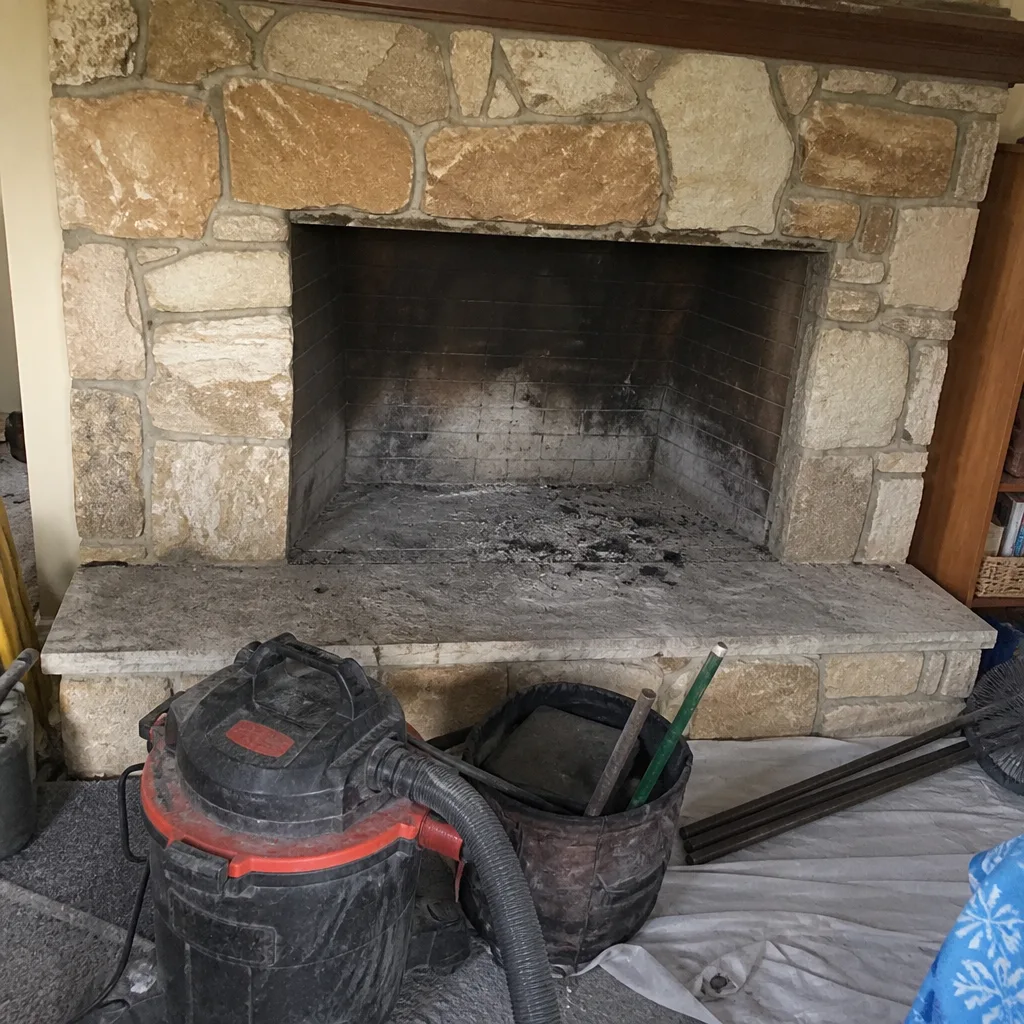 Before
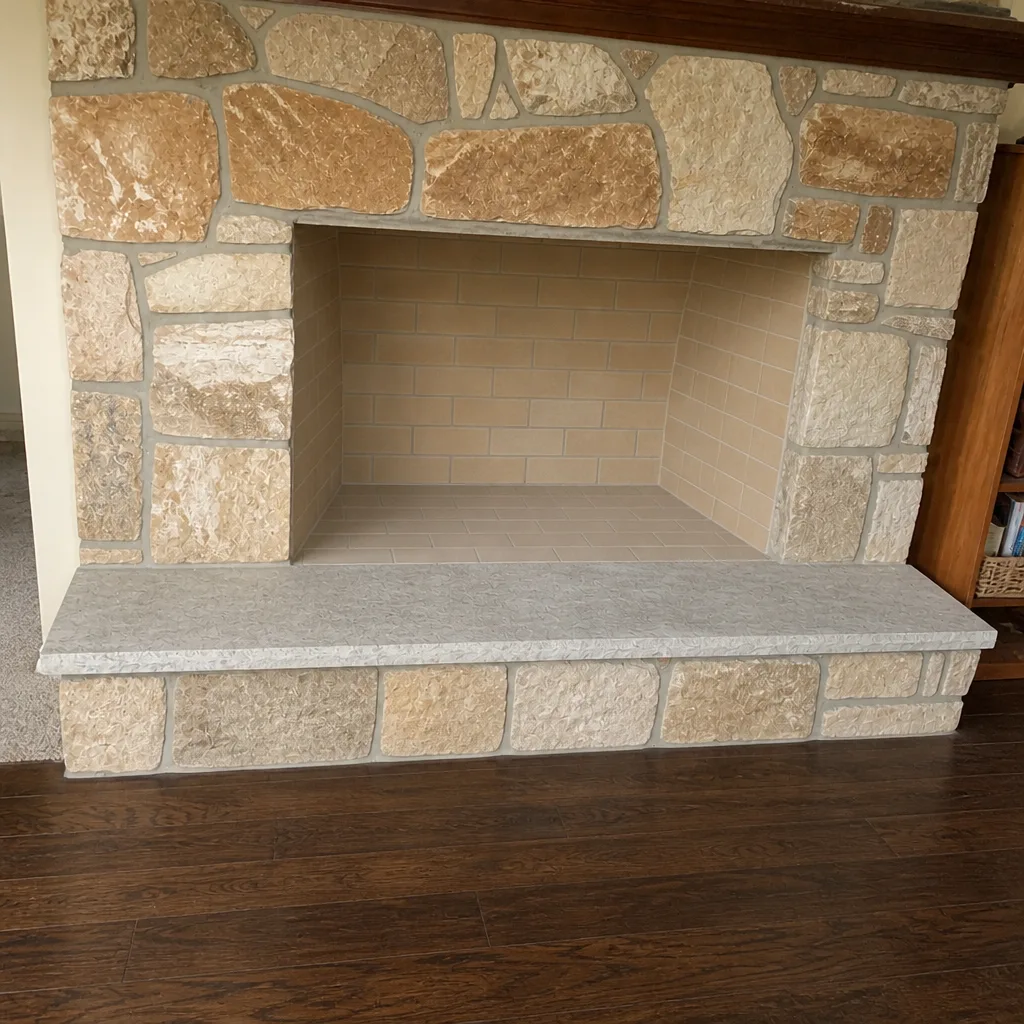 After
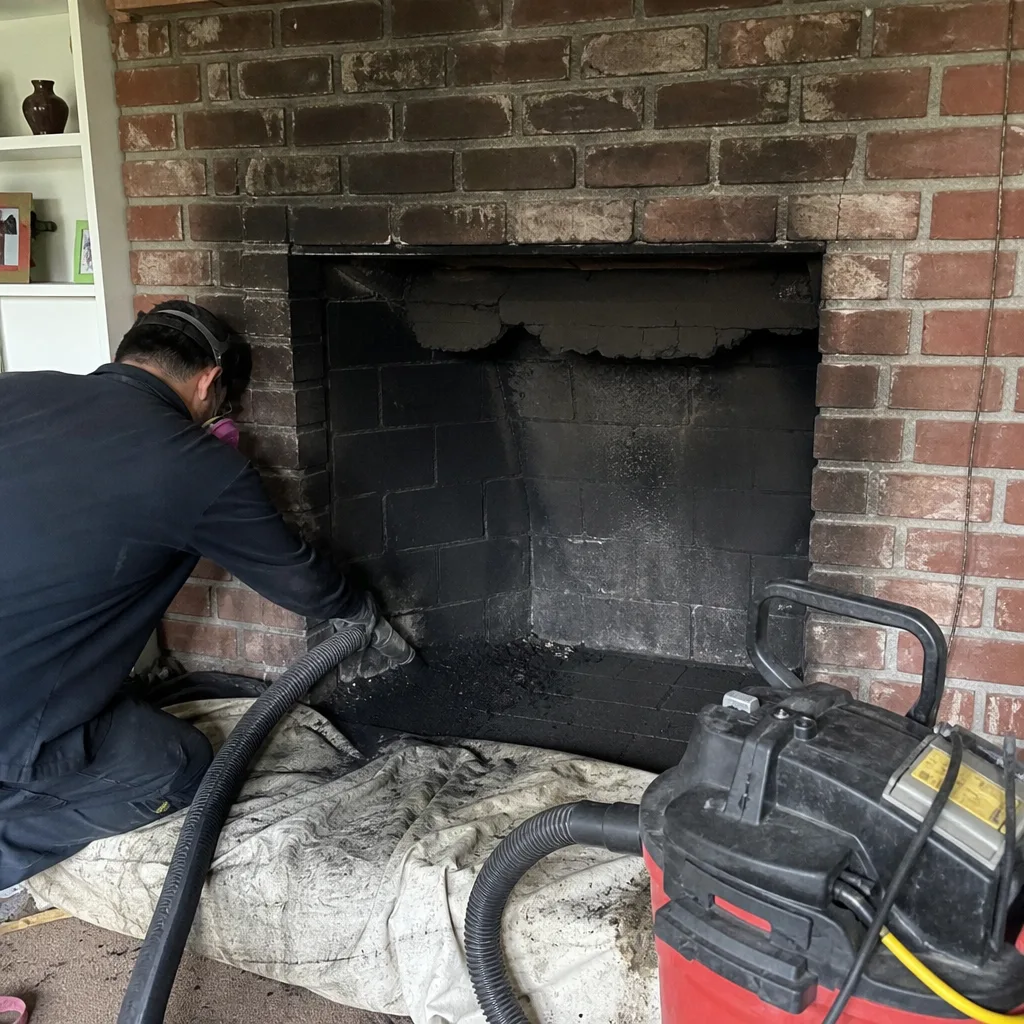 Before
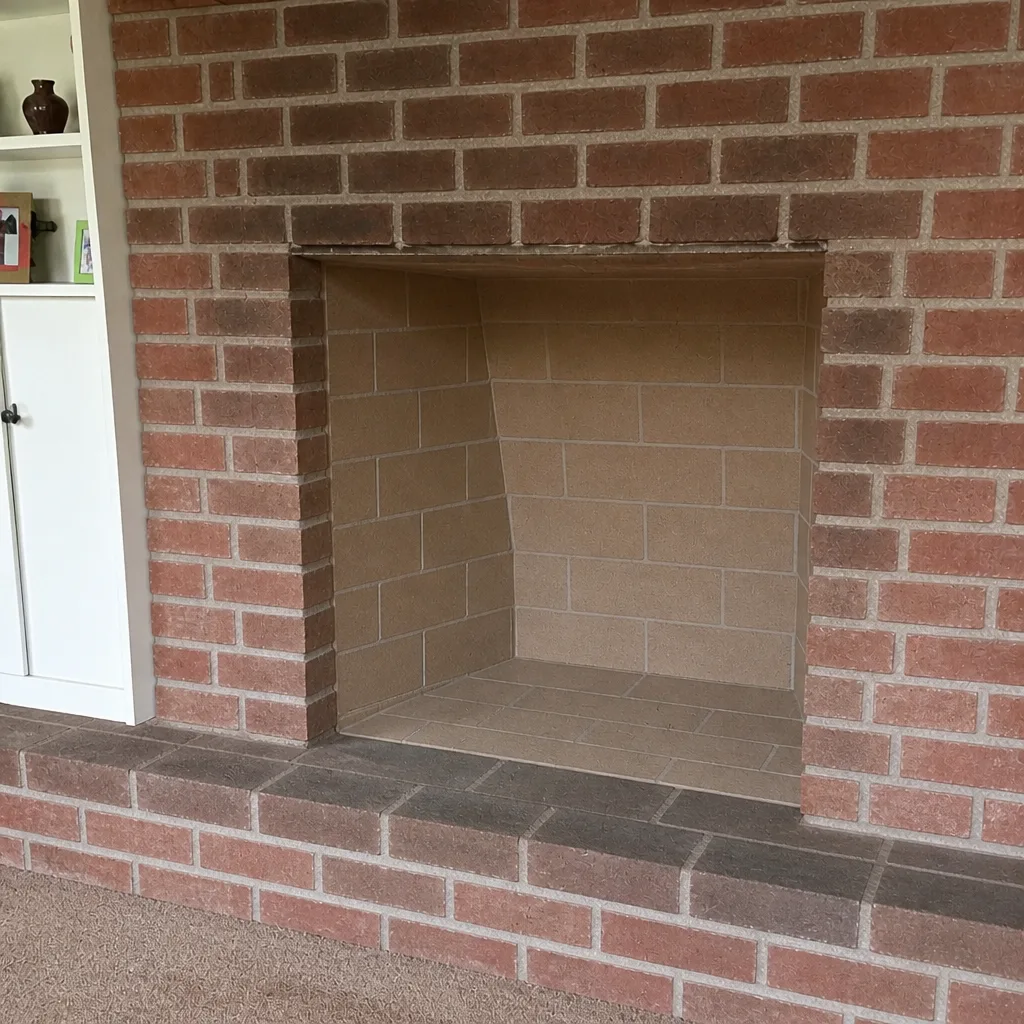 After
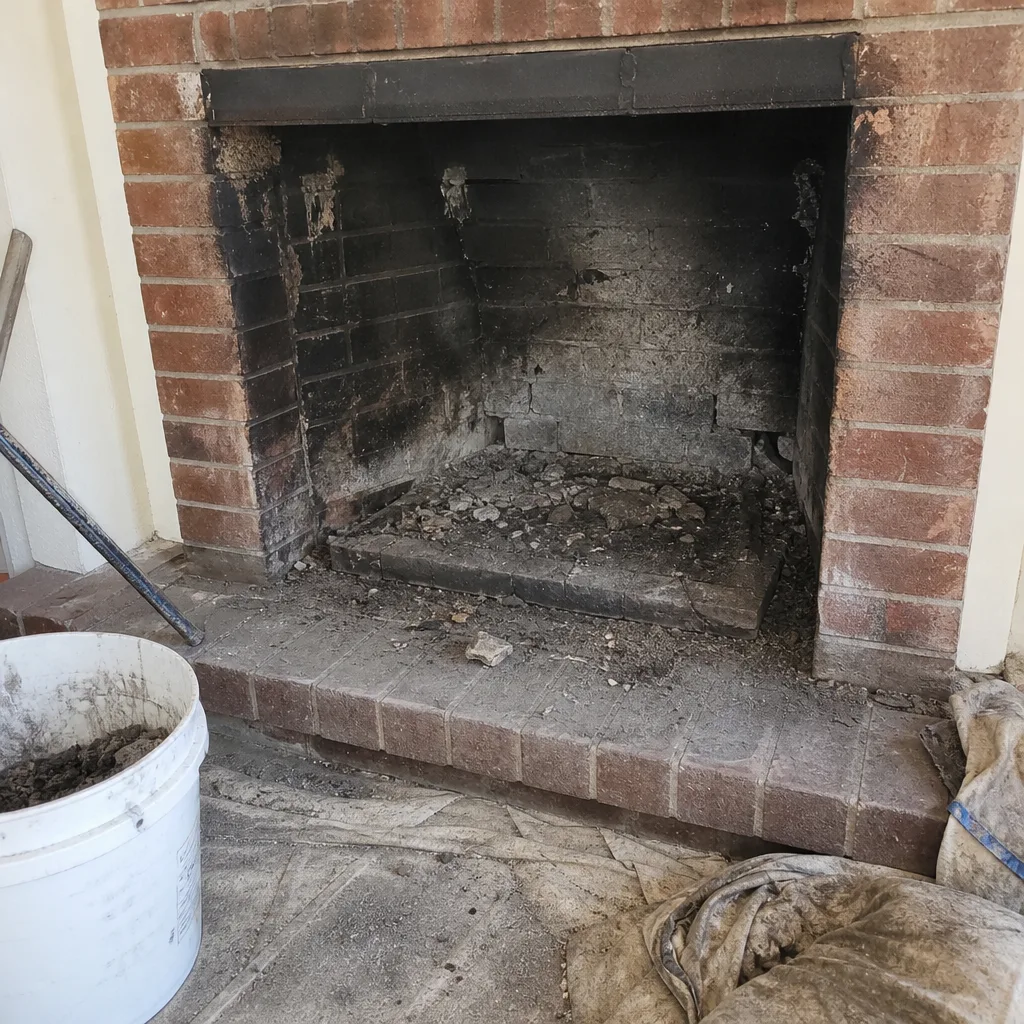 Before
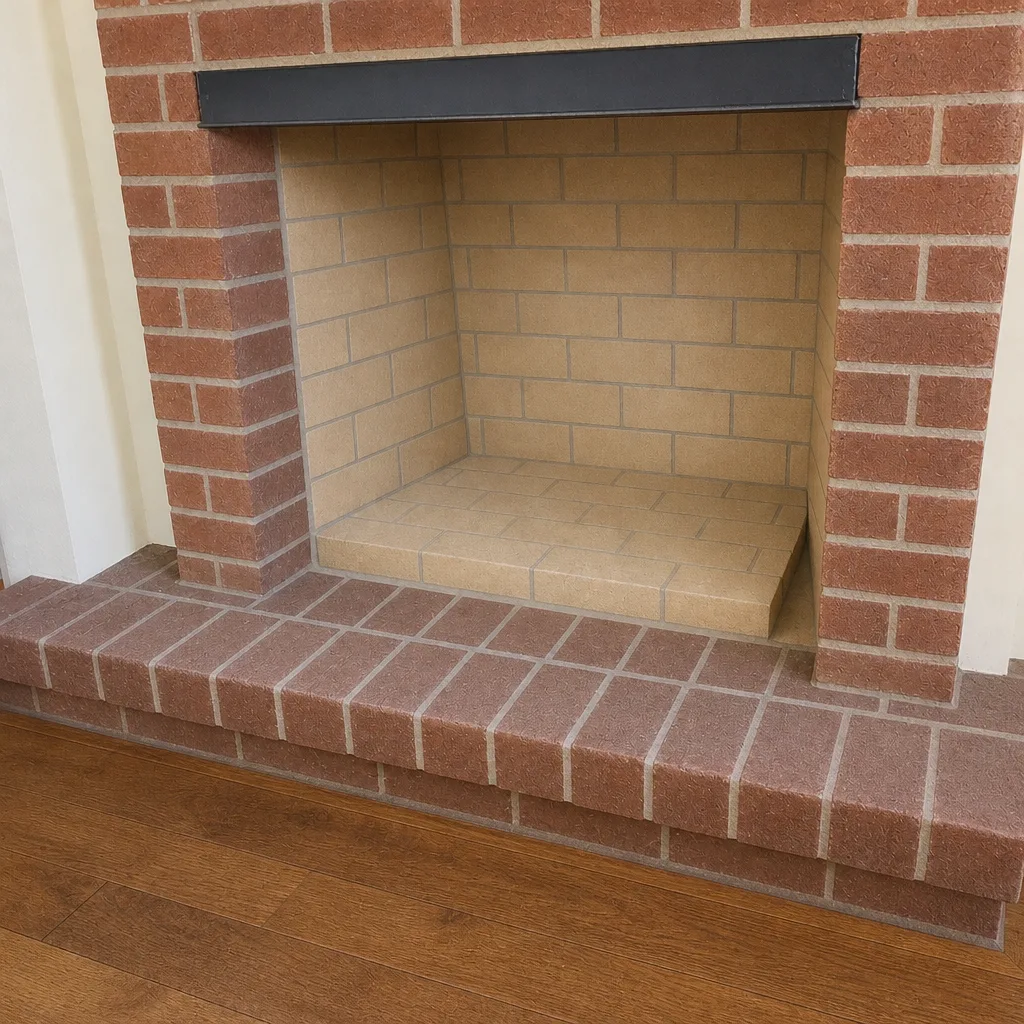 After
When to Call a Professional
Call a specialist when you’ve got smoke entering the room and the draft test doesn’t resolve it, when you find white efflorescence or spalling brick, when you smell musty or tarry odors with no fire burning, or when it’s simply been more than a year since the last sweep. Call sooner if the chimney has visible damage on the exterior, if water is getting in, or if the firebox brick looks broken or flaking.
Stockton Chimney Sweep offers free estimates in Stockton. Call (877) 516-9568. We answer 24/7. Fast dispatch from 7am to 7pm, Sunday through Friday. What we recommend always starts with an inspection and camera evidence, so you’re never asked to approve work without seeing the reason for it.
Frequently Asked Questions
The typical range for a chimney sweep in Stockton depends on the flue, the level of buildup, and whether a camera inspection is included. Most sweeps fall in a few hundred dollars, with additional work (like a cap, a liner, or HeatShield restoration) quoted separately. Call (877) 516-9568 for an exact quote. The estimate is free, and the written estimate sets the final price.
Only if the inspection shows the existing flue is compromised, undersized, or damaged. A liner is not a default recommendation. If the interior tiles are intact and correctly sized, a cleaning is all you need. When the tiles are damaged but the flue is otherwise structural, HeatShield ceramic restoration can often be the answer instead of a full replacement. We don’t recommend either without camera evidence you can see. Call (877) 516-9568 to book an inspection.
Once a year for most wood-burning fireplaces, and more often if you burn frequently or notice any of the symptoms in this guide. Gas fireplaces usually need less frequent sweeping but still need inspection, since a failing vent on a gas appliance is a carbon monoxide risk. If it’s been more than a year, book a sweep before the burning season starts. Call (877) 516-9568.
Creosote builds up, and glazed creosote is highly flammable. A chimney fire is a real risk, and the damage it does can be hidden behind the masonry where it’s not visible until something fails. Skipping a sweep also means small problems (a cracked crown, a failing cap, a compromised tile) go uncaught until they’ve turned into bigger repairs. Call (877) 516-9568 to get it on the calendar.
Wind-driven smoke is usually a negative pressure problem or a flue-adjacent draft issue, and it’s especially common when the Delta breeze picks up or when the house is closed up tight. Crack a window near the fireplace and see if the smoke clears. If it does, you’re dealing with house pressure. If it doesn’t, the cause is in the flue. Call (877) 516-9568 for a diagnostic visit.
White efflorescence is a sign of water moving through the masonry, and it’s a repair issue, not a cleaning issue. It isn’t an immediate health hazard, but it means the masonry is deteriorating, and the source of the moisture needs to be found and fixed before the damage spreads. Call (877) 516-9568 and we’ll inspect it.
The Bottom Line
Most chimney problems in Stockton come down to four things: house pressure, flue sizing, flue temperature, and blockage. The draft test in this guide tells you which category you’re likely in before you spend a dollar, and two symptoms (white efflorescence and spalling brick) always mean it’s time to stop and call. We’ve built our Stockton service around the idea that an inspection comes first, the recommendation follows the evidence, and the repair is done with professional-grade materials like DuraFlex, HeatShield, and Gelco, not generic substitutes. Book a sweep or inspection, and you’ll know exactly what your chimney needs rather than guessing.
If you’re ready to get to the bottom of what your chimney is doing, our team is here. We’re chimney-only specialists: inspect, clean, and repair in one focused service relationship. Call (877) 516-9568 for a free estimate. We answer 24/7. Fast dispatch from 7am to 7pm, Sunday through Friday.
Written by the team at Stockton Chimney Sweep.