
Last updated November 16, 2026
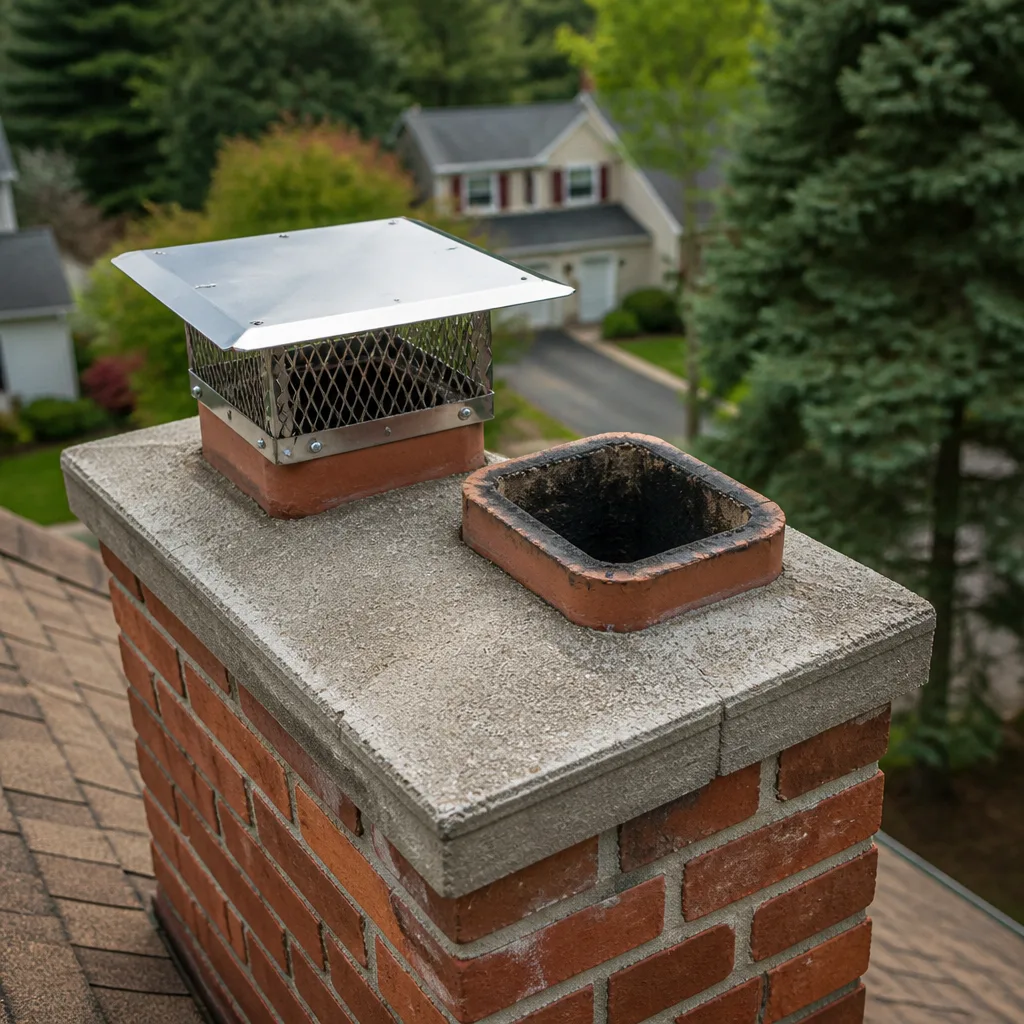 Sweep & inspection
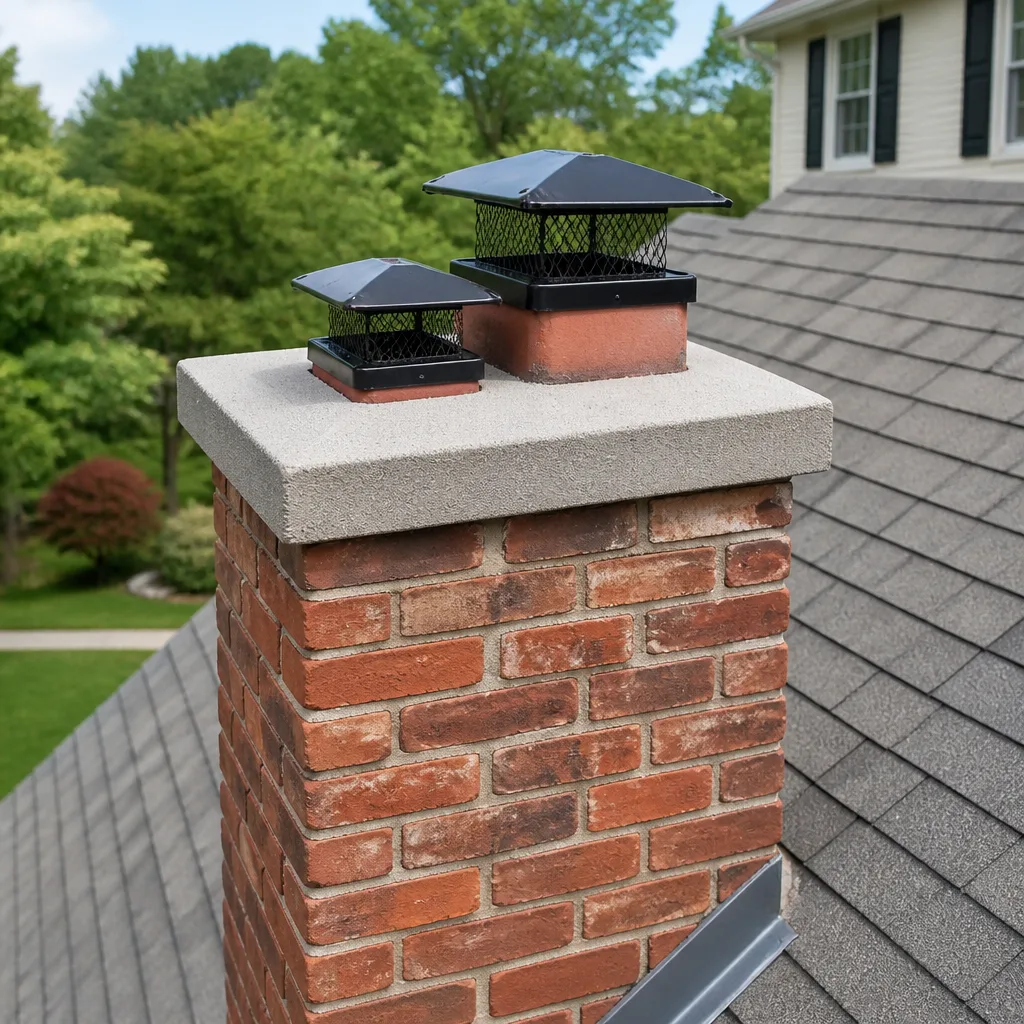 Caps & crowns
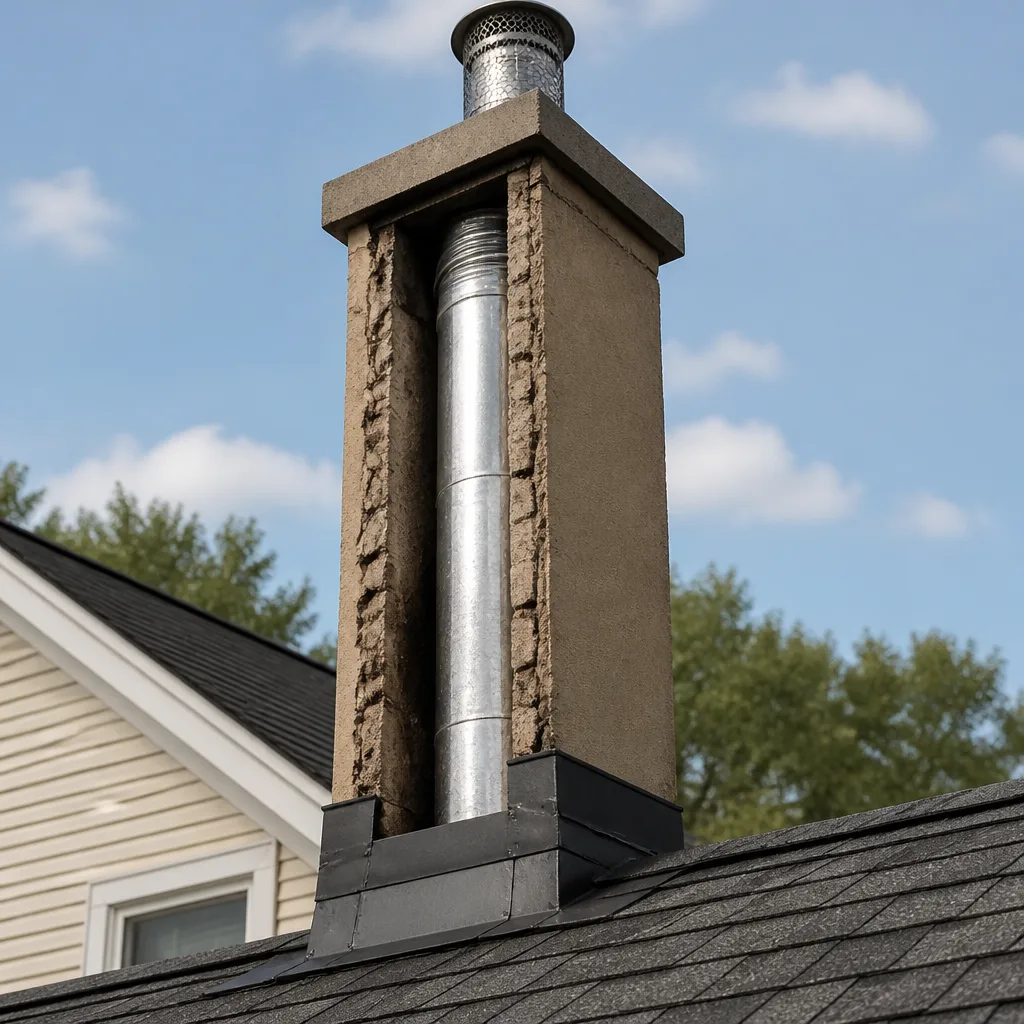 Flue relining
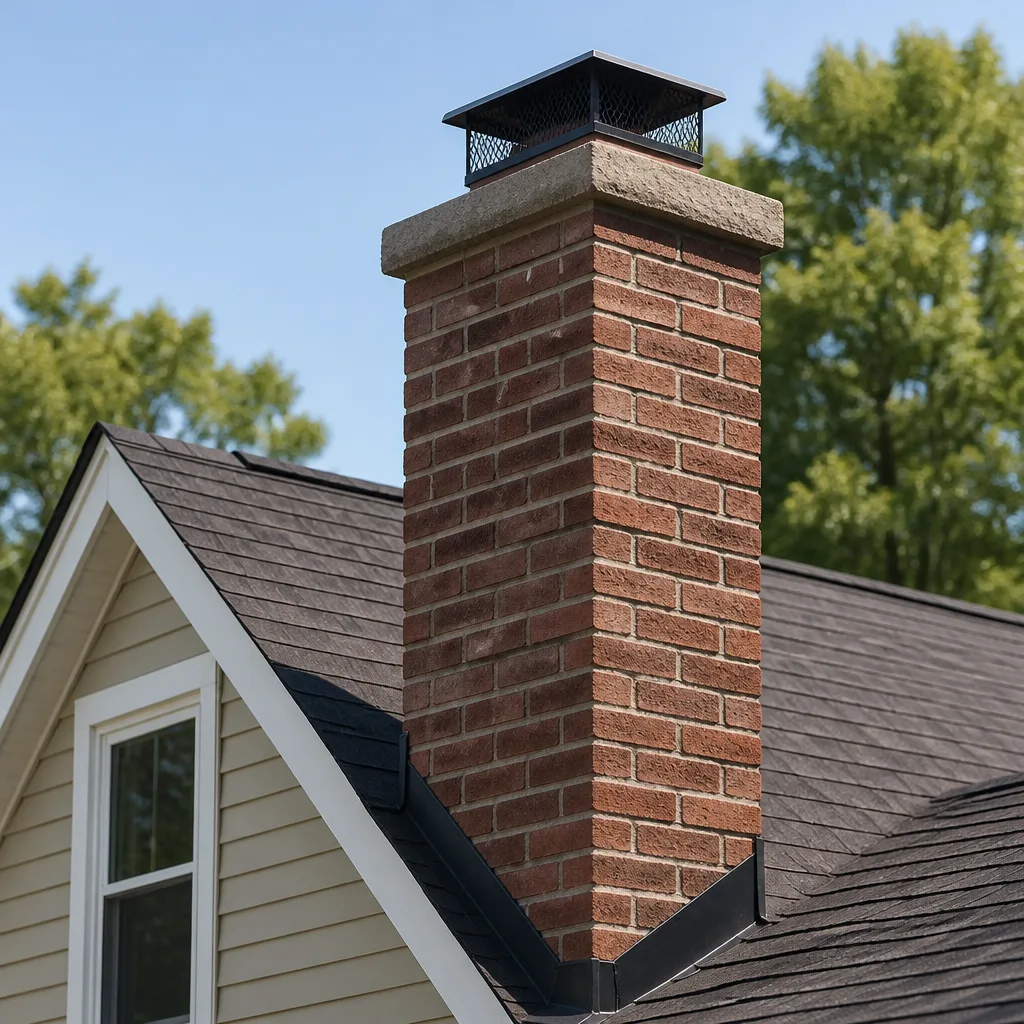 Masonry repair
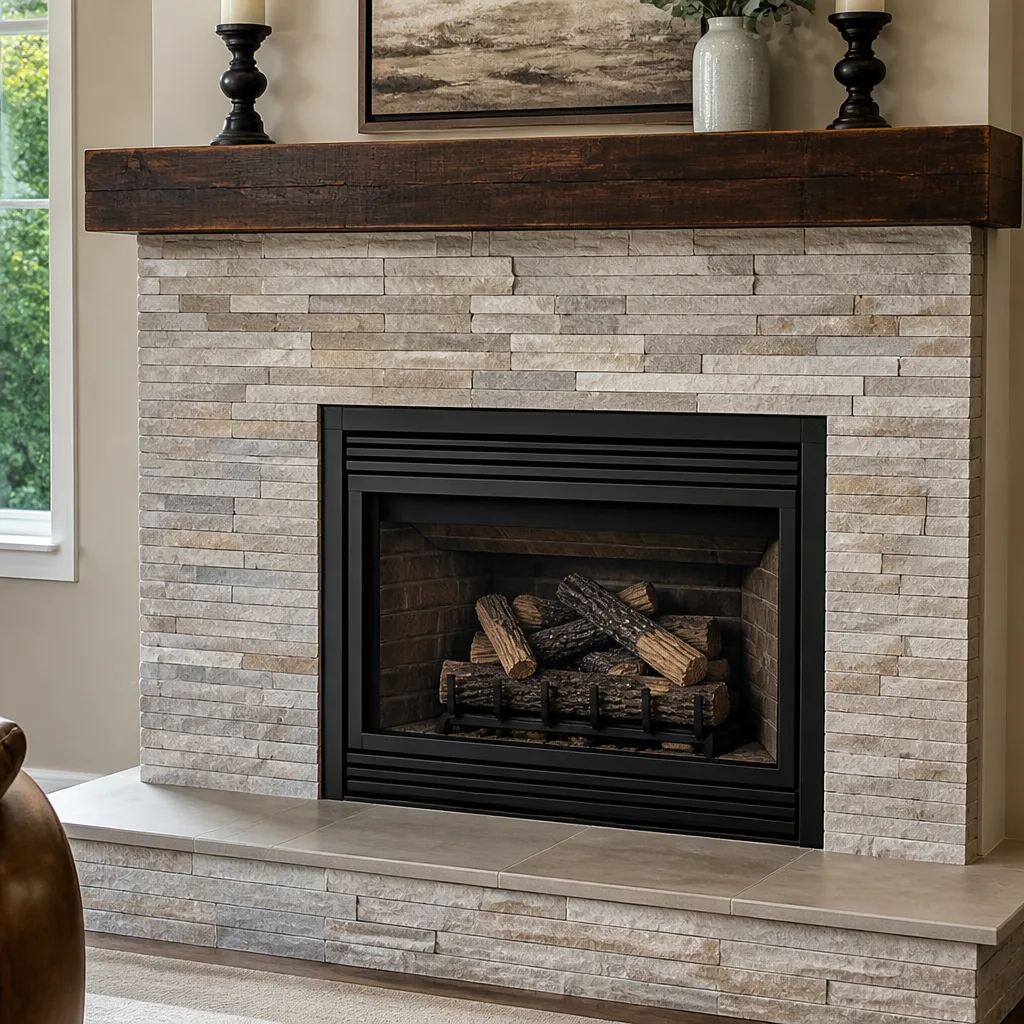 Gas fireplace service
Level 1 sweep and inspection to the NFPA 211 annual standard - flue, crown, cap, and flashing checked and photographed
Chimney sweep logs do not sweep chimneys. They loosen some creosote - which then falls where a brush and vacuum still have to collect it.
Chimney Sweep Maintenance Schedule: What to Do and When
The worst time to find out your chimney cap has rusted through is the first cold evening in November. But that damage did not appear overnight. It started months earlier, when spring rain sat in a flue nobody looked at all summer. Most homeowners treat the chimney like a once-a-year chore: call for a sweep in the fall, forget it until next fall. That single sweep is the floor, not the ceiling. What actually protects a chimney in Stockton is a calendar built around the burn season, the dry offseason, and the quiet gap months when small problems quietly get worse. This guide lays out exactly what to do in each quarter, which inspection fits which moment, and how to spot trouble from the ground before it turns into a repair. Stockton winters are mild, so the risk here is rarely a freeze. It’s water, creosote, and time.
Quick Answer
Plan on an annual chimney sweep and a Level 1 inspection once a year, plus a mid-season creosote check if you burn heavily or burn resinous woods like eucalyptus. In Stockton, the smart rhythm is: a post-burn inspection in March, a moisture check in June, a pre-season sweep in September, and a mid-season creosote check in January. A Level 2 inspection belongs at any change of ownership, after a chimney fire, after any event that may have damaged the flue, or when you switch fuel types. A Level 3 inspection is reserved for a known or suspected hazard hidden behind masonry or in a concealed flue.
Styles & brands we work with
- Sweep & inspection
- Caps & crowns
- Flue relining
- Masonry repair
- Gas fireplace service
Table of Contents
- Why an Annual Sweep Is the Floor, Not the Ceiling
- Your Quarter-by-Quarter Stockton Chimney Calendar
- Level 1, Level 2, or Level 3: Which Inspection and When
- Wood Type and Burn Frequency: When You Need a Mid-Season Sweep
- The Ground-Level Cap, Crown, and Flashing Check
- What “Annual” Actually Means for Insurance and Home Sales in California
- What a Sweep Does That You Can’t Do From the Ground
- Common Mistakes to Avoid
- When to Call a Professional
- Frequently Asked Questions
- The Bottom Line
Why an Annual Sweep Is the Floor, Not the Ceiling
A once-a-year sweep clears what has built up, but it tells you nothing about what happened during the eleven months since the last one. Think about what a chimney actually faces in Stockton across a year. In winter it handles smoke, creosote, and heat. In spring and summer it handles something different: sun on the crown, rain against the cap, and a long dry stretch when nobody thinks to look inside the flue. That gap is where the expensive problems grow. A hairline crack in the crown lets water in. Water finds the mortar. The mortar softens. The flue lining starts to break down. None of it makes a sound, and none of it shows up until you light a fire and smell something wrong.
The CSIA, the Chimney Safety Institute of America, recommends that chimneys be inspected annually and swept as needed. That word “as needed” is doing a lot of work. A light user with a clean-burning stove might genuinely only need a sweep every other year. A household that burns eucalyptus every cold evening might need a sweep mid-season. The schedule below treats the annual inspection as the anchor and the sweep as the event that follows from what the inspection finds. That’s the honest way to do it, and it’s how we approach every job at Stockton Chimney Sweep.
Here’s the practical difference. A sweep at the wrong time of year is wasted effort. Sweep in September and you go into burn season with a clean flue, which is exactly what you want. Sweep in November after three weeks of fires and you’ve cleaned a flue that immediately gets dirty again. The timing matters as much as the task.
Your Quarter-by-Quarter Stockton Chimney Calendar
Here is the schedule in its simplest form. Four windows a year, each with a specific job. None of them takes long, but each one prevents a different category of problem.
- March (post-burn inspection): Burn season winds down. Before you close the fireplace for the year, get the flue inspected. This is when you catch creosote buildup, cracked flue tiles, or a damaged damper while the evidence is fresh. It’s also when you want to find any problem that a long, hot burn season created, so you have the spring and summer to schedule the chimney repair before you need the fireplace again.
- June (moisture check): By mid-summer, the chimney has sat through spring rain with no fire to dry it out. This is the moment to check the crown, cap, and flashing for water intrusion. Water damage compounds quietly, and June is the cheapest time to catch it because you have months to fix it before the first cold snap.
- September (pre-season sweep): The most important window. Get the flue swept and a Level 1 inspection done before the first fire of the season. You go into winter with a clean, verified flue. This is the sweep most homeowners already know they need.
- January (mid-season creosote check): If you burn heavily, or burn woods like eucalyptus or almond, a mid-season look at creosote levels is worth it. Heavy creosote is the fuel for a chimney fire, and it builds faster than most people expect during a hard winter.
That’s the annual rhythm. Notice that two of the four windows (March and June) happen outside burn season entirely. Those are the checks that catch water and structural damage while there is time to fix it calmly. The September sweep and the January check handle the fire-season risks of creosote and draft. Together they cover the whole year, not just the part when the fireplace is lit.
Level 1, Level 2, or Level 3: Which Inspection and When
Not every inspection is the same, and the mistake homeowners make is assuming “an inspection” is one thing. The CSIA defines three levels, and each one fits a different moment. Here is the plain-language version.
Level 1 Inspection
A Level 1 is a visual check of the readily accessible parts of the chimney and venting: the firebox, damper, visible flue, cap, and exterior where you can see it without tools or opening anything up. It’s the standard annual inspection and it’s what you pair with your September sweep. If nothing has changed since the last inspection and you haven’t had a fire event, a Level 1 is sufficient.
Level 2 Inspection
A Level 2 goes further. It includes everything in a Level 1 plus accessible portions that a Level 1 doesn’t reach, often with a camera to see down the flue. It also covers the attic, crawlspace, and other accessible areas where the chimney passes through. A Level 2 is triggered by specific events:
- A change of ownership (a home sale)
- After a chimney fire, even a small one
- After any event that may have damaged the chimney: an earthquake, a severe storm, a lightning strike, or a nearby structural change
- When you switch fuel types, for example from wood to gas
- When you notice a new problem: odor, draft, or visible damage
Level 3 Inspection
A Level 3 is the rare one. It happens when a serious hazard is known or suspected in a concealed area and getting to it requires opening up masonry or a concealed flue. You don’t schedule a Level 3 unless a Level 1 or Level 2 has already flagged something. It’s not routine, and any honest inspector will tell you it’s a last resort, not an upsell.
Here’s the short version for your calendar: a Level 1 every year in September, a Level 2 at any of those trigger events (the big one for most homeowners is buying or selling the house), and a Level 3 only if a lower level points to a hidden problem. If a company shows up for a routine sweep and tells you that you need a Level 3 on the spot, ask what the Level 1 or Level 2 found first. That’s the order of operations.
Wood Type and Burn Frequency: When You Need a Mid-Season Sweep
Not all firewood creates creosote at the same rate, and in Stockton the local wood supply matters. Almond wood is common here, and eucalyptus is everywhere. Both burn hot and both produce meaningful creosote, and eucalyptus in particular is resinous. The practical rule: creosote buildup correlates with how much you burn and how wet the wood is. Wet wood and resinous wood make it worse.
Here’s how to judge whether the January mid-season check is worth it for you.
- Light use (a few fires a month): A single September sweep is usually enough. No mid-season check needed.
- Regular use (fires most evenings in winter): A mid-season creosote check is worth scheduling, especially if you burn eucalyptus or almond.
- Heavy use (daily fires, long burns): Plan on the January check as standard, and be ready for a mid-season sweep if creosote is building faster than expected.
- Seasoned vs. green wood: Green or unseasoned wood smokes more and deposits more creosote. If you’re burning wood that hasn’t dried properly, your creosote builds faster regardless of how often you clean.
An easy way to stay ahead of this is to watch the fire itself. A well-drawn fire burns hot and clean. A smoky fire, or one that smolders, is depositing creosote as you watch it. If you notice dark, sticky, or flaky deposits when you look up into the firebox, that’s your signal to book a check rather than wait for September. A mid-season sweep is not an overreaction in a hard-burning Stockton household. It’s the difference between a clean flue and a flue carrying a dangerous load of fuel into the next fire.
The Ground-Level Cap, Crown, and Flashing Check
You don’t need to climb anything to catch the three most common water-damage problems. A pair of binoculars and five minutes from the yard will show you most of what matters. Here is what to look at, in order, in your June moisture check.
- The cap. Look at the top of the chimney where the flue pokes out. There should be a cap covering it: a metal or mesh structure that keeps rain, animals, and debris out while letting smoke through. Check for rust, holes, a bent or missing top, or a cap that looks loose. If the cap is failing, water is going straight down the flue. We supply and install chimney repair-grade components like Gelco caps, sized and sealed to keep water and wildlife out.
- The crown. The crown is the concrete or masonry top surface that slopes away from the flue. It should slope toward the edges so water runs off. Check for cracks, crumbling edges, or a crown that looks flat or sagging. A cracked crown lets water soak into the masonry below it, and that is where expensive damage starts.
- The flashing. This is the metal seal where the chimney meets the roof. Check for gaps, lifted edges, cracked sealant, or rust. Flashing failures are one of the most common sources of chimney water intrusion, and they’re easy to spot from the ground if you know where to look.
What you’re looking for is change. A chimney cap that looked solid last summer and now shows rust streaks is a cap that may not make it through the next rainy season. A crown that had a hairline crack in March and shows a wider one in June is a crown that needs attention before winter. The binocular check doesn’t replace the inspection, but it tells you what to ask about when you book it. Caught from the ground in June, a cap or flashing problem is a small repair. Caught in November because the flue filled with water all summer, it’s a bigger one.
What “Annual” Actually Means for Insurance and Home Sales in California
Homeowners often ask whether “annual” is a legal requirement or just a recommendation. Here’s the honest answer: in California, there is no state law that says you personally must sweep your chimney every year. What exists is a set of expectations that show up at the moments when it matters most: insurance, a home sale, and any dispute over a fire.
Industry standard, meaning the CSIA and the National Fire Protection Association, calls for an annual inspection and a sweep as needed. Insurers generally expect that a homeowner maintains the chimney and fireplace in reasonable working order. If a chimney fire damages the home, an insurer may ask for records of maintenance. A homeowner who can show a recent inspection report is in a very different position than one who can’t. This is where a written inspection report with a photo record becomes your proof.
For a home sale, “annual” becomes more concrete. A Level 2 inspection is the standard expectation during a real estate transaction because the buyer wants to know what they’re getting. A seller who has a recent Level 2 report has already answered the questions a buyer’s inspector will raise. A seller who hasn’t may find the inspection becomes a negotiation. In Stockton, with so much of the housing stock older and so many homes heated by wood or gas fireplaces, a recent chimney report is one of the simpler ways to keep a sale from stalling.
The practical translation: treat “annual” as a habit, not a formality. Do the September inspection every year, keep the written report, and you’ll have the documentation that insurers and buyers ask for. If you’re buying or selling a home in Stockton, book the Level 2 before anyone asks for it.
What a Sweep Does That You Can’t Do From the Ground
The ground check catches water damage. What it can’t catch is what’s happening inside the flue. That’s the part a professional sweep exists to handle, and it’s worth understanding what the difference is between a real sweep and a brush-and-go.
A proper sweep uses brushes and rods sized to the flue, with the fireplace and surrounding area protected first. The technician works the full length of the flue, not just the firebox, and removes the creosote that has collected along the walls. Then comes the part that matters more: the inspection. A camera inspection lets the technician see the inside of the flue and identify cracked tiles, gaps, or deterioration you could never see from below. A photo or video record goes to you, so you can see exactly what the technician saw. That record is the difference between a recommendation you have to take on faith and one you can verify.
Our technicians have up to 13 years of experience, and that experience concentrates on one trade. We’re a chimney-only specialist, so the person sweeping your flue also knows relining, restoration, and repair. We work with a defined set of professional-grade brands, including HeatShield ceramic flue resurfacing for restoring a deteriorating flue without a full replacement, and DuraFlex flexible liners for relining older or irregular flues without tearing into the masonry. If a repair is needed, we can discuss restoration and replacement options honestly, because we see both every week.
Nothing about this is designed to sell you a repair you don’t need. The inspection comes first, the evidence comes with it, and the recommendation follows from what the camera shows. If your flue is clean and healthy, that’s the answer. Book a chimney sweep when you’re ready and find out where you actually stand.
Common Mistakes to Avoid
- Waiting until November to look at anything. By the time the first fire is lit, the rainy season has already done its work. If there’s a cap or flashing problem, it’s been soaking for months. Do the June check and the September sweep so you’re already covered.
- Assuming the fall sweep is the whole schedule. One annual sweep cleans the flue but tells you nothing about what happened outside it in the four seasons since. The post-burn and moisture checks are the ones that catch structural and water problems before they compound.
- Burning unseasoned wood because it’s what’s available. Green wood smokes, smolders, and deposits creosote faster. In a household burning eucalyptus or almond heavily, wet wood plus heavy use is the combination that turns a clean flue into a dangerous one between checks.
- Treating a Level 1 inspection as enough after a fire event. A chimney fire, even a small one, is a Level 2 trigger. Skipping the deeper inspection after a fire event is how a hidden crack goes unnoticed into the next season.
- Relying on a generalist for chimney work. A handyman who cleans chimneys on the side rarely carries the materials or the diagnostic depth for relining and restoration. Chimney work concentrates in one trade for a reason: the inspection, the cleaning, and the repair are all connected.
- Skipping the ground check because “the sweep will catch it.” The sweep happens once a year. A cap that rusts through in June won’t be seen until September at the earliest. The binocular check costs five minutes and catches problems mid-season.
- Ignoring odor or draft changes. A new smell or a fire that doesn’t draw as well as it used to is a signal, not a quirk. Both are often the first sign of a blockage, a damaged flue, or a cap problem that the ground check would reveal.
When to Call a Professional
Get a professional in before you light the next fire if any of these apply:
- You’ve never had the chimney inspected and don’t know its history
- You had a chimney fire, even a small one you put out yourself
- You notice new odor, a stubborn draft, or smoke coming back into the room
- You see visible cracks in the firebox, flue tiles, crown, or cap
- You’re buying or selling the home and need a Level 2 inspection
- It’s been three or more years since the last sweep
If you’re in any doubt, the inspection is the answer. Stockton Chimney Sweep offers free estimates in Stockton. Call (877) 516-9568. We answer 24/7. Fast dispatch from 7am to 7pm, Sunday through Friday. The written estimate sets the price, and nothing is recommended that the camera evidence doesn’t show.
Frequently Asked Questions
Get a professional inspection once a year and a sweep as needed. In Stockton, we recommend the inspection and sweep in September before burn season, a post-burn inspection in March, and a moisture check in June. Households that burn heavily, or burn eucalyptus or almond, should add a mid-season creosote check in January. Call (877) 516-9568 for an exact quote. Estimates are free.
Pricing is set per job by a written estimate, so we don’t quote over the phone against an unseen flue. The estimate is free, and it’s built around what your specific chimney needs: a straightforward sweep on a clean flue is a different job from a sweep on a heavily loaded one. The written estimate is the final price. Call (877) 516-9568 to book a free estimate.
Not every flue needs a new liner. A deteriorating flue can sometimes be restored with HeatShield ceramic resurfacing, which is a code-compliant alternative to full replacement and extends the life of the flue. Full relining with DuraFlex is the right answer when the flue is too far gone. The decision follows the camera inspection, and you see the evidence before any recommendation is made. Call (877) 516-9568 for a free estimate.
Nothing dramatic, most years. The problem is that the two biggest risks, creosote buildup and hidden water damage, don’t announce themselves. A flue that was clean in September can carry a heavy creosote load by January, and a cap that failed in spring can be soaked by summer. Skipping the inspection means those problems run unmonitored. Call (877) 516-9568 for an exact quote. Estimates are free.
A Level 1 is a visual check of readily accessible parts of the chimney and flue, done as part of your annual routine. A Level 2 goes further: it includes a camera inspection of the flue and accessible areas like the attic and crawlspace, and it’s triggered by a home sale, a chimney fire, a fuel switch, or any event that may have caused damage. Call (877) 516-9568 to schedule either.
Only if you burn heavily or burn resinous woods like eucalyptus or almond. A household with a few fires a month usually doesn’t need one. A household burning daily or most evenings through winter should plan on a January creosote check and be ready for a sweep if buildup is heavy. Call (877) 516-9568 for an exact quote. Estimates are free.
The Bottom Line
The most useful thing you can do for your chimney is not a single sweep. It’s a schedule. Four windows a year: inspect after burn season in March, check for moisture in June, sweep before the season in September, and check creosote in January if you burn heavily. Pair that with a Level 1 inspection annually and a Level 2 at any trigger event, keep the written reports, and you’ll have caught water damage and creosote problems while they were still cheap to fix. If you want to know where your chimney stands before the next burn season, book a free estimate. Call (877) 516-9568. We answer 24/7. Fast dispatch from 7am to 7pm, Sunday through Friday.
Written by the team at Stockton Chimney Sweep.
See the difference
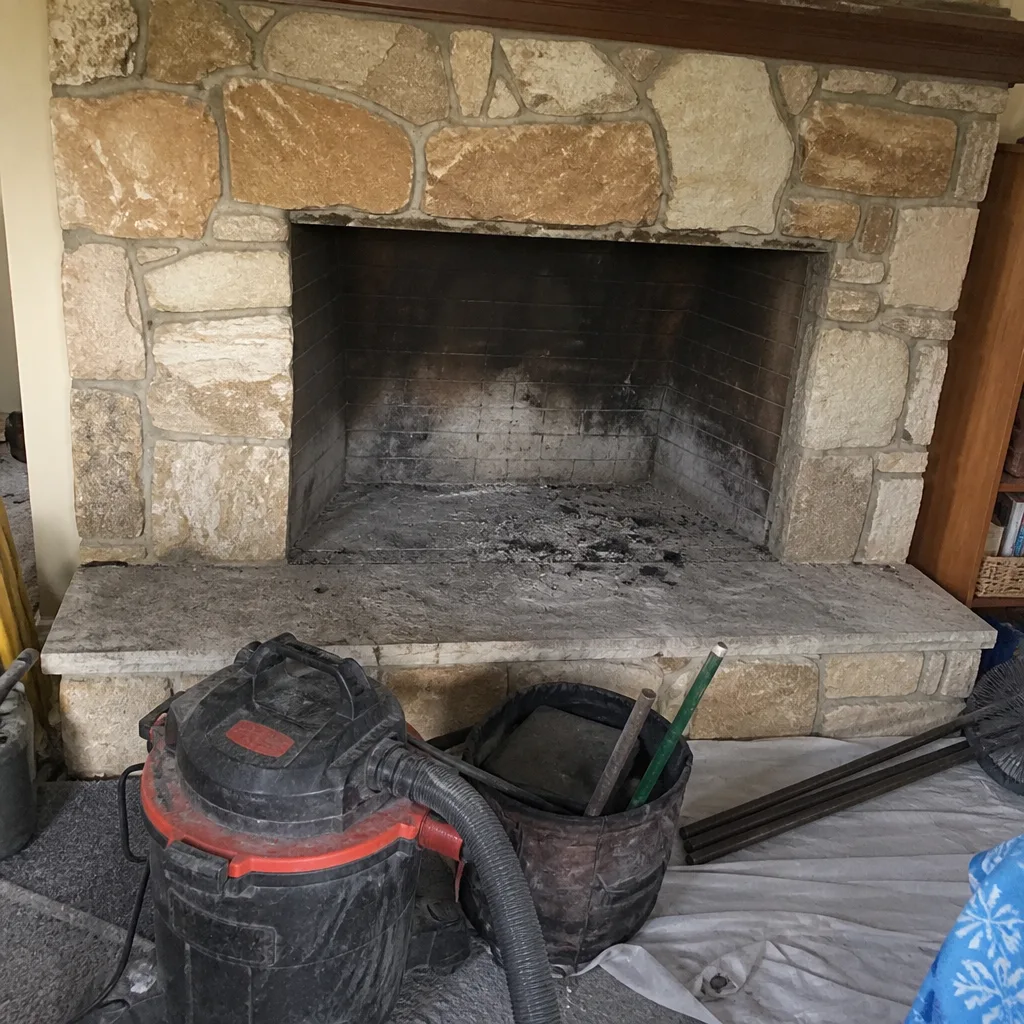 Before
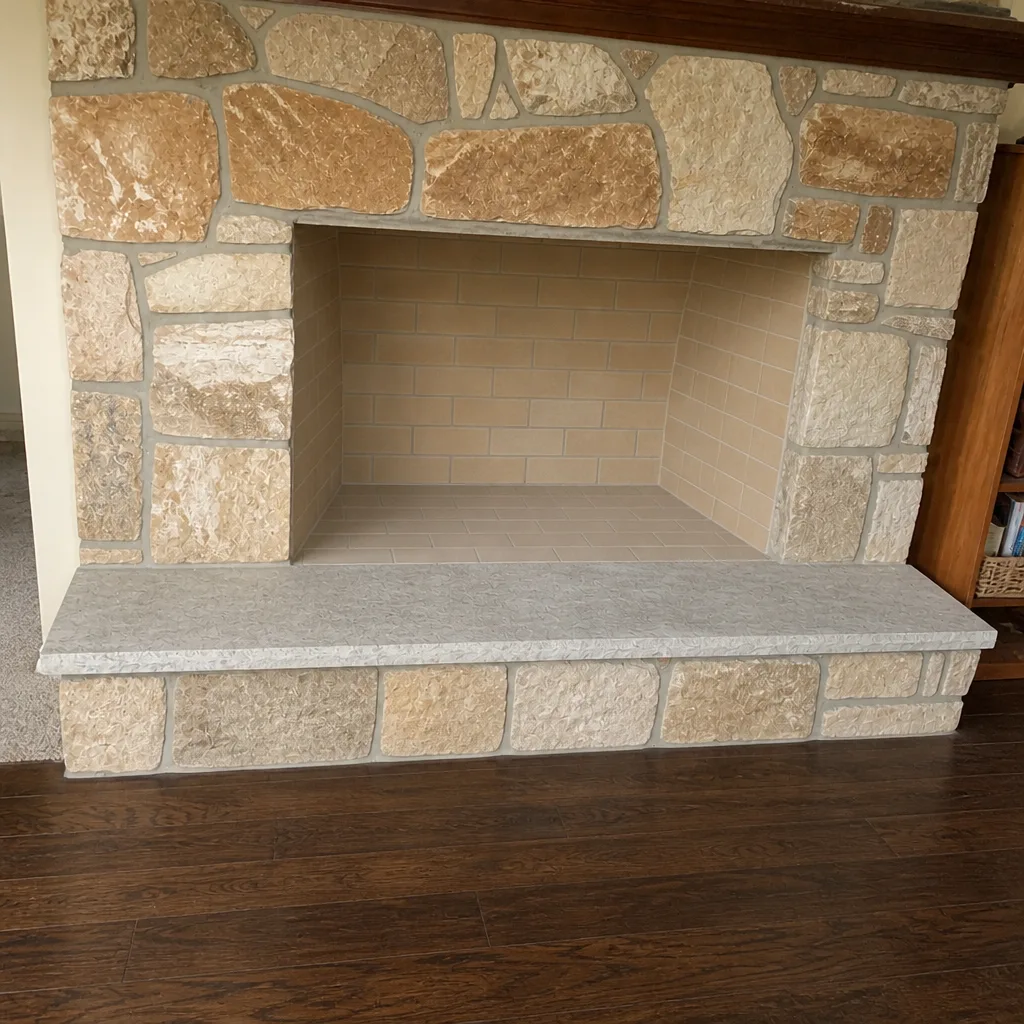 After
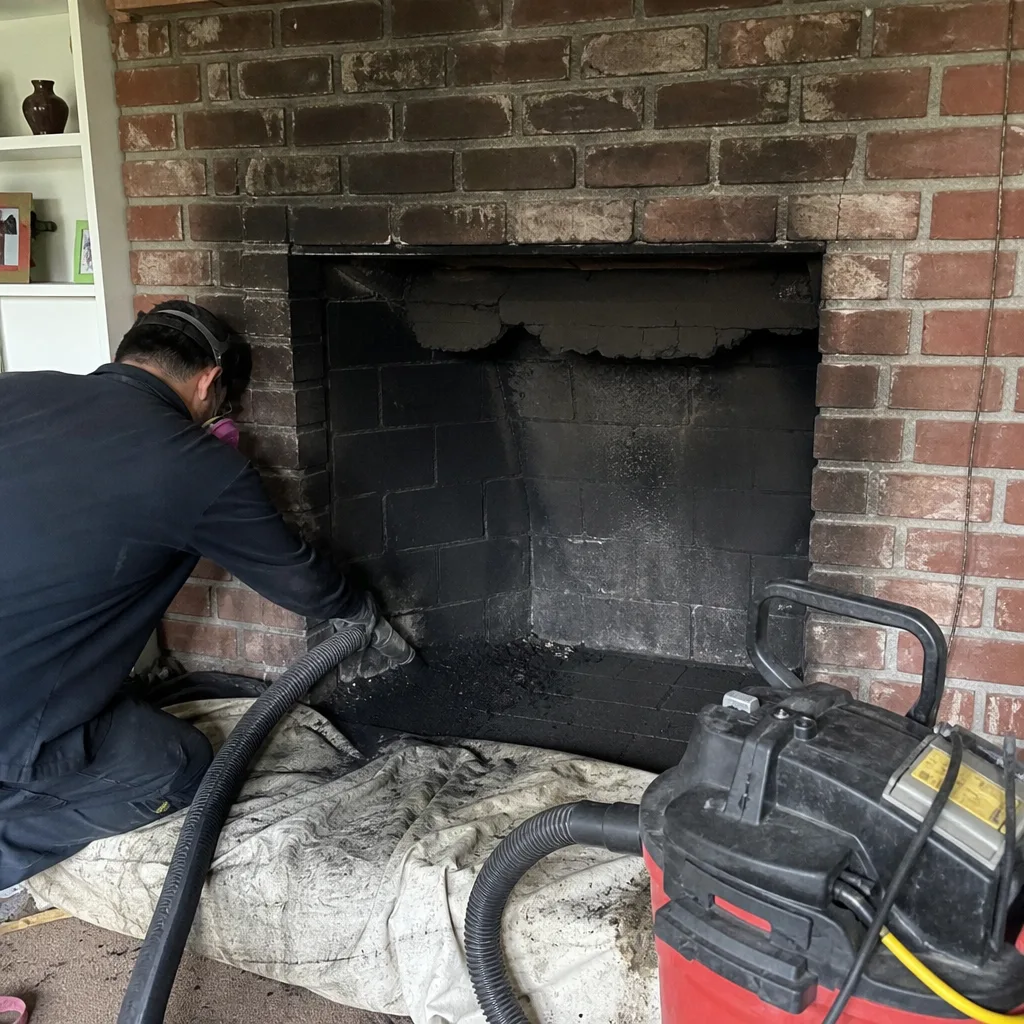 Before
 After
 Before
 After