
Last updated November 16, 2026
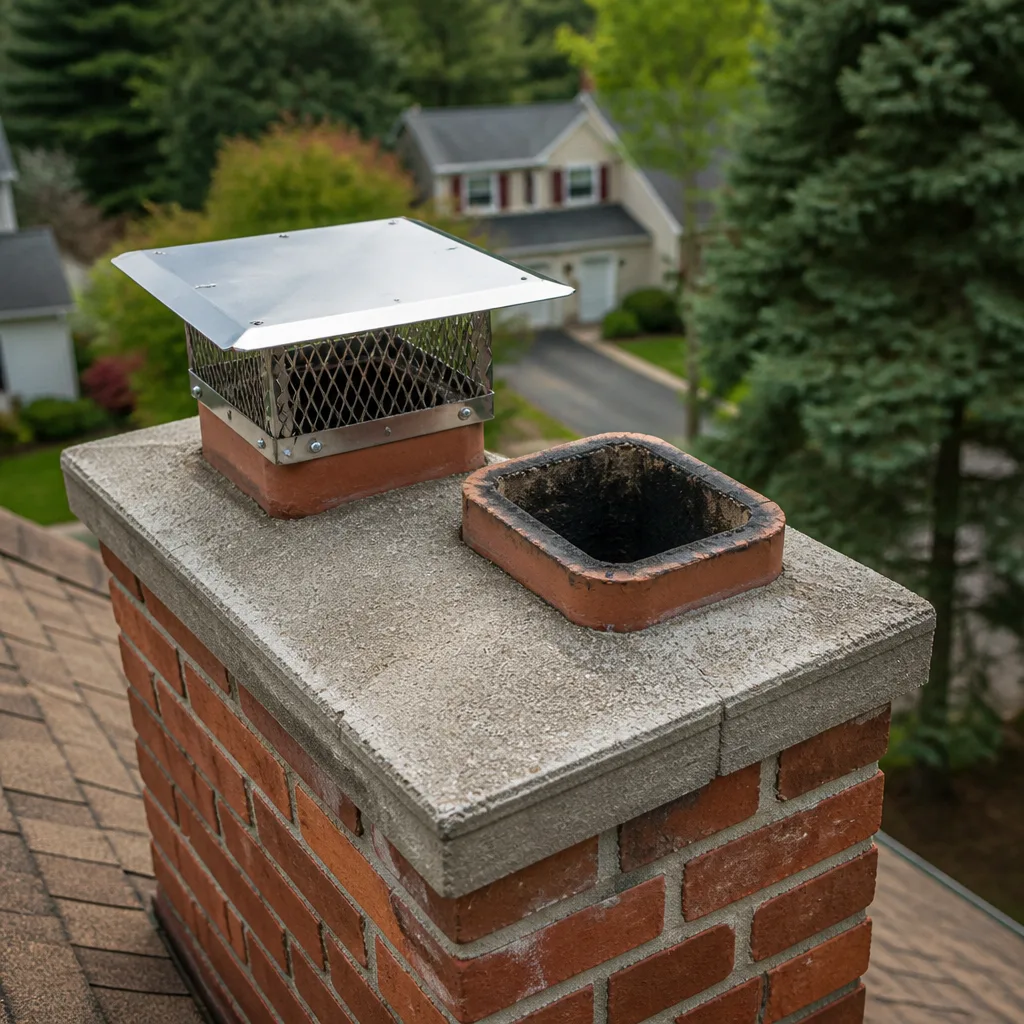 Sweep & inspection
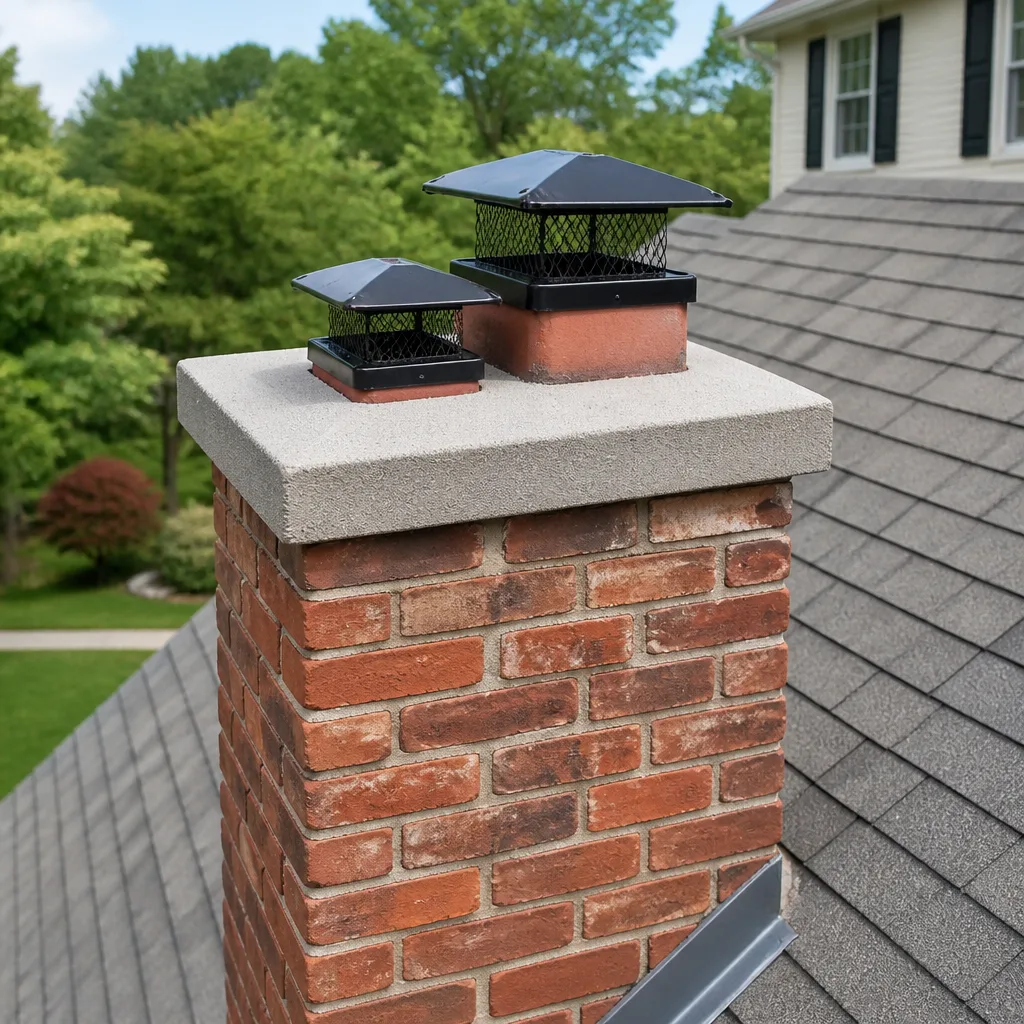 Caps & crowns
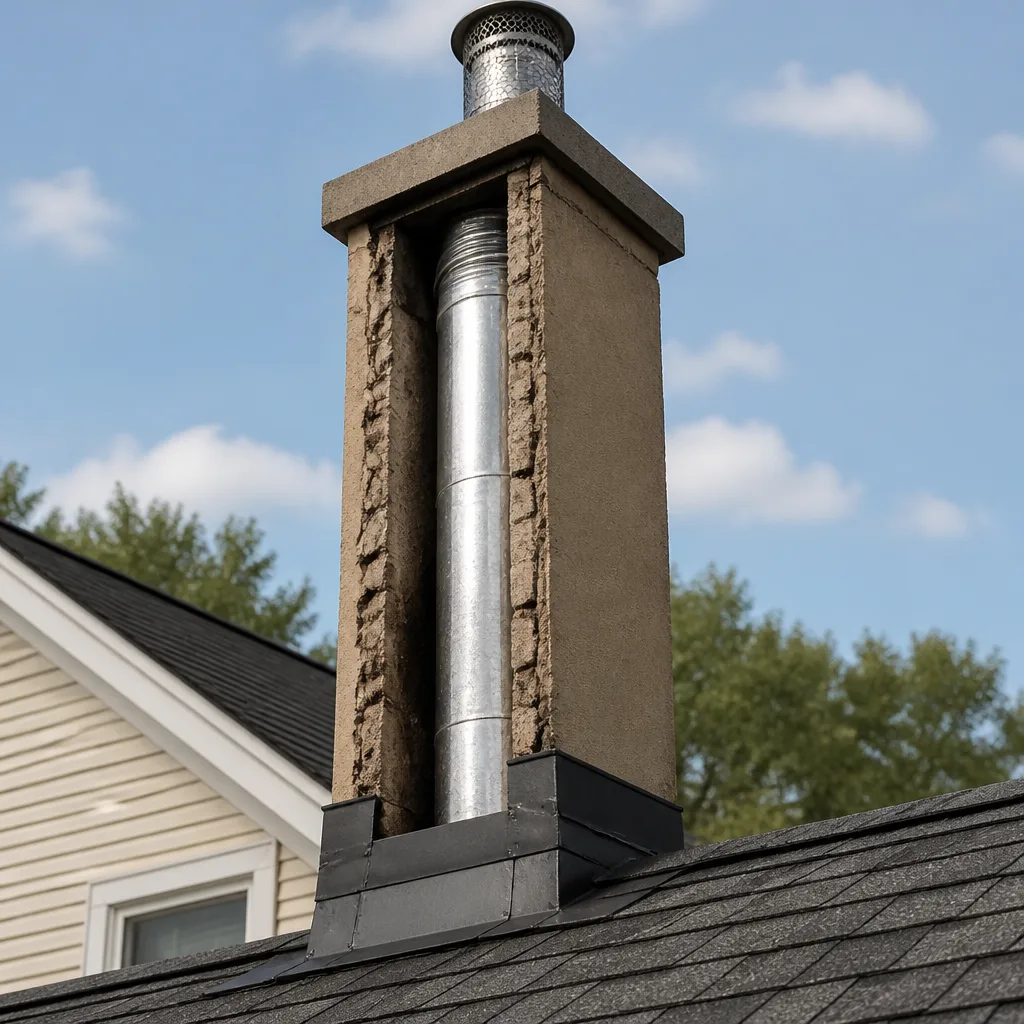 Flue relining
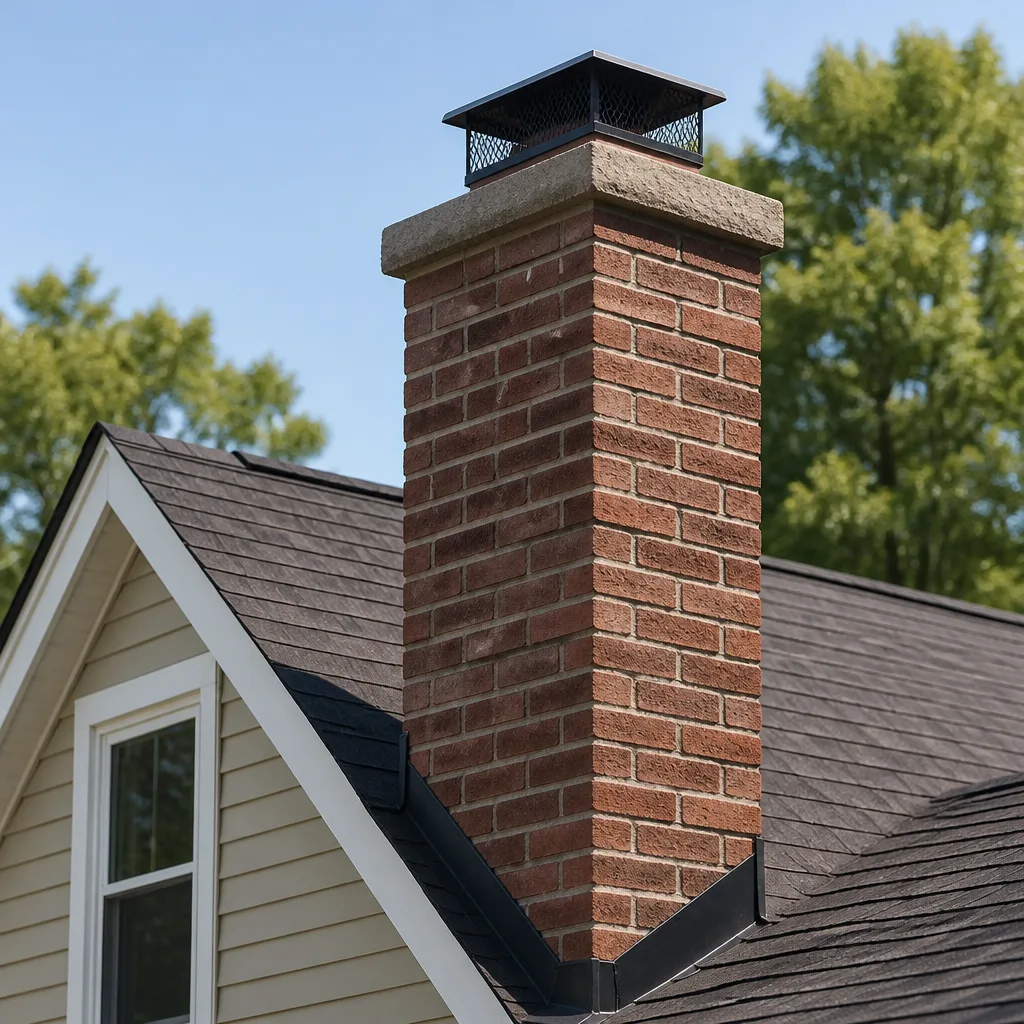 Masonry repair
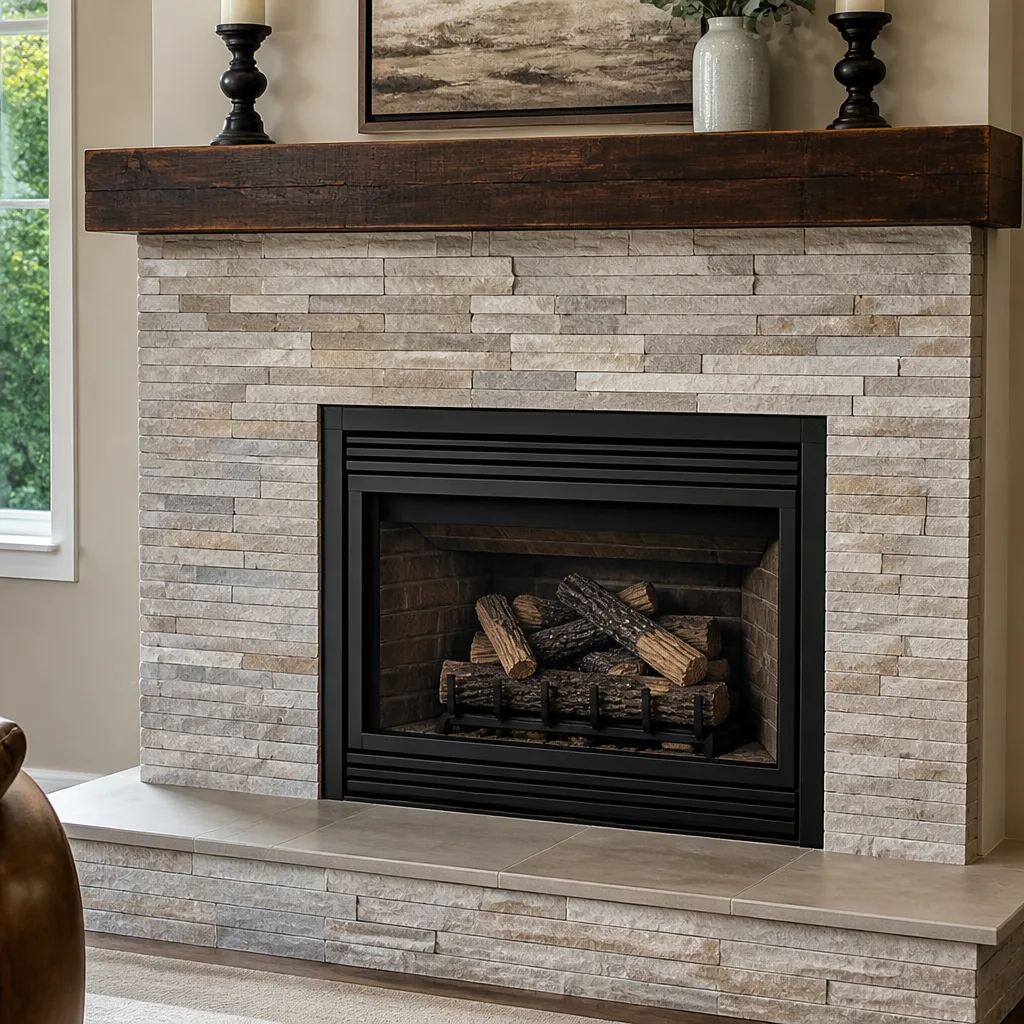 Gas fireplace service
Level 1 sweep and inspection to the NFPA 211 annual standard - flue, crown, cap, and flashing checked and photographed
Chimney sweep logs do not sweep chimneys. They loosen some creosote - which then falls where a brush and vacuum still have to collect it.
Chimney Cleaning Warning Signs: A Stockton Homeowner’s Reference Guide
That sharp smoke smell filling your living room on a cold Stockton morning probably isn’t a draft problem. More often it’s creosote that has absorbed moisture from tule fog and started releasing odor back into the house. Treat it as a draft issue, add a draft guard or crack a window, and the real cause keeps building up inside the flue. We’ve walked into plenty of Stockton homes where a homeowner spent a season chasing the wrong problem. This guide is built to stop that. It connects the symptoms you notice to the likely cause given how Stockton homes are built, what they burn, and the weather they sit in. By the end you’ll know what to check, what to write down, and what to tell a sweep before the appointment so the diagnosis starts before anyone climbs on the roof.
Quick Answer
The warning signs that matter most are smoke odor that returns when the weather turns damp, dark staining above the firebox, delayed ignition or smoke rolling into the room, crumbling mortar and spalling brick on older masonry chimneys, and white staining on the exterior brick. Any one of these means the chimney needs an inspection before the next fire. Odor alone is often moisture-driven creosote, not a draft failure, and it’s the sign Stockton homeowners most often misread.
Styles & brands we work with
- Sweep & inspection
- Caps & crowns
- Flue relining
- Masonry repair
- Gas fireplace service
Table of Contents
- Why Does My Chimney Smell? Draft, Creosote, or Moisture
- Visual Warning Signs in Stockton’s Older Brick Chimneys
- What Dark Staining Above the Firebox Actually Means
- Sounds and Performance Changes: What They Tell You
- The Roof-Level Sign Everyone Ignores: Efflorescence
- How Your Fuel and Fire Habits Shape the Risk
- Seasonal Timing for a Stockton Chimney Sweep
- How to Prepare Information Before the Appointment
Why Does My Chimney Smell? Draft, Creosote, or Moisture
Chimney odor comes from one of three sources, and the timing of the smell tells you which. A draft problem shows up when the fire is lit or just after lighting. A creosote odor problem shows up when the flue is warm and the fire is going. A moisture problem shows up when the fire is cold and the air is damp. In Stockton, that third case is the one that gets misdiagnosed most often.
Tule fog sits low in the valley through the winter and pushes humid air into every open flue in the house. Creosote is porous. It drinks that moisture in, and as it does, it releases the acrid, smoky smell homeowners describe as “the chimney backing up.” The fire is out. The damper may even be closed. And the smell is still there, strongest on the dampest mornings. That pattern points to moisture-driven creosote, not a draft defect.
Here’s how to sort the three apart before you call anyone:
- Draft problem: smoke spills into the room at lighting, the fire is slow to catch, and the smell clears once the flue warms. Often tied to a flue that’s too short, too large for the appliance, or blocked by a nest or debris.
- Creosote odor: the smell is present with the fire burning and gets stronger as the fire runs longer. It’s a sign of buildup that needs sweeping, not a draft issue.
- Moisture infiltration: the smell appears when there’s no fire at all, especially on foggy or rainy mornings, and fades on dry days. It usually means creosote has soaked up humidity, or water is getting in through an uncapped or badly capped flue.
If your smell matches the third pattern, a draft guard won’t help and covering the fireplace will just trap the odor in the room. A professional chimney sweep removes the saturated creosote at the source, and a proper cap stops the moisture from coming back. Our technicians have up to 13 years of experience reading these patterns, and the timing of the smell is usually the first thing we ask about.
Visual Warning Signs in Stockton’s Older Brick Chimneys
Much of Stockton’s housing stock went up between the 1950s and the 1980s, and those brick chimneys are now showing their age in predictable ways. The masonry itself was sound when it was built. What wears it down is the valley’s wet winters, dry summers, and the constant cycling between the two, combined with decades of heat on the inside of the flue. Here’s what to look at on the exterior of your chimney, from the ground with binoculars or from a safe vantage point inside the house:
- Spalling brick. Look for brick faces that have popped off, leaving a rough, crumbly surface. Spalling means moisture has been getting into the brick and pushing outward as it dries. It’s a sign the chimney’s water-shedding details have failed, usually at the crown or the flashing.
- Crumbling or recessed mortar joints. Run a finger along a joint if you can reach it safely. If the mortar crumbles or has worn back from the brick face, the chimney is losing structural integrity. Recessed joints let more water in, which accelerates the problem.
- Cracks in the crown. The crown is the sloped concrete cap on top of the chimney. Cracks there send water straight down into the masonry and the flue.
- Rust stains or corrosion on the firebox and damper. Inside the firebox, rust means water is getting in. It can come from above through a failed crown, or from a chimney with no cap at all.
- Missing or damaged chimney cap. An open flue is an invitation for rain, birds, and squirrels. A properly sized cap is one of the cheapest protections a chimney has.
- Visible gaps at the flashing. Where the chimney meets the roof, the metal flashing should sit tight. Gaps or lifted edges let water run behind the masonry.
None of these are cosmetic. Each one lets water reach the flue liner, and a deteriorating liner is where chimney problems get serious. When we see spalling and failed mortar on a Stockton chimney, the next question is always what the flue looks like on the inside, because the outside and the inside usually fail together.
What Dark Staining Above the Firebox Actually Means
Dark staining on the brick or stone above the firebox is a classic sign of smoke that isn’t going where it should. It’s not always a draft problem, though, and that’s where homeowners get it wrong. Staining tells you smoke has been escaping the firebox and touching that surface repeatedly. The cause could be poor draft, an oversized firebox, a flue that’s too small, or a chimney that’s partly blocked. All of those push smoke out the front rather than up the flue.
But there’s another cause that surprises people: staining can appear even on a chimney with perfectly adequate draft, simply because the fire has been run with the damper partly closed, or because the wood being burned is unseasoned and smoldering rather than burning hot. Green or damp wood produces far more smoke, and that smoke deposits on the first cool surface it reaches, which is the face above the firebox.
What to do with this information:
- Note where the stain is. A band directly above the opening points to smoke rolling out the front. Staining spread up the whole breast of the chimney may point to a flue problem that’s been developing over time.
- Note when it appeared. If it showed up after a season of burning damp wood, the fix may be as simple as better-seasoned fuel plus a sweep. If it’s been there for years and getting darker, the flue needs a close look.
- Don’t paint over it. Sealing the stain hides the evidence a sweep needs to diagnose the cause.
Dark staining combined with the moisture odor we described earlier is a strong signal that a sweep is overdue. The stain is the visible symptom; what matters is what’s stacked up inside the flue behind it.
Sounds and Performance Changes: What They Tell You
Chimneys rarely fail without warning. The performance of the fire changes first, in ways that translate fairly directly into likely causes. If you know what to listen for, you can hand a sweep a much clearer picture of what’s happening.
- Delayed ignition. If it takes longer than it used to for the fire to catch, or you hear a low whoosh or rumble a few seconds after lighting, the flue may be partly restricted. A restricted flue doesn’t pull air up fast enough, so unburned gases collect and then ignite in a small burst. This one deserves prompt attention.
- Sluggish draw. The fire burns low, the flames lean the wrong way, and smoke drifts into the room when you open the door. A flue that was fine last winter and isn’t now has usually picked up a restriction, often a buildup of creosote or a nest.
- Excessive smoke rollout. Smoke spilling steadily into the room means the chimney isn’t moving the volume of smoke the fire is producing. Causes range from a flue sized wrong for the firebox to a blockage to negative pressure in the house from another appliance pulling air.
- Rumbling or a low roar during the burn. A chimney that starts to sound like a distant train is a red flag. That rumble can indicate a chimney fire in progress inside the flue, which is a call-the-fire-department situation, not a maintenance one.
- Popping and crackling that doesn’t match the wood. Sometimes what sounds like a normal fire is creosote igniting inside the flue. If you haven’t burned anything unusual and the sound is coming from above the firebox, shut the fire down and get the chimney inspected.
Any of these performance changes is worth writing down, along with when it started and what you were burning at the time. That simple record helps a technician reason from symptom to cause instead of guessing. When the answer points to a damaged liner or firebox, it’s chimney repair territory rather than a routine cleaning. And with a small handful of these symptoms clustered together, safety is the real reason to move quickly, because a restricted or damaged flue can push carbon monoxide back into the living space.
The Roof-Level Sign Everyone Ignores: Efflorescence
Efflorescence is a white, chalky, powdery stain on the exterior of a brick chimney. It’s the sign Stockton homeowners most consistently overlook, mostly because it’s up on the roof, and it’s easy to mistake for leftover paint or a mineral residue after rain. It isn’t cosmetic. Efflorescence is salt drawn to the surface by water moving through the masonry from the inside out. When you see it, the chimney has been wetting through, and water has been moving through the brick body toward the flue.
Why that matters for the flue specifically: masonry chimneys are built with a small gap between the clay tiles and the brick, and water passing through that gap has a path to the liner. Repeated wetting weakens mortar, and deteriorated mortar can eventually leave the liner unsupported. The efflorescence itself is harmless to touch. What it’s telling you is that the chimney’s water management has failed somewhere above, usually at the crown or the flashing.
What to do about it:
- Look at it twice. Efflorescence washes away with water and comes back later. That’s how you tell it from a permanent stain. If it reappears after drying, moisture is still moving through.
- Check the rest of the chimney’s water-shedding details. The crown, the flashing, and the cap are the three places water gets in. A cracked crown or a missing cap is a common pairing with efflorescence.
- Get an inspection rather than a sealant. Painting over efflorescence traps moisture inside the brick, which makes the problem worse. The chimney needs a proper look at the flue and the water-shedding details before anything gets sealed.
In our experience, a Stockton chimney with recurring efflorescence is usually due for both a cap and a close look down the flue. The good news is that the fix is often straightforward when it’s caught early, before the liner itself is affected.
How Your Fuel and Fire Habits Shape the Risk
What you burn determines how fast creosote builds up, and that changes the safety picture. Different types of buildup behave differently. The dry, flaky kind sweeps away easily. The sticky, tar-like kind is the dangerous one, and it’s the kind that fuels chimney fires. Here’s how common fuel choices play out in a Stockton fireplace:
- Seasoned hardwood. The lowest-buildup fuel when it’s genuinely dry. The key word is dry. Wood that hasn’t had a summer of drying behind it burns cool and smolders, producing far more creosote than a hot fire with good wood.
- Unseasoned or “green” wood. High moisture content burns slowly and leaves more unburned material in the flue. If you cut your own wood or buy it late in the season, plan a season of drying time.
- Softwood. Burns hot and fast, which is fine for a quick warm-up fire, but it produces more creosote per cord than hardwood and shouldn’t be the only fuel you use in a working fireplace.
- Manufactured fire logs. Convenient for an occasional burn, but not a substitute for a proper wood fire when the flue needs regular heating and drying.
- Gas fireplaces. They don’t produce creosote, but they still need attention, and gas-burning appliances need their own safety check. We’ll cover that in the FAQ below.
Your fire habits matter as much as your fuel. A hot fire that gets the flue up to temperature once a day burns cleaner than a series of small, cool fires. Cool fires leave more creosote behind. If you’re the type to light a fire in the morning, let it die back, relight in the evening, and repeat, you’re building up the sticky kind of creosote faster than you’d expect. That’s why annual inspection matters even if you don’t burn a huge amount of wood. Buildup is about burn quality, not volume.
Seasonal Timing for a Stockton Chimney Sweep
The right time to book a cleaning in Stockton is before burning season, not in the middle of it. That’s a scheduling fact, not an emergency. By the time you’re smelling that damp-morning creosote odor, the season has already started and the flue has been working with last year’s buildup. A pre-season inspection catches problems while there’s still time to repair them without disrupting your winter.
The valley’s climate makes the timing clearer than in colder parts of the country. Stockton winters are mild, which means the fireplace sees less continuous use than in a mountain town. But that same mild, foggy weather is what supercharges the moisture-odor problem, so the flue spends the wet months picking up humidity whether you’re burning or not. Spring through fall is the sweet spot for booking. The chimney is dry, the summer weather allows for any masonry or liner work to cure properly, and you’re not competing with a house full of holiday plans.
A sensible annual rhythm:
- Late summer or early fall: book the annual inspection and sweep. Use the dry weather window to complete any repairs before the first fireplace fire of the season.
- First fire of the season: light a small test fire and pay attention. Any smoke rollout, unusual sound, or smell that doesn’t clear is worth noting.
- Mid-season check: if you’ve been burning regularly, look for staining, efflorescence, or performance changes that weren’t there in the fall.
- End of season: close the damper, cap-check the chimney, and confirm nothing’s changed up top before you put the fireplace to bed for the year.
One more timing point: an annual inspection isn’t only for wood-burning fireplaces. A gas fireplace still needs its flue and venting checked, and a house that has sat empty through the wet season should be looked at before it’s used again. This is a scheduled service, not an emergency one. The urgency here is seasonal, and the right move is booking early so the work happens on your schedule rather than during a rainy week in December.
How to Prepare Information Before the Appointment
The single most useful thing a Stockton homeowner can do before a sweep arrives is to write down what they’ve noticed, in the order they noticed it. Diagnosis starts before the technician comes out. Here’s how to build that record so the visit is more productive:
- Describe the smell in your own words. Is it acrid and smoky? Sweet? Sharp like old ash? When does it appear, and when does it go away?
- Note the timing. Does the odor show up with the fire burning, with the fire out, on damp mornings, or only after rain? The timing is usually the fastest path to the cause.
- Describe your fuel. What kind of wood do you burn, and how long has it dried? Do you use fire logs, pellets, or gas?
- Note any performance change. Delayed ignition, sluggish draw, smoke rollout, or unusual sounds are all worth mentioning, with approximate dates.
- List the visual signs you’ve seen. Staining above the firebox, spalling brick, crumbling mortar, white staining on the brick outside, cracks in the crown.
- Note the age and construction of the chimney if you know it. A 1950s masonry chimney and a 2000s factory-built fireplace need different handling.
- Note any recent changes in the house. A new kitchen vent fan, a new furnace, new windows, or a bath fan all change the pressure balance in the house and can affect how a chimney drafts.
The useful outcome of all this is that the technician can arrive already narrowed to a few likely causes, and the inspection can confirm or rule them out. A proper inspection should include a look down the flue with a camera and a photo report of what’s found, so you see the evidence rather than taking someone’s word for it. That’s how we work at Stockton Chimney Sweep, and it’s the reason we say nothing gets recommended without a camera image behind it. Our technicians have up to 13 years of experience, and the pattern of symptoms you describe is the most useful tool they have.
Common Mistakes to Avoid
- Treating a creosote odor as a draft problem. In Stockton, the two look alike on a foggy morning. If you add a draft guard or crack a window, you’re patching a symptom while the creosote buildup keeps growing.
- Painting over efflorescence or staining. Both are evidence. Seal the brick and you trap moisture inside, and the next sweep has no visible symptom to work from.
- Burning unseasoned wood because it’s available. Wood that hasn’t dried produces far more creosote, and the sticky kind is the dangerous kind. The clearest safeguard is a properly dried woodpile.
- Waiting until the first cold snap to book. That’s when everyone else calls too. Stockton’s burn season starts earlier than most people remember, so the inspection window is the dry months before it.
- Assuming a gas fireplace needs no chimney attention. A gas appliance still has a venting path and its own safety checks. Treat it the same as wood-burning when it comes to the annual inspection.
- Skimping on the cap. A missing or oversized cap lets water, birds, and debris in. A properly sized, properly sealed cap is one of the simplest water-management improvements a chimney can get.
- Hiring a generalist for a chimney diagnosis. A handyman may be able to sweep a flue, but diagnosing a liner problem, a draft issue, or a masonry failure takes a chimney focus. Choosing a chimney-only specialist means the person looking at the flue does this every day.
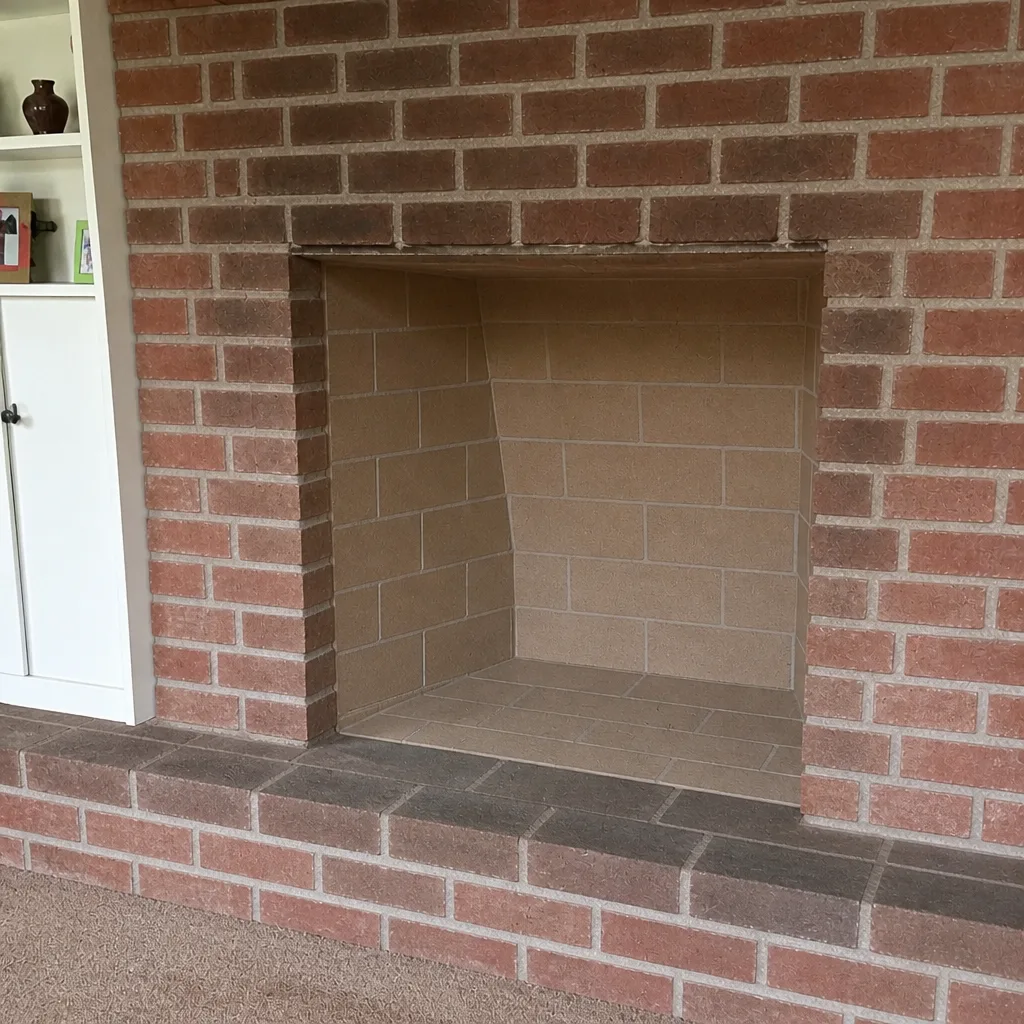
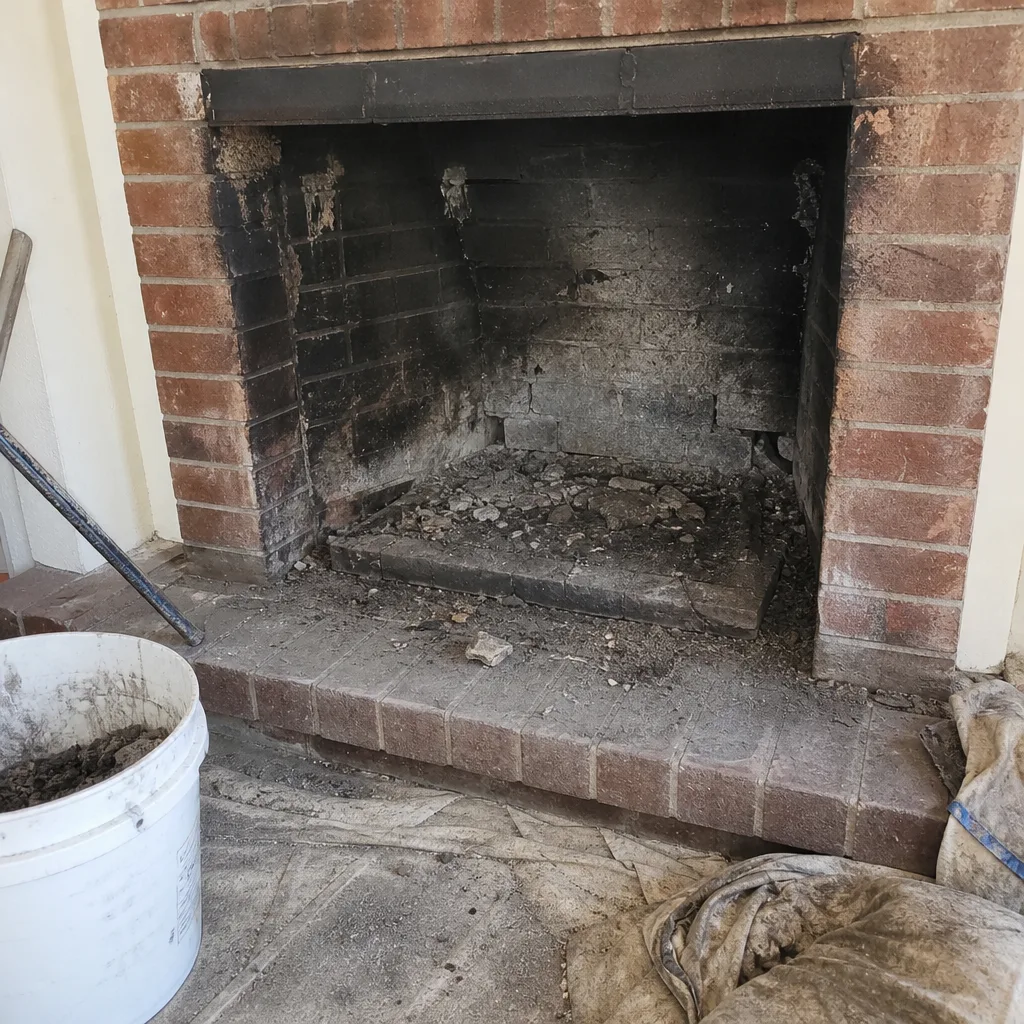
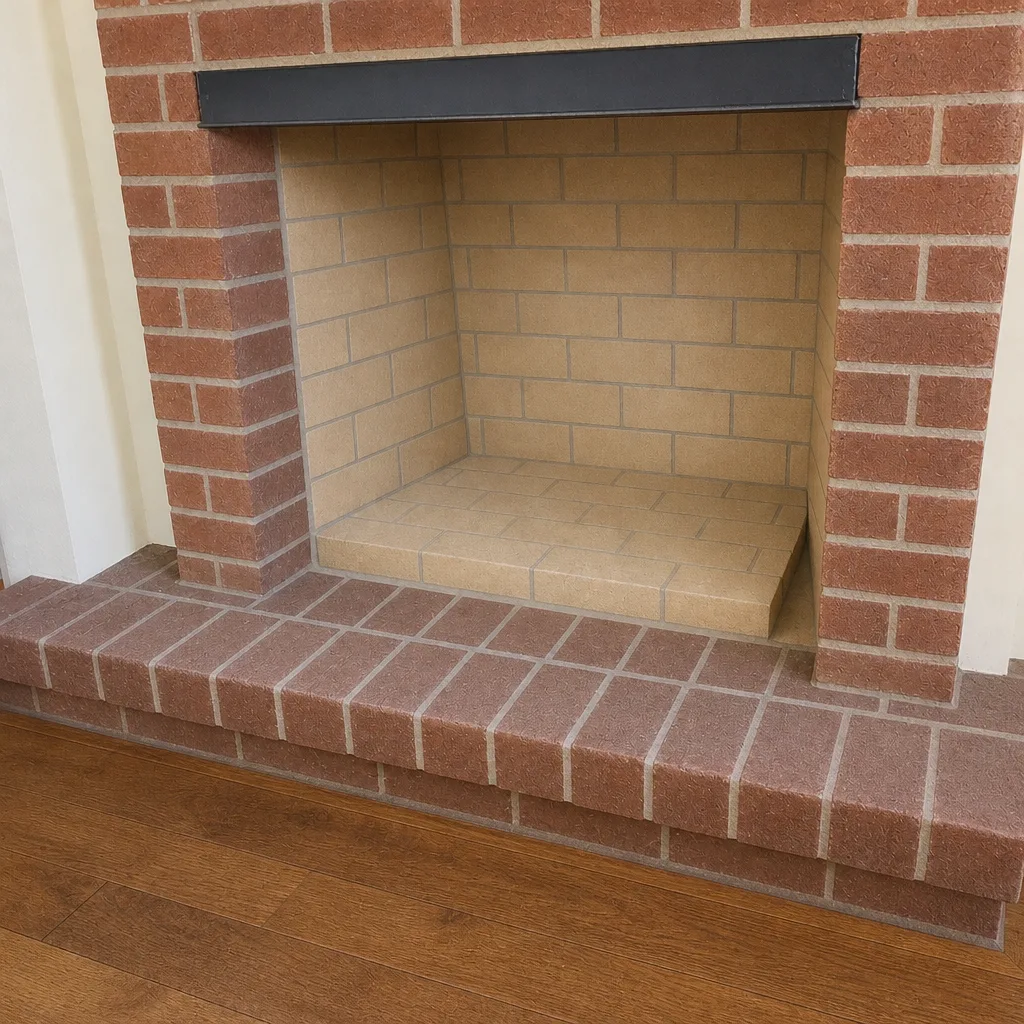
See the difference
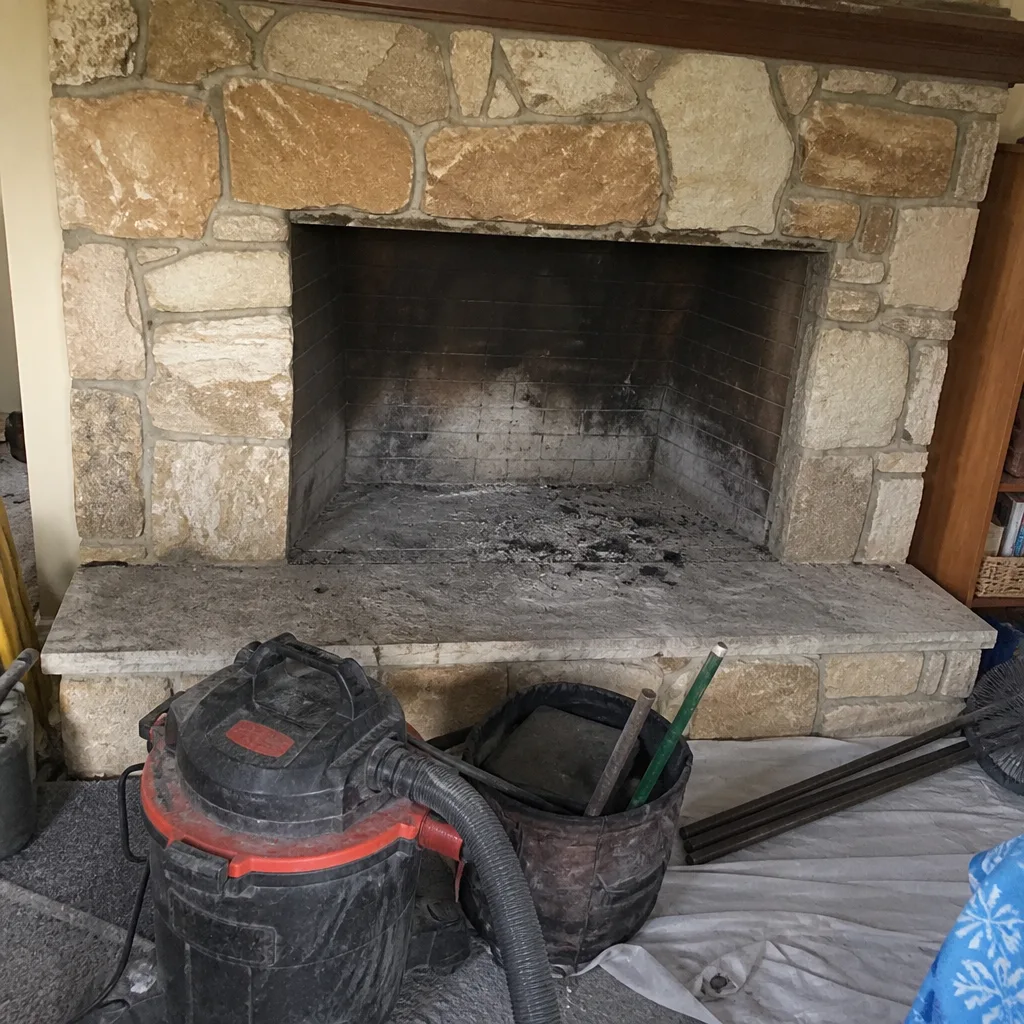 Before
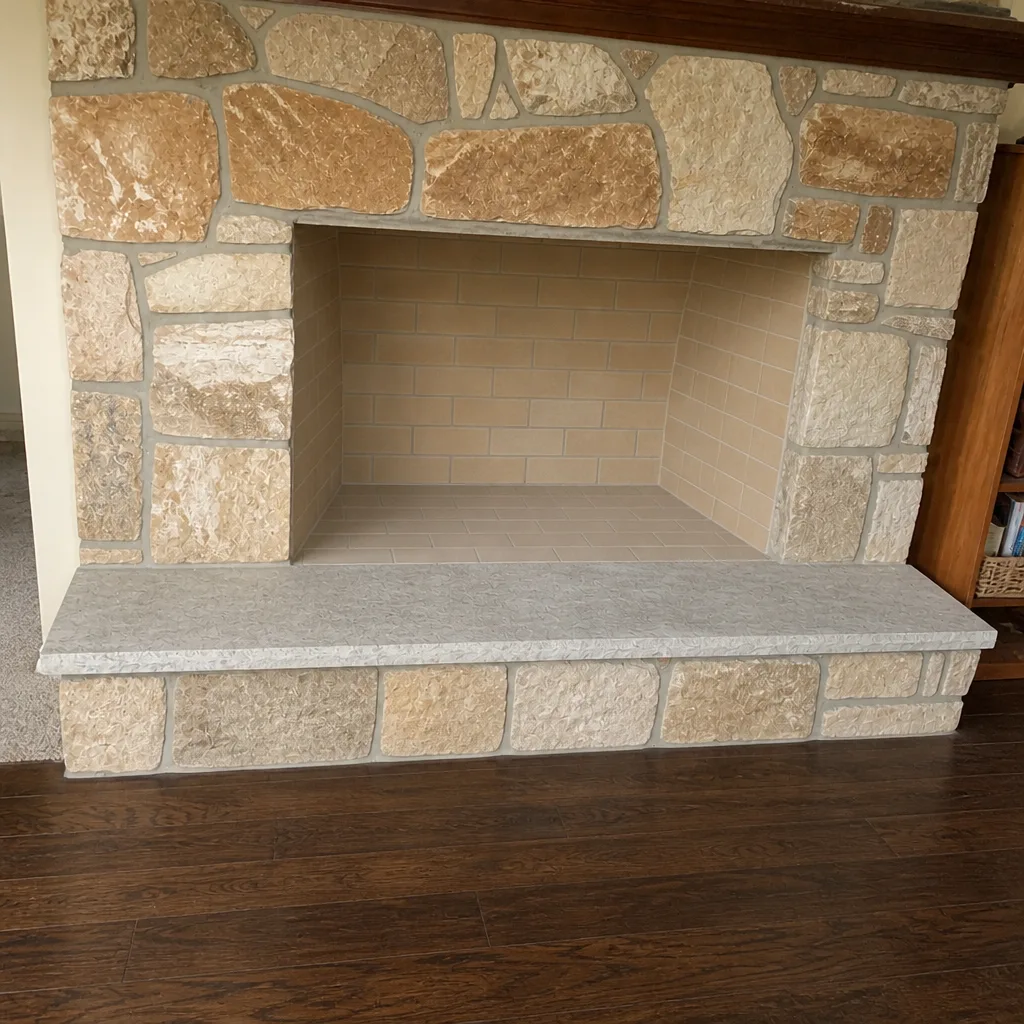 After
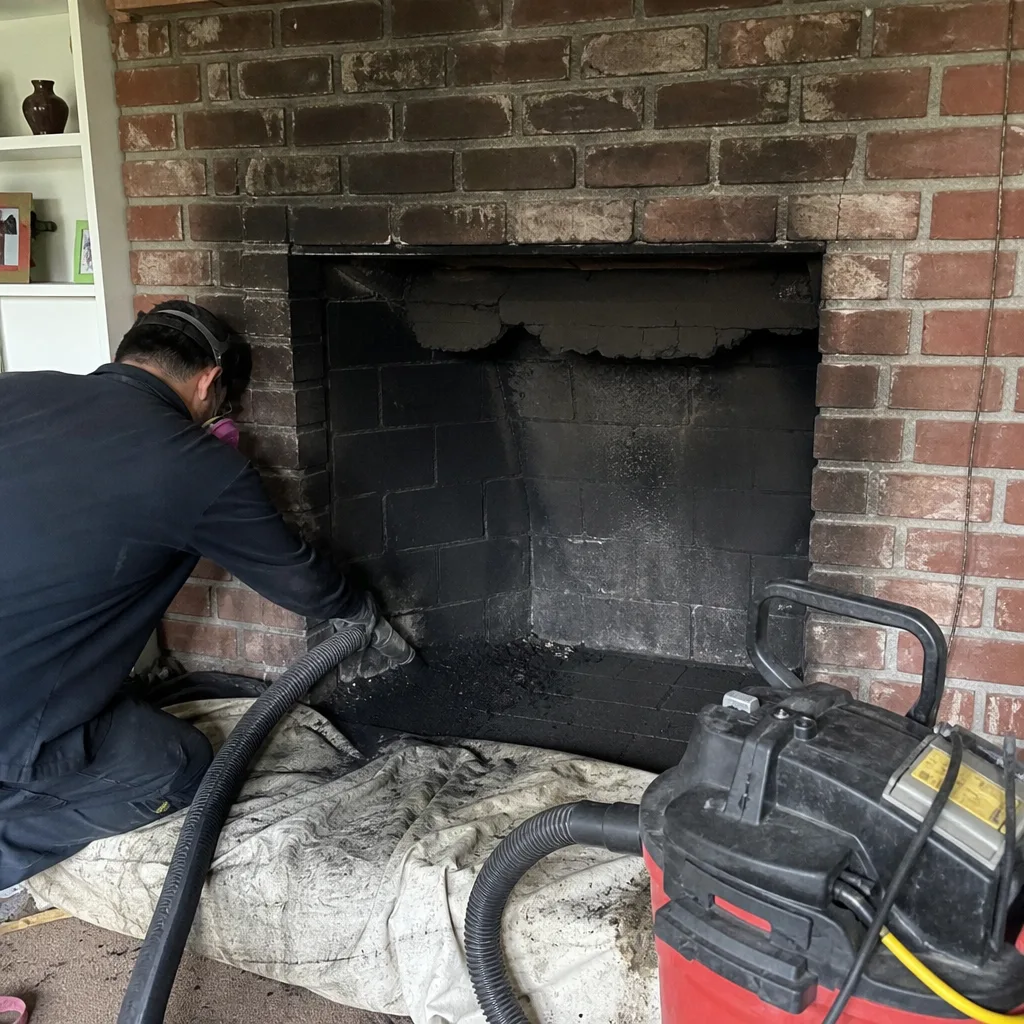 Before
 After
 Before
 After
When to Call a Professional
Some symptoms can wait for a scheduled inspection. Others shouldn’t. Call a professional right away if you hear a rumble during a burn, if smoke is spilling into the room steadily, if you smell gas near a gas appliance, or if you see visible creosote buildup in the flue. These are the signs that move a chimney from “needs cleaning” to “needs a close look before the next fire.” For less urgent signs, a scheduled inspection is the right move. The whole point of a diagnosis-first approach is to sort the two apart accurately, and that’s what Stockton homeowners should expect from a chimney specialist. Stockton Chimney Sweep offers free estimates in Stockton. Call (877) 516-9568. We answer 24/7. Fast dispatch from 7am to 7pm, Sunday through Friday.
Frequently Asked Questions
Once a year is the standard rhythm, and more often if you burn regularly through the season or use unseasoned wood. In a mild valley climate, the annual inspection matters as much as the sweep because it’s the only way to catch moisture-related problems before the wet months get to them. Call (877) 516-9568 for an exact quote on your home; estimates are free.
Usually not. A smell that’s strongest on damp, foggy mornings with no fire burning points to moisture-driven creosote odor rather than a draft defect. Tule fog humidity infiltrates the flue and activates the creosote. A sweep removes the buildup and a proper cap keeps the moisture out. Call us for a diagnosis before you assume a draft problem.
White, chalky staining is efflorescence, and it means water has been moving through the masonry. It isn’t a cosmetic issue, and painting over it makes the underlying problem worse. It’s the sign Stockton homeowners most often miss because it’s up on the roof. Book an inspection so the flue and the water-shedding details can be checked, and call (877) 516-9568 for a free estimate.
No. Staining means smoke has repeatedly escaped the firebox, but the cause can be poor draft, a flue that’s too small, a partial blockage, or simply a season of burning damp wood with the damper too closed. A sweep can tell the difference after a look down the flue. Call for an inspection, and the diagnosis comes from the flue rather than the stain.
Yes. A gas fireplace doesn’t produce creosote, but it still has a venting path and safety checks that matter, and an annual inspection covers both gas and wood-burning appliances. Skipping it leaves the venting unverified. Call (877) 516-9568 to schedule, and we’ll include the gas appliance in the inspection.
Creosote keeps accumulating, moisture keeps feeding the buildup in the damp months, and small performance issues become repair work. The serious risk is a chimney fire or carbon monoxide coming back into the living space, both of which are why the inspection is worth keeping on schedule. When work can safely wait, we say so. Call us for an honest read on where your chimney stands; estimates are free.
The Bottom Line
Every sign in this guide points to a physical cause, and the timing of the symptom is what narrows it down. A smell that appears on damp Stockton mornings is usually moisture-driven creosote, not a draft problem. Staining above the firebox means smoke has been escaping, and that cause needs a look down the flue. Efflorescence on the brick outside is water moving through the masonry. Performance changes like delayed ignition and sluggish draw point to a restriction or a damaged flue. The pattern across all of them is one thing: the earlier an inspection happens, the more of them resolve without major work. Preparing your observations and booking in the dry months is the single best habit you can build. Written by the team at Stockton Chimney Sweep.
Written by the team at Stockton Chimney Sweep.