
Last updated November 16, 2026
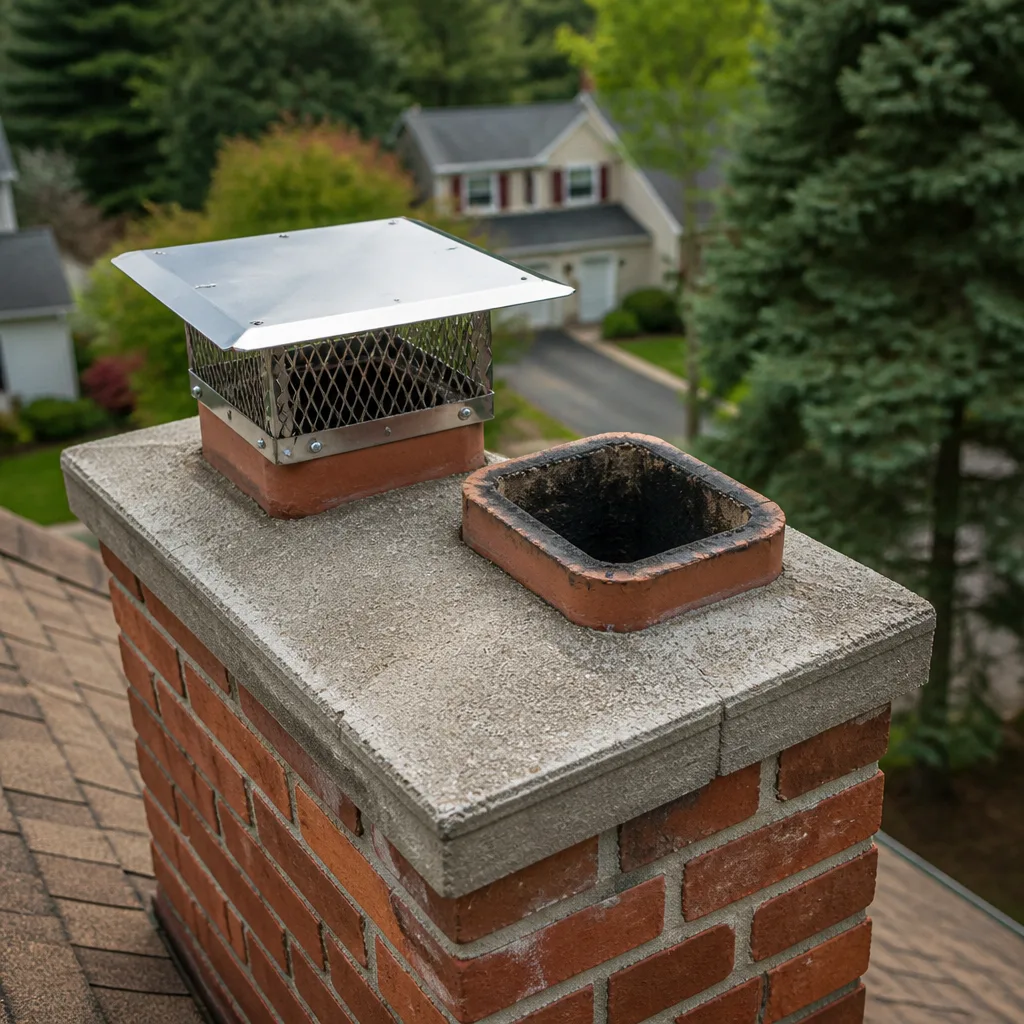 Sweep & inspection
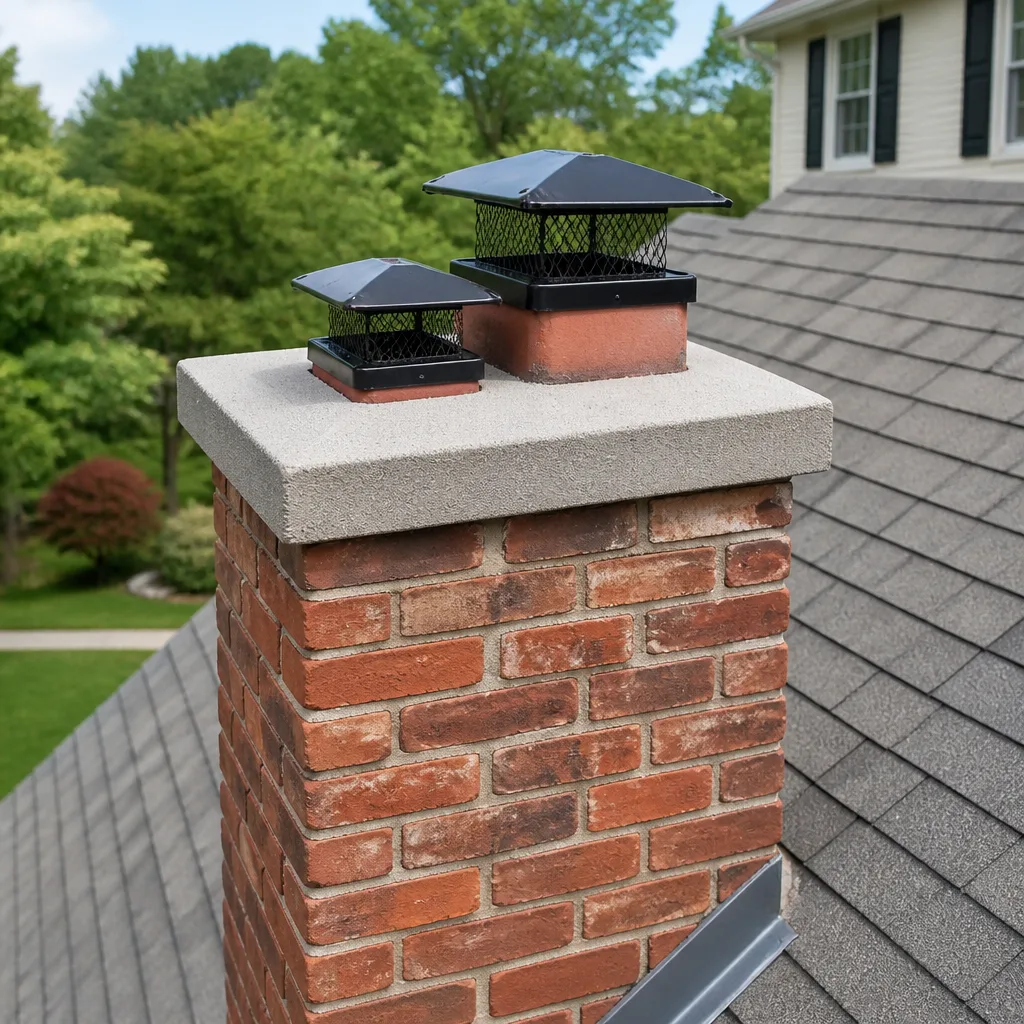 Caps & crowns
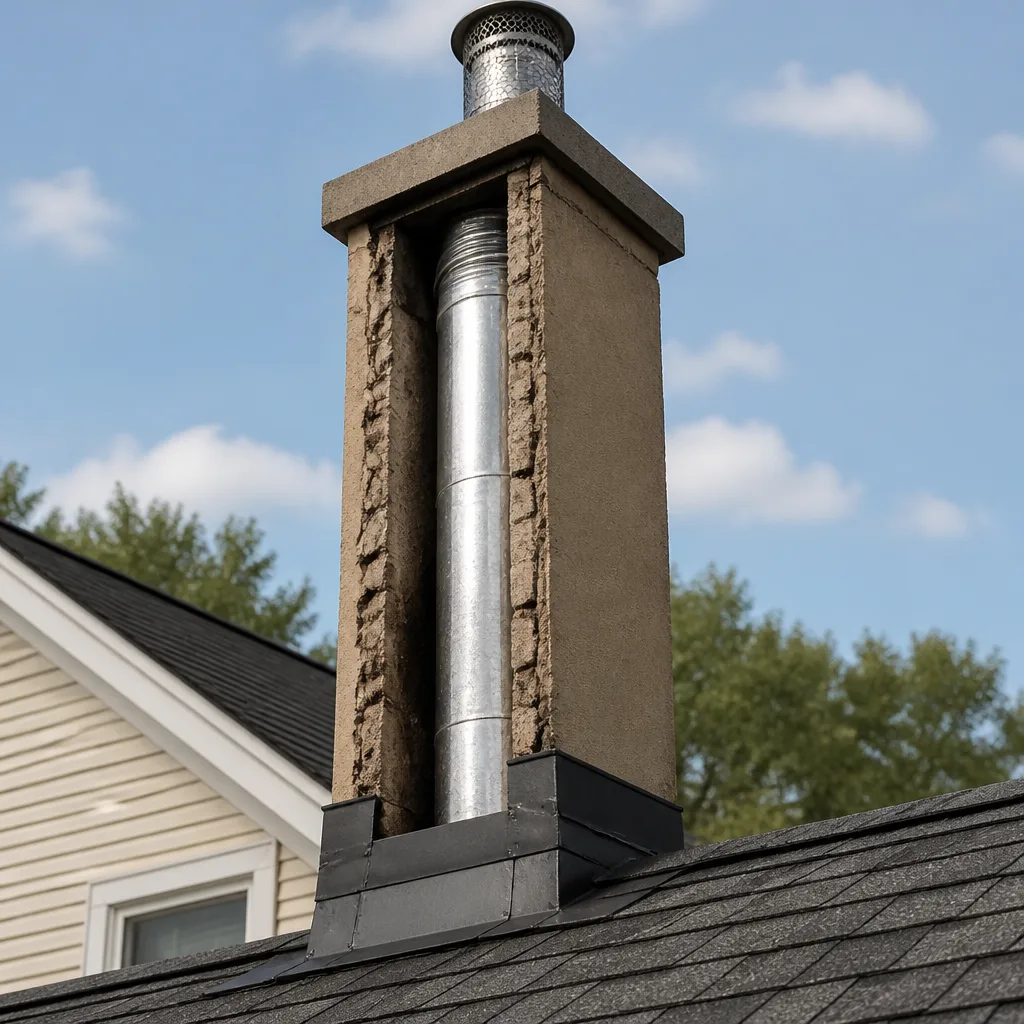 Flue relining
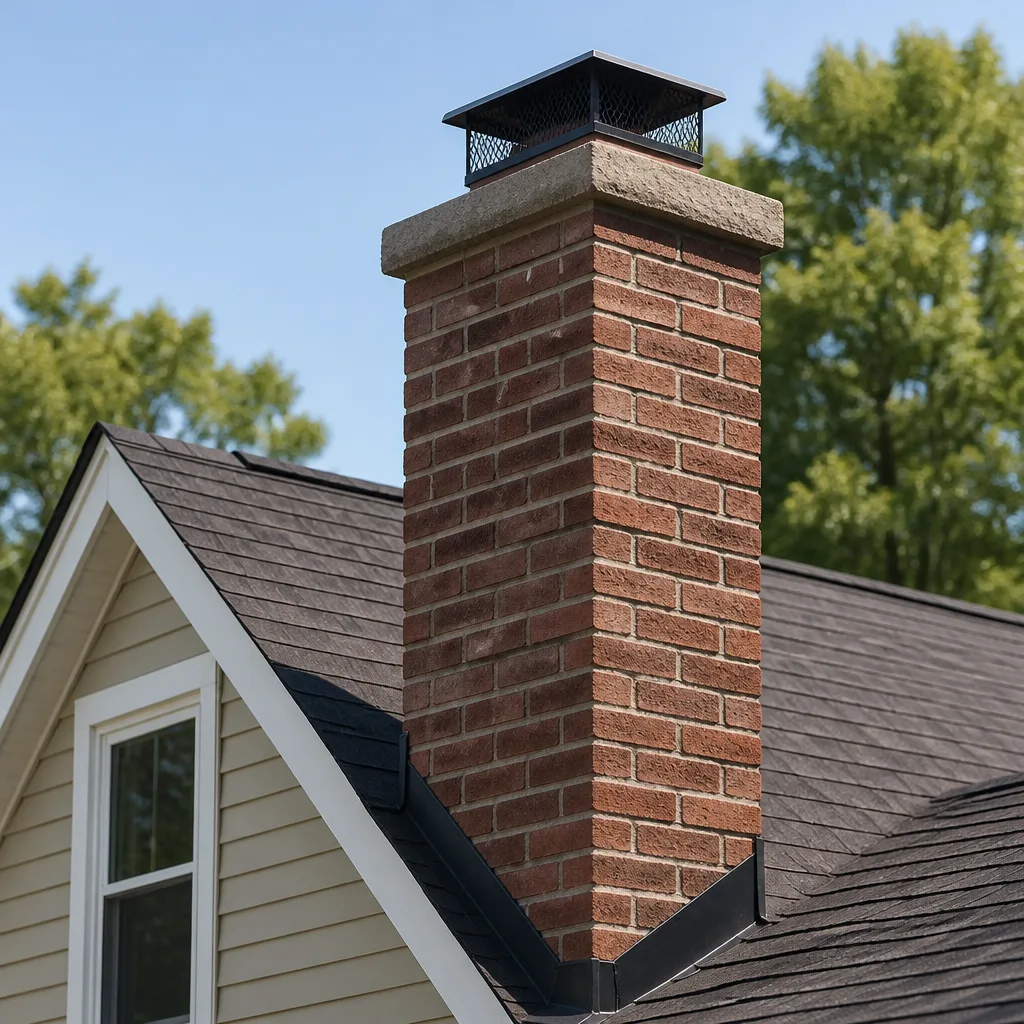 Masonry repair
 Gas fireplace service
Level 1 sweep and inspection to the NFPA 211 annual standard - flue, crown, cap, and flashing checked and photographed
Chimney sweep logs do not sweep chimneys. They loosen some creosote - which then falls where a brush and vacuum still have to collect it.
Chimney Cleaning Permits, Codes & Inspections in Stockton, CA: What You Need to Know
Most homeowners in Stockton never connect chimney cleaning to permits, and for good reason: the cleaning itself doesn’t touch the permit world. But cleaning is a diagnostic event as much as a maintenance one. Once the soot comes off and we can actually see the flue, the firebox, and the crown, damage surfaces, and the moment that damage crosses from cosmetic to structural, California building code and San Joaquin County rules can apply to the repair. This guide maps the line between cleaning and regulated work, shows where permits get triggered, explains what “code compliant” really means on an invoice, and covers how the local air district’s burn rules affect the whole picture.
Quick Answer
Chimney cleaning in Stockton does not require a permit. The repairs that cleaning often uncovers do. Under California Residential Code Section R1001, chimney systems have to meet specific construction and material standards, and certain repair scopes, including flue relining, firebox rebuilds, and crown reconstruction, commonly cross from maintenance into work that needs a building permit from the City of Stockton. A Level 2 inspection report is the document that tells you which side of that line your chimney is on.
Styles & brands we work with
- Sweep & inspection
- Caps & crowns
- Flue relining
- Masonry repair
- Gas fireplace service
Table of Contents
- Where chimney cleaning ends and permits begin
- What California Residential Code Section R1001 governs
- San Joaquin County burn rules and how they affect maintenance timing
- The repair scopes that need a permit in Stockton
- How a Level 2 inspection report works for insurance
- What “code compliant” means on a sweep invoice
- The three inspection levels and when each applies
- When to schedule cleaning and inspection in Stockton
Where Chimney Cleaning Ends and Permits Begin
Sweeping is maintenance. It removes creosote, soot, and debris so the flue can vent safely, and no jurisdiction in California requires a permit to brush a chimney clean. What changes the picture is what the brush reveals. A standard cleaning ends with a technician looking up the flue with a strong light and a camera, and the photos either confirm the flue is sound or show the failure that creosote has been masking.
That’s the pivot point. Once a repair is structural, meaning it rebuilds, replaces, or alters the chimney’s construction or its fire-rated components, it generally falls under the permit requirement of the local building department. Cosmetic fixes stay on the maintenance side. The distinction sounds academic until a buyer’s inspector at resale finds permitted work that was never permitted, or worse, unpermitted work that never got inspected for safety.
Here’s how we draw the line in a typical Stockton home, where the housing stock runs from mid-century ranch homes to newer construction and factory-built fireplaces:
- Maintenance, no permit: sweeping, cap inspection, minor caulking at the cap, replacing a spark arrestor, removing a bird nest, minor tuckpointing below the roofline that doesn’t touch structure.
- Regulated repair, check with the city: relining a flue, rebuilding a firebox, replacing or reconstructing a chimney crown, repairing a damaged smoke chamber, and any work that changes how the system vents.
- Always permitted: a complete chimney rebuild, changing a wood-burning appliance to a different type, and any alteration to the flue’s structural pathway.
In our experience, the repairs that most often surprise homeowners are the ones they can’t see: a cracked flue liner, a smoke chamber stepping that was never properly parged, or a crown that’s been letting water in for years. Those don’t come up until a sweep or inspection puts eyes (and a camera) on them.
What California Residential Code Section R1001 Governs
Chapter 10 of the California Residential Code, and specifically Section R1001 alongside the chimney provisions of the mechanical code, is the part of the codebook that deals with chimneys, fireplaces, and vents. It’s not one sentence; it’s a system of requirements covering construction materials, clearance to combustibles, flue sizing, liner integrity, chimney height, and how the whole assembly has to be built to vent a fire safely.
In a repair-after-cleaning context, the practical effect is that R1001 sets the standard a repair has to meet. A flue liner can’t simply be patched with any material that fits; it has to restore a continuous, code-compliant flue of the right size and material for the appliance. A firebox rebuild has to respect the required wall thickness and clearances. A crown has to shed water and not direct it into the flue.
This is where option depth matters for the homeowner. Older Stockton masonry fireplaces often have clay tile flues with gaps or spalling at the joints. Two repair paths exist, and only one is fully compliant depending on the condition:
- Relining. A flexible liner system, such as DuraFlex, is run through the existing flue to create a new, continuous venting path. It’s the standard answer for deteriorated or irregular flues and doesn’t require destructive masonry work.
- Restoration. HeatShield ceramic flue resurfacing rebuilds a damaged flue from the inside on systems that are still structurally sound enough to hold it. It’s a code-compliant repair method that extends flue life and avoids a full replacement.
A technician who only offers one path is offering you a diagnosis shaped by their tool bag, not by your flue. R1001 compliance isn’t about picking the cheapest option; it’s about picking the option your specific flue condition actually requires.
San Joaquin County Burn Rules and How They Affect Maintenance Timing
The San Joaquin Valley Air Pollution Control District regulates wood burning through a curtailment program. On designated no-burn days, residential wood burning is restricted, and the district issues those calls based on forecast air quality rather than a fixed calendar. Two things follow from that, and both matter for chimney care in Stockton.
First, the burn season is when the fireplace actually gets used, and that’s when creosote and soot accumulate. The maintenance window that serves you best is before the season starts, so the first cold evening doesn’t reveal a blocked flue, a cracked cap, or a chimney that won’t draft. Scheduling a chimney sweep ahead of the burn season means the system is clean and inspected before you need it, not after a sooty failed first fire.
Second, the no-burn call-outs have an unintended upside for maintenance. If you’re burning less on district-mandated days, you’re also loading the flue less hard during those stretches. That said, creosote still builds on every fire, and the only way to know your flue’s condition is to look up it. A chimney that burned five cord last winter and one that burned half that both need the same inspection.
One caution worth putting plainly: never burn the wrong thing to stretch a fire during a curtailment. Treated wood and household trash send corrosive compounds up the flue that damage liners, rot caps, and in some cases produce compounds that corrode metal components. The district rules exist to protect air quality, but the maintenance lesson is simpler. Good fuel and a clean flue are how the system lasts.
The Repair Scopes That Need a Permit in Stockton
Roofing, electrical, plumbing, and structural work under the City of Stockton’s building department each carry their own permit requirements. Chimney work is trickier because it straddles maintenance and structure. In our experience, these are the scopes that most consistently cross the line and should trigger a call to the building department before work begins:
- Relining the flue. Installing a DuraFlex or comparable liner changes the venting assembly. Whether a permit is strictly required depends on the scope and the local office, but the safe practice is to confirm before work starts, because the completed liner needs to meet code regardless.
- Firebox rebuild. Rebuilding firebox brick, re-establishing clearances, and re-parging the smoke chamber are structural repairs to a fire-rated assembly.
- Crown replacement or reconstruction. The crown is part of the chimney structure and directs water away from the flue. When it’s rebuilt rather than simply sealed, ask about a permit.
- Full or partial chimney rebuild. Rebuilding from the roofline or below is squarely in the structural category and always requires a permit.
- Changing the appliance. Replacing a wood-burning insert or switching an appliance type alters the venting pathway and is covered by the code.
The honest wrinkle is that permit thresholds and interpretation can vary, and it’s the homeowner who carries the liability for unpermitted work. So the practical rule is to have the repair scope written down in the estimate, then call the City of Stockton to confirm whether that scope needs a permit in your specific case. A chimney repair recommendation should come with enough detail to make that call.
How a Level 2 Inspection Report Works for Insurance
There’s a real difference between what a cleaning confirms and what a report documents. A sweep can show you the flue looks clean. A Level 2 inspection documents the condition of the chimney in a way an insurer can act on, and that distinction matters when a chimney problem turns into a claim.
A Level 2 inspection is a visual inspection of all accessible portions of the chimney, including when the work calls for a camera view of the flue interior. It covers the flue, the firebox, the smoke chamber, the chimney cap, the crown, and the accessible exterior. In a repair-after-cleaning context, the report does several things:
- Establishes condition at a point in time. If a line crack in the flue or a damaged crown is photographed before a storm, the insurer can distinguish pre-existing wear from a newly caused loss.
- Documents a pre-existing condition. Water intrusion, cracked crowns, and deteriorated liners that predate a claim are common, and a report makes the timeline clear.
- Supports a repair authorization. Broken crowns, separated flue tiles, or damaged caps that let water in are the kinds of documented defects carriers may evaluate under a homeowners policy.
In the Stockton market, insurers handling older masonry homes typically want documentation that ties a reported chimney issue to a specific condition with photos and a written observation, not a verbal “there’s water in there.” That’s why we photograph the interior flue with a camera and hand over the images. A report is only as useful as what it can show you. Ask for the photos in your report; they’re the difference between a summary and evidence.
What “Code Compliant” Actually Means on a Sweep Invoice
These two words get stamped on a lot of invoices, and they don’t mean the same thing everywhere. On a sweep invoice, a “code compliant” notation should be verifiable against the actual standard, not just a phrase. Here’s what that means in practice, and how to check it.
First, distinguish the invoice that describes a cleaning from the one that describes a completed repair. A cleaning invoice might state that the flue is clear and that no conditions were observed. A repair invoice should document the scope of work done, the materials used, and the code basis for the repair, especially if a permit was pulled. If the invoice says “code compliant” but doesn’t name the standard or describe the scope, ask for the detail.
Second, the materials themselves tell you something. A liner system from a recognized maker such as Olympia Chimney, or a cap from Gelco sized and sealed to the flue, is the kind of product that comes with manufacturer documentation you can hand to an inspector. Off-brand components may still be code compliant in the right application, but the verification trail is thinner, and at resale or at claim time, that trail matters.
Third, you can verify permitted work in City of Stockton building department records. If a repair required a permit, the permit and the final inspection are in the record. If your contractor says the work is “permitted and inspected,” the record is where that’s confirmed, and it’s a reasonable thing to ask for. A Stockton Chimney Sweep job should leave you with that kind of trail, not just an invoice line that says the work is compliant.
The Three Inspection Levels and When Each Applies
Chimney inspections aren’t one service. They’re three levels, and knowing which one you need prevents paying for the wrong one or missing what matters. Here’s the practical breakdown:
- Level 1. A visual inspection of readily accessible portions of the chimney during normal maintenance. It covers the firebox, the accessible flue from the firebox, and the visible exterior. This is the level most annual cleaning visits involve.
- Level 2. Everything in a Level 1 plus inspection of all accessible portions, and a camera view of the flue interior when the situation calls for it. This is the level you want when you’re buying or selling a home, after a chimney fire or a significant event, after an earthquake or storm that may have affected the chimney, or when switching appliance types.
- Level 3. A Level 2 plus the removal of components or masonry necessary to reach concealed areas. It comes up when a Level 2 identifies a probable hidden defect that can’t be evaluated without opening things up.
Most Stockton homes that get a regular annual sweep stay at Level 1, and that’s the right call. The moment a repair enters the conversation, or a sale is in motion, or the home has a chimney the buyer hasn’t lived with, the level should rise. When we inspect, we tell the homeowner which level applies and why, rather than defaulting to the most thorough (and most expensive) option every time.
When to Schedule Cleaning and Inspection in Stockton
Stockton’s winters are mild compared to the mountain towns, so wood burning here is often about ambience as much as heat, and that shapes the maintenance calendar. The best time to book a Stockton chimney sweep is late summer into early fall, before the burn season begins and before the air district’s no-burn calls start shaping how often the fireplace gets used. If you’ve already started using the fireplace, the next best time is now, before the fire season builds up more creosote.
Here’s the rhythm that works for most homes:
- Yearly: a sweep and a Level 1 inspection for any chimney in regular use, whether the fuel is wood or gas.
- On purchase or sale of a home: a Level 2 inspection, because a buyer deserves to know the flue’s condition before they own it.
- After an event: a Level 2 inspection after a chimney fire, a nearby earthquake, or a storm that may have damaged the crown or cap.
- Before relighting after a long pause: a sweep and inspection if the fireplace has sat unused for more than a season, since animals, nesting, and fallen debris find an unused flue.
One note on timing and permits: if a repair is needed and a permit is required, the work order and the permit take a little lead time. Getting the inspection done early in the season is how you avoid a cold-night surprise in December.
Common Mistakes to Avoid
- Assuming cleaning needs a permit. It doesn’t. But assuming the repair that cleaning uncovers also doesn’t is how homeowners end up with an unpermitted structural repair that shows up at resale. Ask where the scope sits before work starts.
- Treating a cleaning invoice as a condition report. A clean flue and a sound flue are different questions. If you haven’t had a documented inspection with photos, you don’t yet know the condition of the liner, the crown, or the smoke chamber.
- Skipping the camera during a Level 2. An older masonry flue with a slightly irregular interior can hide a joint gap that a light alone won’t reveal. Camera documentation is what turns an observation into evidence.
- Letting a “code compliant” line stand unexamined. If the invoice says compliant but doesn’t describe the scope or materials, ask for the basis and, if the repair required a permit, verify it against City of Stockton building records.
- Burning trash or treated wood on a no-burn day to keep the fire going. The district curtailment calls exist for air quality, but the damage from burning the wrong fuel shows up inside the flue. It’s one of the fastest ways to shorten a liner’s life.
- Waiting until the fireplace is in use to schedule a sweep. By then you’re cleaning out a season of creosote with the heating months already underway. The calm window to book is ahead of the burn season.
- Letting a generalist handyman do structural chimney repair. A repair that affects the venting assembly or the fire-rated structure is not general maintenance, and the code and permit exposure is on the homeowner. Use a chimney-only specialist for the repair scope.
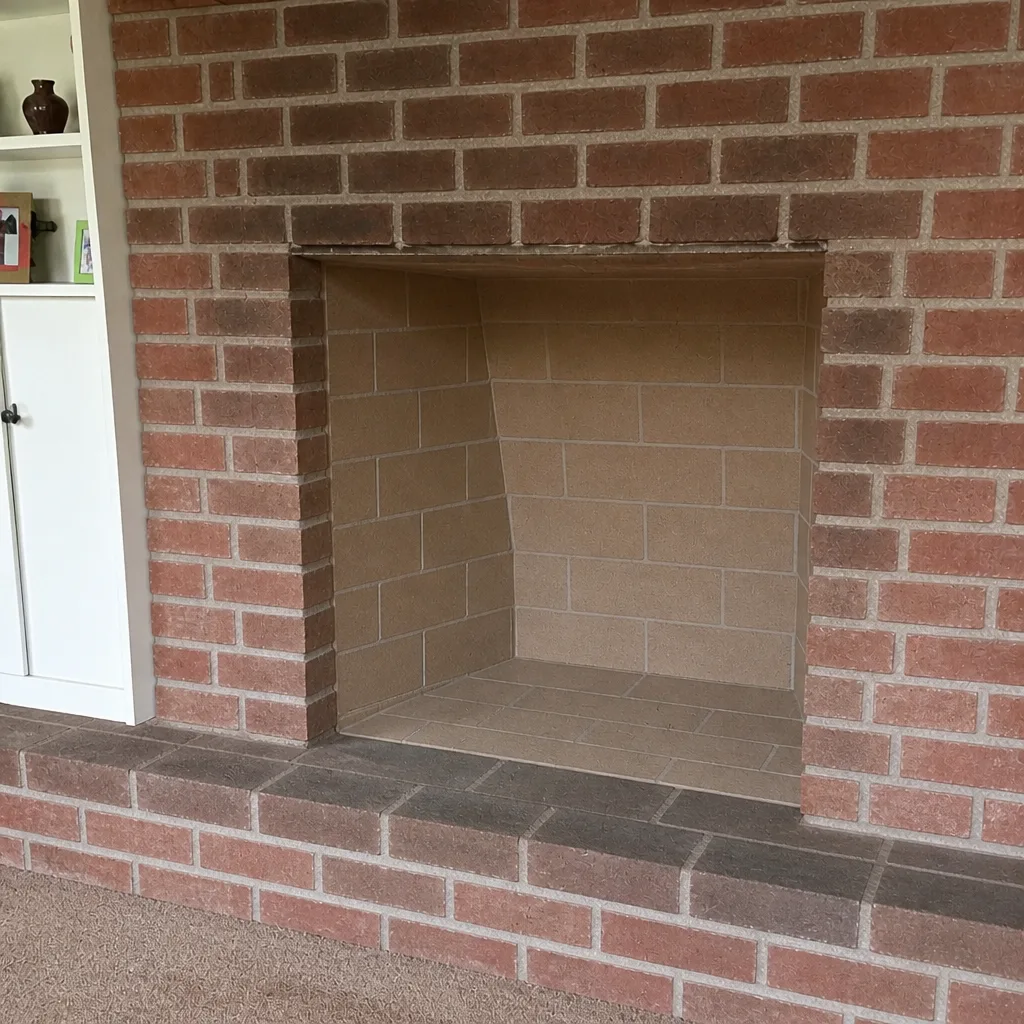
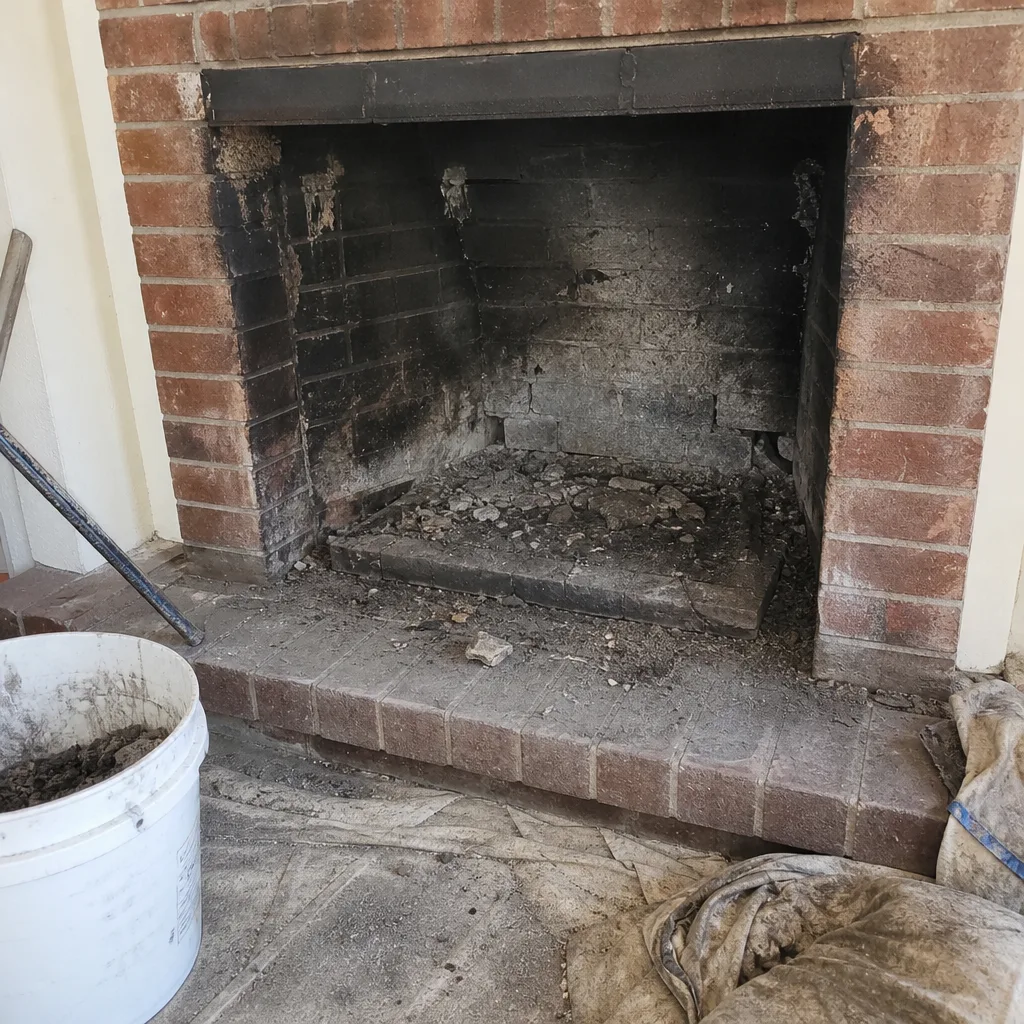
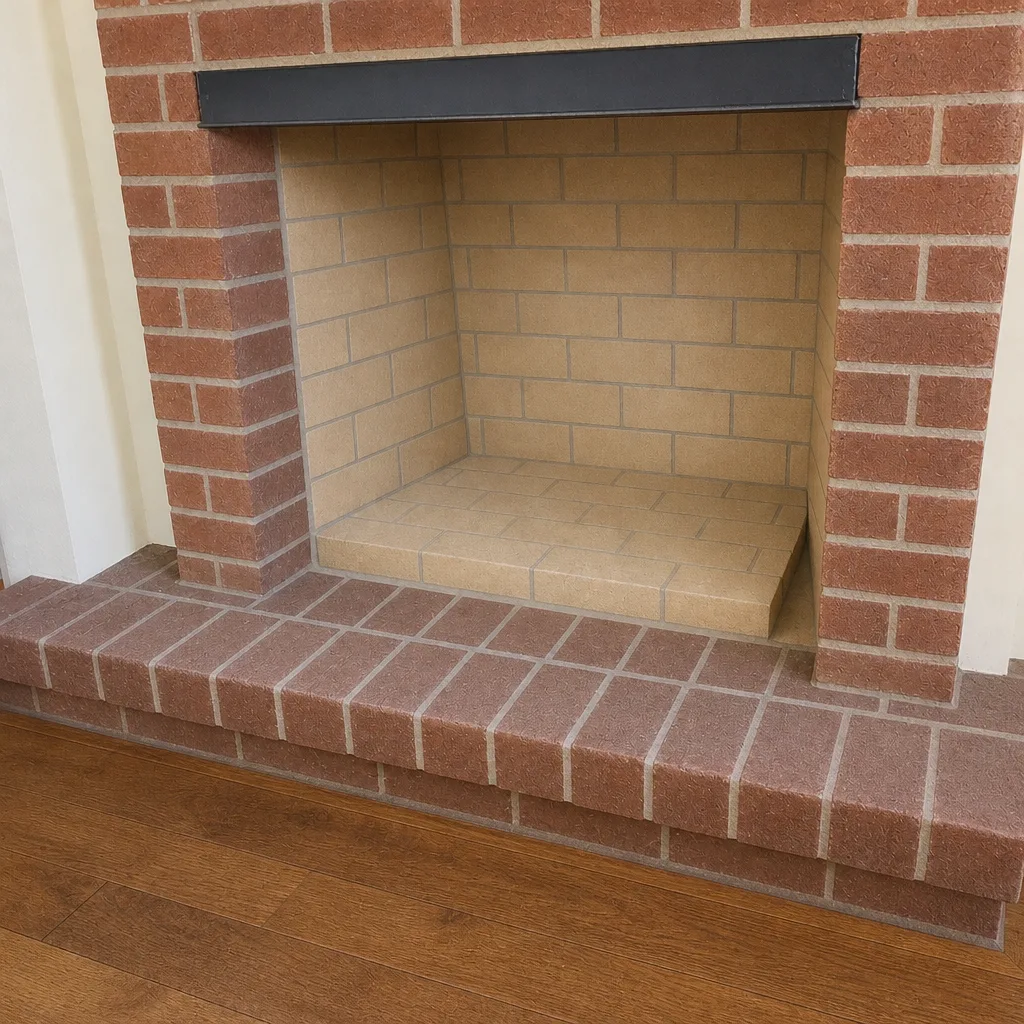
See the difference
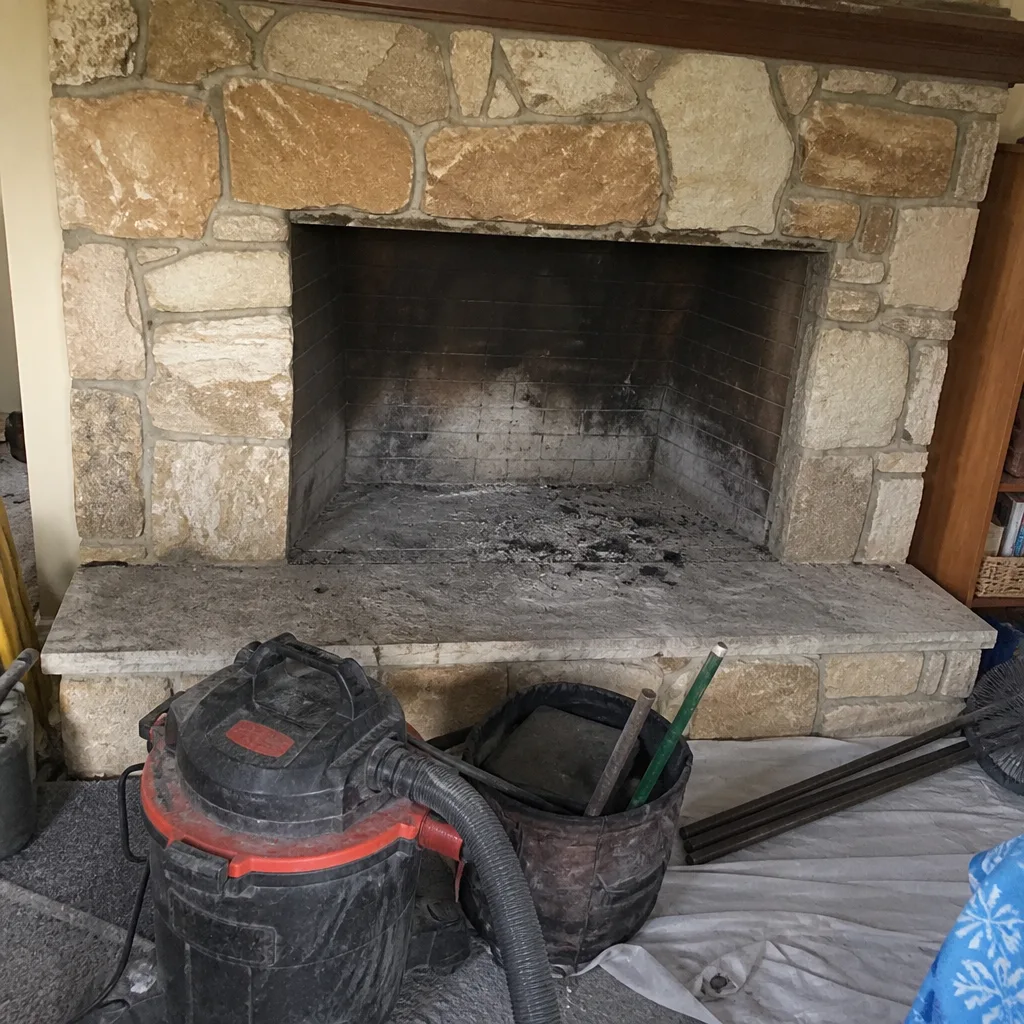 Before
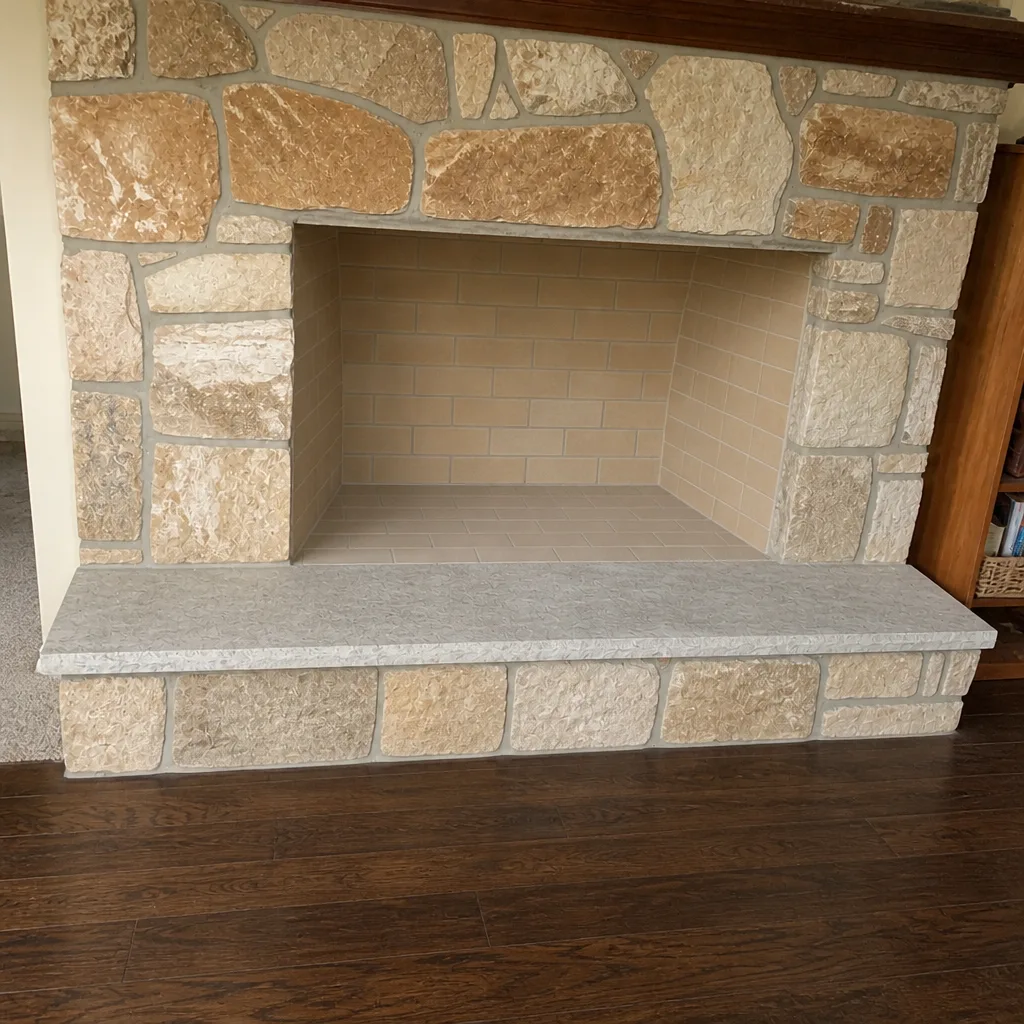 After
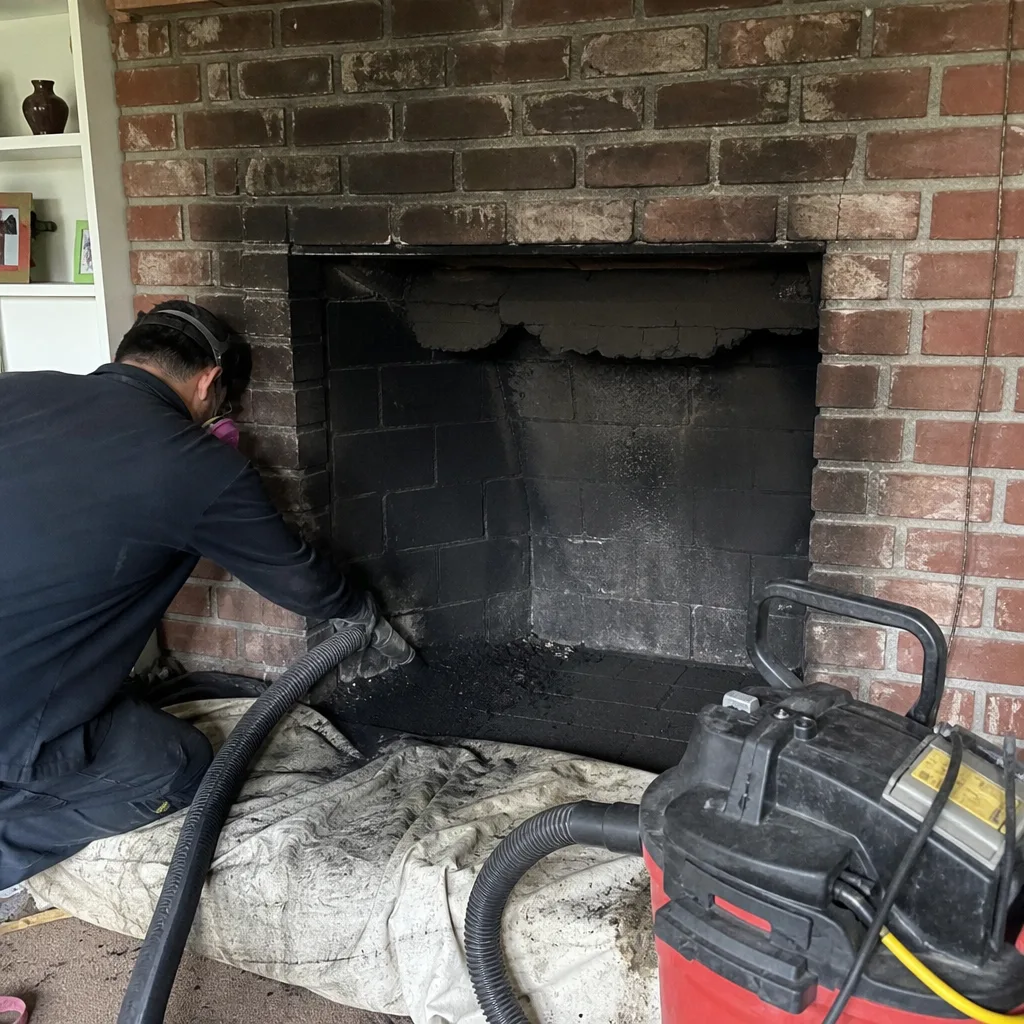 Before
 After
 Before
 After
When to Call a Professional
Call us when the fireplace has gone a season or more without a sweep, when you’re buying or selling a home with a chimney you haven’t lived with, or when you’ve noticed odor, weak draft, visible cracking at the crown or cap, or water staining inside the firebox. Those are the signals that the flue deserves a look before the burn season starts. If you’ve had a chimney fire – even a small one – that’s a Level 2 inspection call, not a cleaning. Stockton Chimney Sweep offers free estimates in Stockton. Call (877) 516-9568. We answer 24/7, and fast dispatch runs from 7am to 7pm, Sunday through Friday. Our technicians have up to 13 years of experience and work with recognized brands like HeatShield and Olympia Chimney.
Frequently Asked Questions
No. A standard chimney sweep is maintenance and doesn’t need a permit from the City of Stockton. The repair that the cleaning uncovers may, depending on its scope, so it’s worth confirming before work begins. Call (877) 516-9568 for an exact quote – estimates are free.
Often yes, because relining changes the venting assembly and has to meet California Residential Code requirements. Whether your specific scope needs a permit depends on local interpretation, so we write the scope down and you confirm with the City of Stockton building department. Call (877) 516-9568 to talk through your flue condition first.
Once a year for any chimney in regular use, with a Level 2 inspection whenever there’s a reason to go deeper, such as a home purchase, a chimney fire, or a change of appliance. If you’ve skipped a year, schedule before the burn season. Call (877) 516-9568 for a free estimate.
Creosote builds up on the flue walls, and in the right conditions that layer can ignite, causing a chimney fire that can damage the liner and spread beyond the flue. Carbon monoxide venting can also be affected if a blockage or damaged liner lets exhaust back into the home. This is why an annual sweep is the baseline. Call (877) 516-9568 to book yours.
A Level 2 inspection covers all accessible portions of the chimney and adds a camera view of the flue interior when the situation calls for it, documented with photos. Insurers handling older masonry homes typically want exactly that kind of documentation. Call (877) 516-9568 and we’ll explain what your report will include.
They don’t change the cleaning itself, but they do guide timing. Book a sweep ahead of the burn season so the flue is clean and inspected before the district’s curtailment calls start shaping how often you fire. Call (877) 516-9568 to get on the schedule before the season.
The Bottom Line
The permit line in Stockton runs between maintenance and structure. Cleaning is maintenance, and it needs no permit. The relining, firebox rebuilds, crown reconstruction, and full reconstructions that cleaning sometimes reveals are the regulated work, and they carry code requirements under California Residential Code Section R1001 and the City of Stockton’s building process. A Level 2 inspection report is the document that sorts one from the other, and the photos in it are what make it useful to an insurer. “Code compliant” on an invoice should mean a named scope and recognized materials, not just a phrase. The through-line for every homeowner is simple: get the flue inspected and documented, and know what your repair scope is before anyone touches the chimney.
If you want that inspection handled by chimney-only specialists who can sweep, inspect, and repair within one relationship – with professional-grade materials like DuraFlex, Gelco, and HeatShield – and who’ll show you the camera evidence before recommending anything, call (877) 516-9568 for a free estimate. We answer 24/7, and fast dispatch runs 7am to 7pm, Sunday through Friday. We’re closed Saturday.
Written by the team at Stockton Chimney Sweep.