
Last updated November 16, 2026
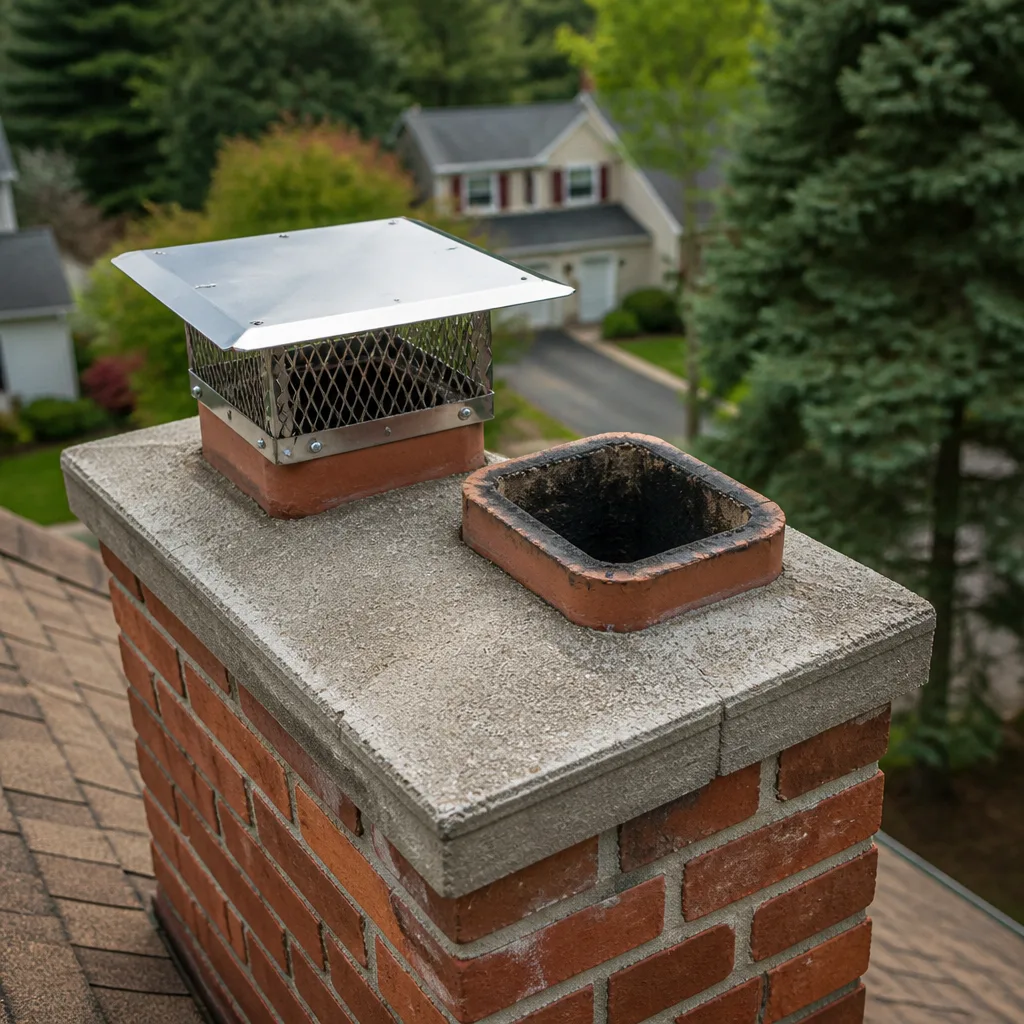 Sweep & inspection
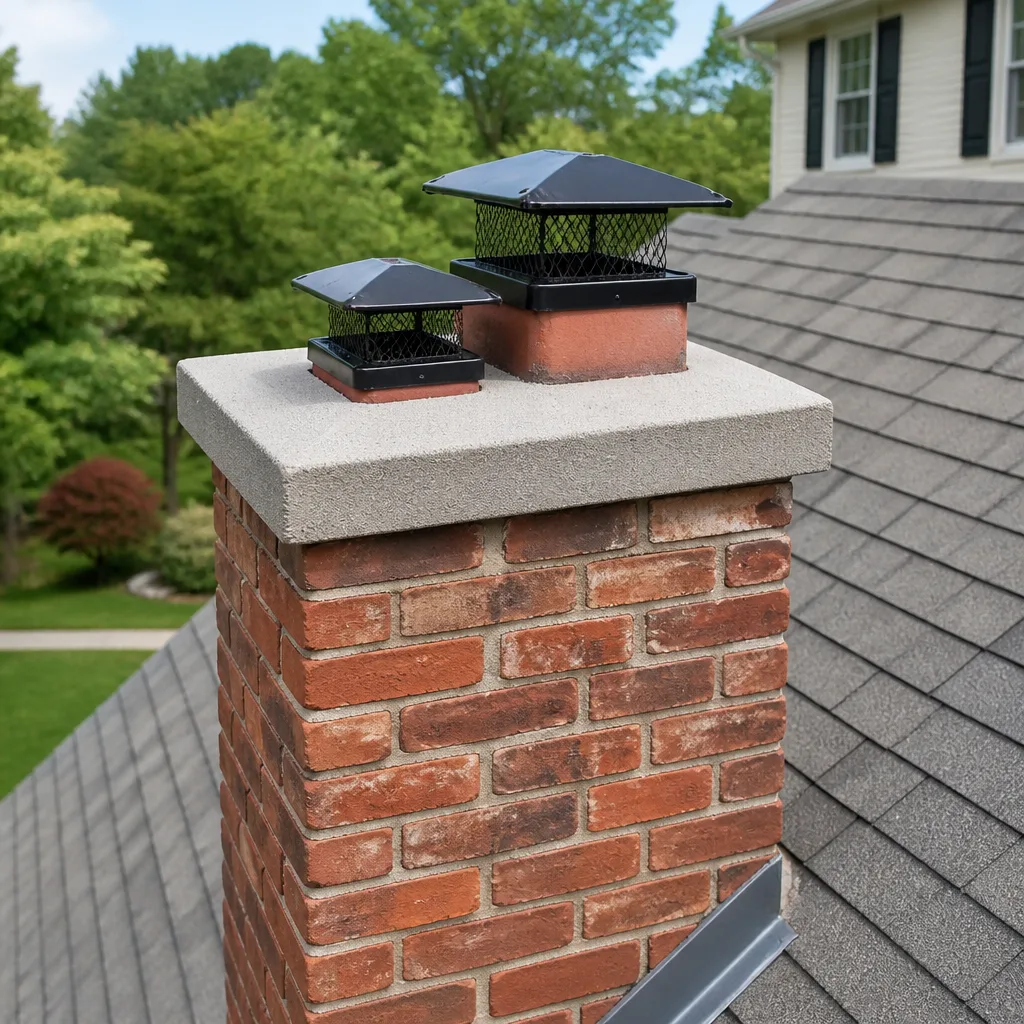 Caps & crowns
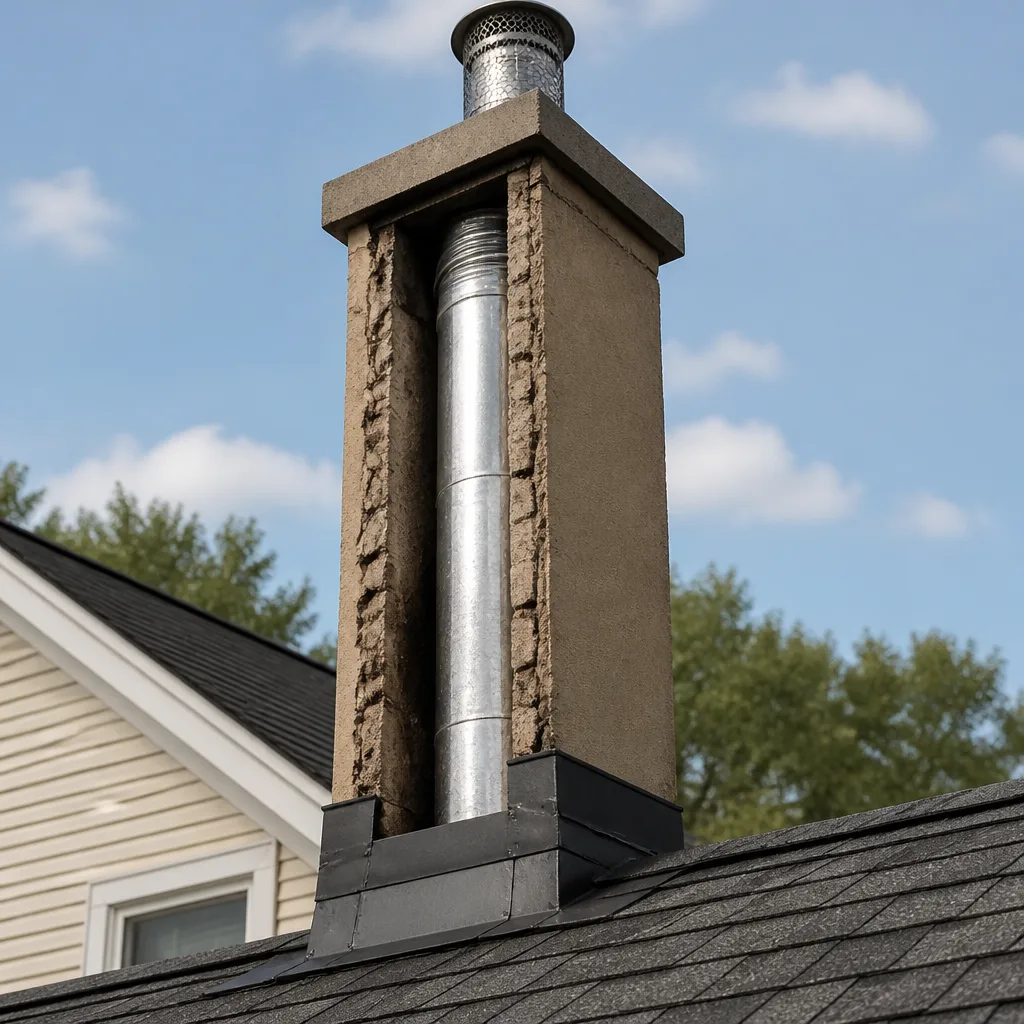 Flue relining
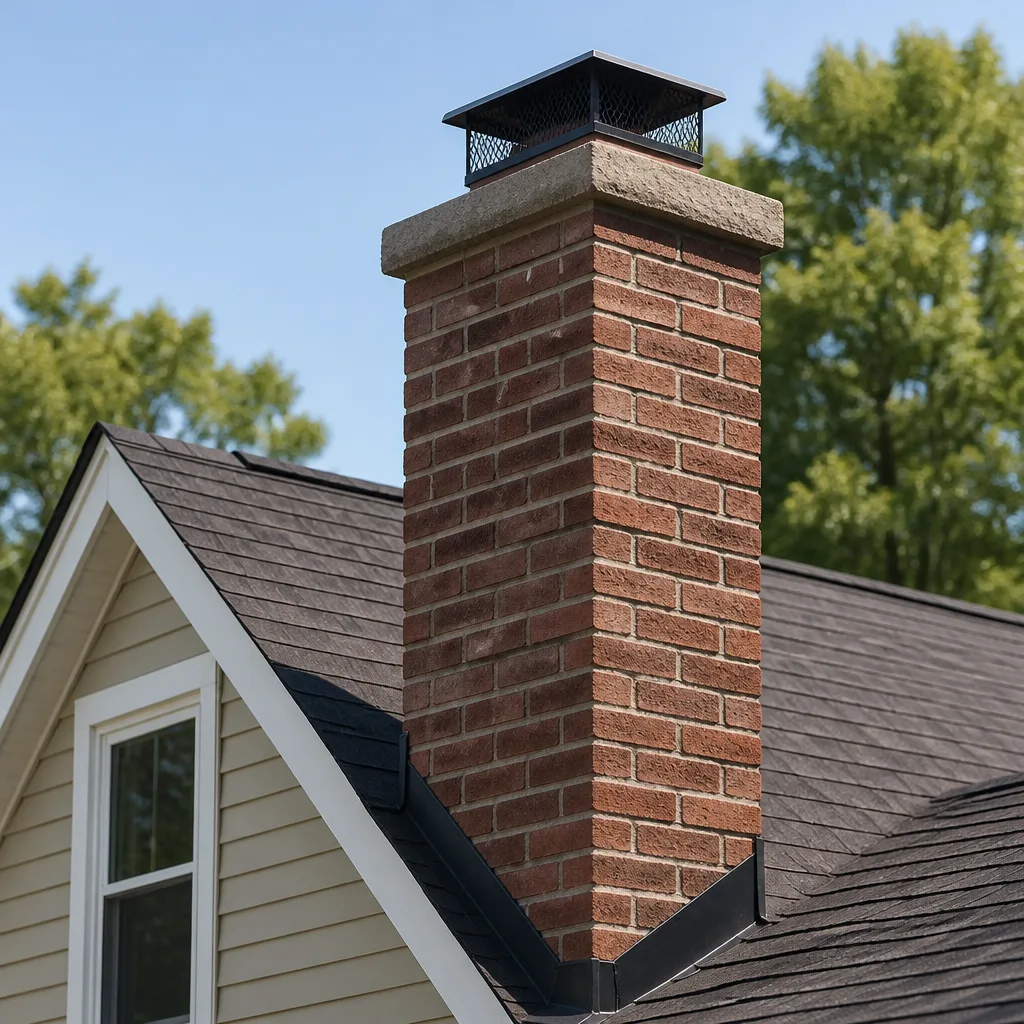 Masonry repair
 Gas fireplace service
Level 1 sweep and inspection to the NFPA 211 annual standard - flue, crown, cap, and flashing checked and photographed
Chimney sweep logs do not sweep chimneys. They loosen some creosote - which then falls where a brush and vacuum still have to collect it.
Chimney Cleaning Emergency Preparedness Guide for Stockton Homes
If you see flames and sparks rising above your chimney cap, the reflex most homeowners have is to grab the phone and call a sweep. That is the wrong first move. In the first four minutes of a chimney fire, the sequence of what you do (and what you don’t) matters more than anything a sweep can accomplish afterward. A house fire that starts in a flue is a race against time, and the right response is not obvious: do you use water, close the damper, evacuate, or call 911 first? This guide walks through the scenarios every Stockton homeowner should know cold: an active chimney fire, a controlled-looking burn that isn’t, a carbon monoxide event, and a Spare the Air day that catches you mid-log. We’ll cover the exact steps, the post-fire inspection you can’t skip, and the warning signs that something inside the flue is already wrong. It’s the protocol you’d want in your head before you ever need it.
Quick Answer
If you have a chimney fire, evacuate everyone, call 911, and do not use the fireplace again until a Level 2 inspection confirms the flue is sound (after a chimney fire, the chimney cannot be used again until a certified inspector completes a Level 2 camera inspection to confirm the flue isn’t cracked or collapsed and that no creosote remains to re-ignite). A chimney fire is a fire in the flue itself, not in the firebox, and it can burn undetected for minutes because the fire is behind masonry or a metal liner. The biggest mistake is dialing the sweep before 911, or assuming the fire is out because the firebox looks normal.
Styles & brands we work with
- Sweep & inspection
- Caps & crowns
- Flue relining
- Masonry repair
- Gas fireplace service
Table of Contents
- The immediate response sequence for a chimney fire
- How to tell an active chimney fire from a dramatic but controlled burn
- Post-fire protocol: why the chimney stays out of service until a Level 2 inspection
- Carbon monoxide scenarios and how a blocked flue causes them
- Preparing for Spare the Air curtailments
- Weather, neighborhoods, and why Stockton homes are vulnerable
- Building a chimney emergency kit
The Immediate Response Sequence for a Chimney Fire
If you suspect a chimney fire, the correct order is evacuation, 911, then documentation. Most homeowners get the first two backwards because they want to talk to a sweep first. That instinct can cost you the house. This is the sequence we walk through with every homeowner we visit anywhere in Stockton:
- Get everyone out of the house. Including pets. Account for everyone at a meeting point away from the structure.
- Call 911. Tell the dispatcher you have a suspected chimney fire, your address, and whether you see smoke or flames from the cap. Do not wait to confirm the fire is real.
- Do not put water in the firebox. Water on a hot flue can crack masonry and liner sections, and on a fire hot enough to be burning in the flue, a bucket of water does nothing to stop it.
- Close the glass doors or firebox door, if you can reach them safely. This limits oxygen and keeps smoke out of the room. Do not reach in or touch a hot handle.
- Do not close the damper. The fire needs to vent up and out. Shutting the damper traps heat, smoke, and creosote gases inside the flue.
- Call a specialist after the fire department arrives and clears the call. That’s the same-day call, not the first call.
The Stockton Fire Department handles active fire emergencies. Your chimney specialist starts working after the fire department clears the scene, and that first post-fire visit is not a cleaning: it’s a Level 2 inspection. Our technicians have up to 13 years of experience and see the aftermath of both handled fires and skipped inspections. A fire that stays inside the flue can still crack tile liner sections, warp a metal flue, or drop debris into the smoke chamber. Even a small fire can leave a chimney unsafe to use.
How to Tell an Active Chimney Fire from a Dramatic but Controlled Burn
Not every loud, dramatic fire is a chimney fire. A well-loaded fire in a cold flue can pop, crackle, and throw tall flames without anything being wrong. A chimney fire has a specific signature: loud roaring or “rumbling” sounds that seem to come from inside the wall, a sound like a freight train, dense black or brown smoke from the cap, and sometimes sparks or visible flames above the chimney top. The signs to watch for:
- Sound: A low roaring or rushing noise from inside the flue is the most reliable early warning. Crackling logs sound different from a rumbling flue.
- Smell: A hot, acrid, burning-rubber or aggressive creosote smell that isn’t just smoke.
- Smoke color: A normal wood fire puffs light gray-white smoke. Dense black or brown smoke pouring from the cap is a warning sign.
- Visible flames above the cap: Flames or sparks escaping the top of the chimney.
- Liner discoloration: If you were outside and the cap looks warped or discolored afterward, treat the fire as a suspected chimney fire until it’s inspected.
A controlled burn is loud but contained; it stays in the firebox and vents cleanly up the flue. A chimney fire is happening inside the flue itself, often behind masonry, and can burn a house from the inside out without visible flames in the room. If you aren’t sure, treat it as the real thing. Evacuating for a controlled burn that turned out fine costs you a few minutes. The reverse costs the house.
Post-Fire Protocol: Why the Chimney Stays Out of Service Until a Level 2 Inspection
After any chimney fire, the fireplace and chimney are out of service until a Level 2 inspection is completed. No exceptions, and no “just one more fire to see.” A fire in the flue can leave cracks inside tile liners you can’t see from the firebox, separate sections where the fire was hottest, and leave glazed or hardened creosote that re-ignites easily. Using the fireplace again before the inspection risks cracking a liner you already damaged, or worse, a carbon monoxide path into the house.
A Level 2 inspection is a camera-based inspection of the entire flue, not just a look up the firebox. It’s what we’re trained to do at Stockton Chimney Sweep. The inspector is looking for:
- Cracks in tile liners or separated flue sections
- A cracked or missing chimney cap and its effect on water intrusion
- Collapsed or disconnected metal liners in a factory-built fireplace
- Glazed creosote buildup that survived the fire and can re-ignite
- A warped flue or heat-damaged masonry near the firebox
If the inspection finds a compromised flue, the repair is not always a full rebuild. A DuraFlex flexible liner system can reline most older masonry flues without tearing out the masonry. In some cases, HeatShield ceramic resurfacing can restore a flue from the inside. Both exist to give you a code-compliant repair at a lower cost than demolition. If the fire leaves the flue in decent shape, the inspection ends with a cleaning and a written report. Your chimney is back in service when the inspection says it’s safe, and not before.
Carbon Monoxide Scenarios and How a Blocked Flue Causes Them
A chimney’s whole job is to pull smoke and combustion gases up and out of the house. Anything that blocks that path sends carbon monoxide backward into living space. The “blocked flue” scenario gets a lot less attention than a fire, but it’s the one most likely to harm a sleeping family. The house can fill with gas before anyone notices. The conditions that cause it:
- A collapsed liner that falls across the flue, blocking the draft path.
- Animal obstruction (bird or squirrel nests in the flue, or a bird that fell in) which is common in Stockton’s older neighborhoods.
- Heavy soot or creosote buildup that narrows the flue to the point where draft fails on a cold start.
- A negative pressure situation where other exhaust fans in the house pull air back down the flue.
- A cold-start misfire where the flue never warmed enough to pull a draft.
The warning signs before a detector goes off: a fire that smokes into the room on a cold start, a fire that won’t pull, a “chimney smell” (the sharp, stale smell of a flue with a draft problem), headaches or nausea that come on in a room with a fire and ease when you step outside, and a fire that seems fine one day and refuses to draft the next. House carbon monoxide detectors are your backstop, not your first warning. If a detector alarms, get everyone outside and call 911, then call a chimney specialist to inspect the flue after the fire department clears the call. A Gas fireplace that has never been inspected, or one with an animal nest in the vent, is a realistic setup for a CO event. An inspection and a Gelco cap installation to keep animals out is the fix.
Preparing for Spare the Air Curtailments
On some winter days Stockton is under a Spare the Air alert or a curtailment order, and burning is restricted or banned. Homeowners who have been caught by an alert while holding a wheelbarrow of wood ask whether there’s any exemption they can use. The answer is narrow: check the day’s air quality alert on the official Spare the Air site or by phone and follow the curtailment designation for the day before lighting up. Most Stockton winter curtailment days don’t surprise a homeowner who checks the alert each morning during the burn season, but the emergency exemption (typically for a home whose only heat source is a wood stove) is not automatic and requires documenting the situation. If you rely on wood as a heat source, know that exemption and call the air quality office the same day, and keep your written record for as long as required.
Our recommendation is simpler: during burn season, check the alert before the first fire of the day. If a curtailment is on, skip it. The bigger picture is the chimney. Regular sweeping, with a full Level 2 inspection before each burn season, keeps your flue safer on the days you do burn. If you’ve never had that pre-season inspection, schedule it before the weather turns in Stockton, not on the first cold night when you’re already in curtailment. It’s the calm preparation that makes the emergency easy.
Weather, Neighborhoods, and Why Stockton Homes Are Vulnerable
We see the same patterns across Stockton because a lot of the housing stock was built in the same eras and with the same materials. Older homes in neighborhoods around Victory Park, the Miracle Mile, and the north Stockton blocks near Calaveras County often have clay tile liners in varying condition. Tile liners crack faster than metal ones, and cracks let creosote seep into the masonry. That’s more fuel for a chimney fire and more paths for carbon monoxide. Newer subdivisions on the north side and in Mountain House have more factory-built fireplaces with metal liners, which fail differently: a joint separates, the liner disconnects from the top, and the fire is no longer exhausting out of the top of the chimney. Both are reasons a chimney fire in Stockton can look calm from the living room.
Central Valley winters are mild compared with the mountains, but burn season is still months, and Stockton’s air quality alerts during the winter mean the flue gets used heavily on some days and not at all on others. That pattern produces cold-start draft problems and creosote that sits in a cooling flue. We work with the material brands that hold up in that cycle, DuraFlex and Olympia Chimney among them, and we’ve seen what a properly sized Gelco cap does to keep water and animals out of chimneys in neighborhoods where both are common.
Building a Chimney Emergency Kit
You don’t need a cabinet of gear, but a small kit near the fireplace is worth having. Put this together in a shoebox or a simple container and keep it where you can find it without turning on a light:
- A working carbon monoxide detector, tested monthly and not expired.
- A working smoke detector on the same floor as the fireplace, and one in the hallway outside each bedroom.
- A fire extinguisher rated for chimney and house fires (a standard ABC extinguisher) with the date on it within the manufacturer’s window.
- A small flashlight and a printed copy of the emergency contact number for 911 and for a chimney specialist.
- Your Spare the Air alert number written down, or the bookmarked page on your phone.
- The last inspection report and service receipt, so a fire department or a specialist can see the flue history.
One more item worth adding: the name of your chimney specialist, written down next to the phone. Not a phone number buried in your email. In the moment you need it, it should be in front of you. Call (877) 516-9568. We answer 24/7. Fast dispatch from 7am to 7pm, Sunday through Friday. A call outside dispatch hours is booked into the next opening, Sunday through Friday, 7am to 7pm.
Common Mistakes to Avoid
- Calling a sweep before 911 during an active chimney fire. The fire department handles the fire first; a sweep comes after they clear the scene. That call sequence matters more than speeding up the appointment.
- Thinking the firebox looking normal means the chimney is safe. The fire is inside the flue, often behind masonry, and it leaves damage you can’t see from the living room.
- Turning on the fireplace after a fire because “it looks fine” and you want to test it. That’s a hard no until a Level 2 inspection clears the flue. Testing it is exactly what can push it from damaged to dangerous.
- Guessing at a blocked flue because the fire “just won’t draw”. A cold-start draft problem is different from a collapsed liner or a nest, and the difference is what a camera inspection shows, not a visual from the top.
- Using a chimney that has never been inspected just because you’ve never had a problem. Carbon monoxide and undetected liner cracks don’t announce themselves until they do. A baseline inspection is the only way to know the flue’s condition.
- Burning during a Spare the Air curtailment on the assumption of an emergency exemption. Confirm the day’s alert, know the narrow exemption, and keep written documentation if you claim it. Stockton alert rules are enforced, and a fine is avoidable.
- Letting a chimney cap go missing because the flue works fine without it in dry months. A missing or loose cap lets in rain, animals, and debris, which sets up the blocked-flue scenario that produces the CO event you’re trying to prevent.
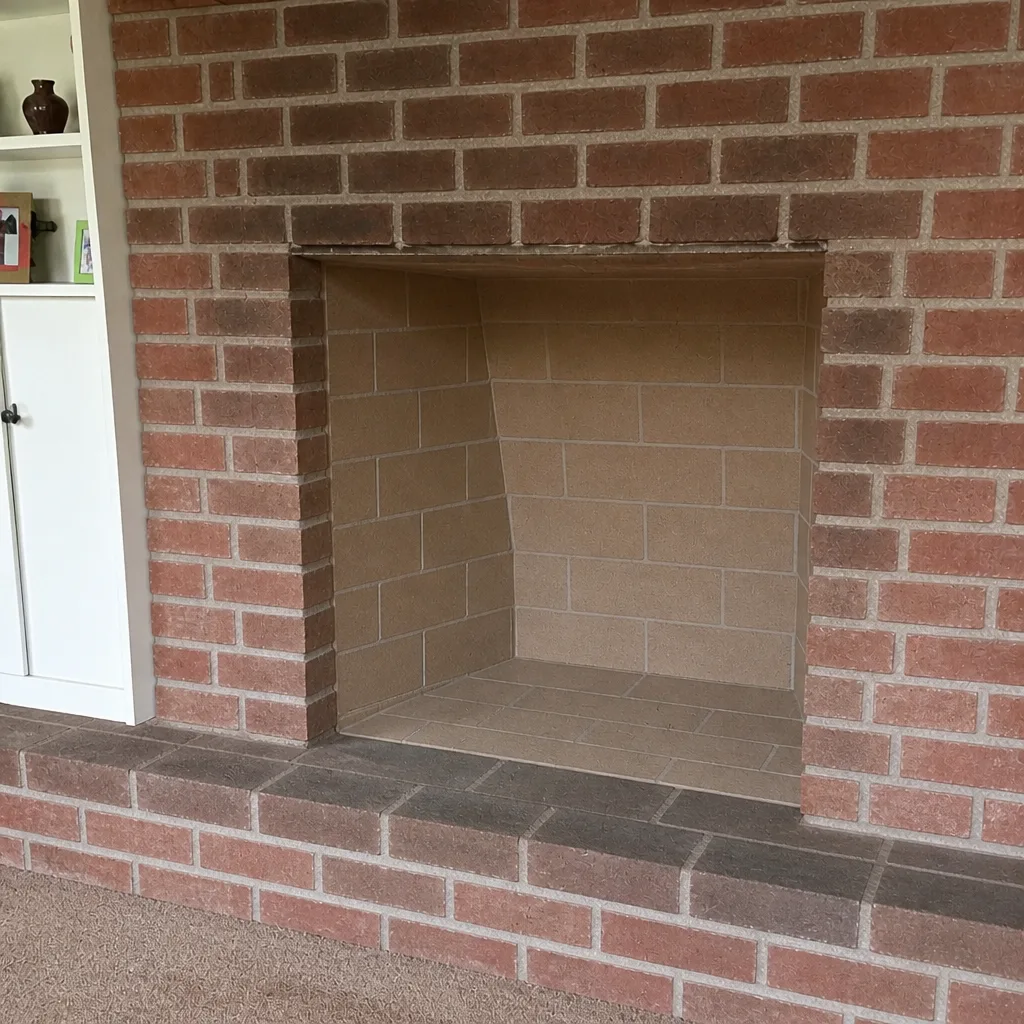
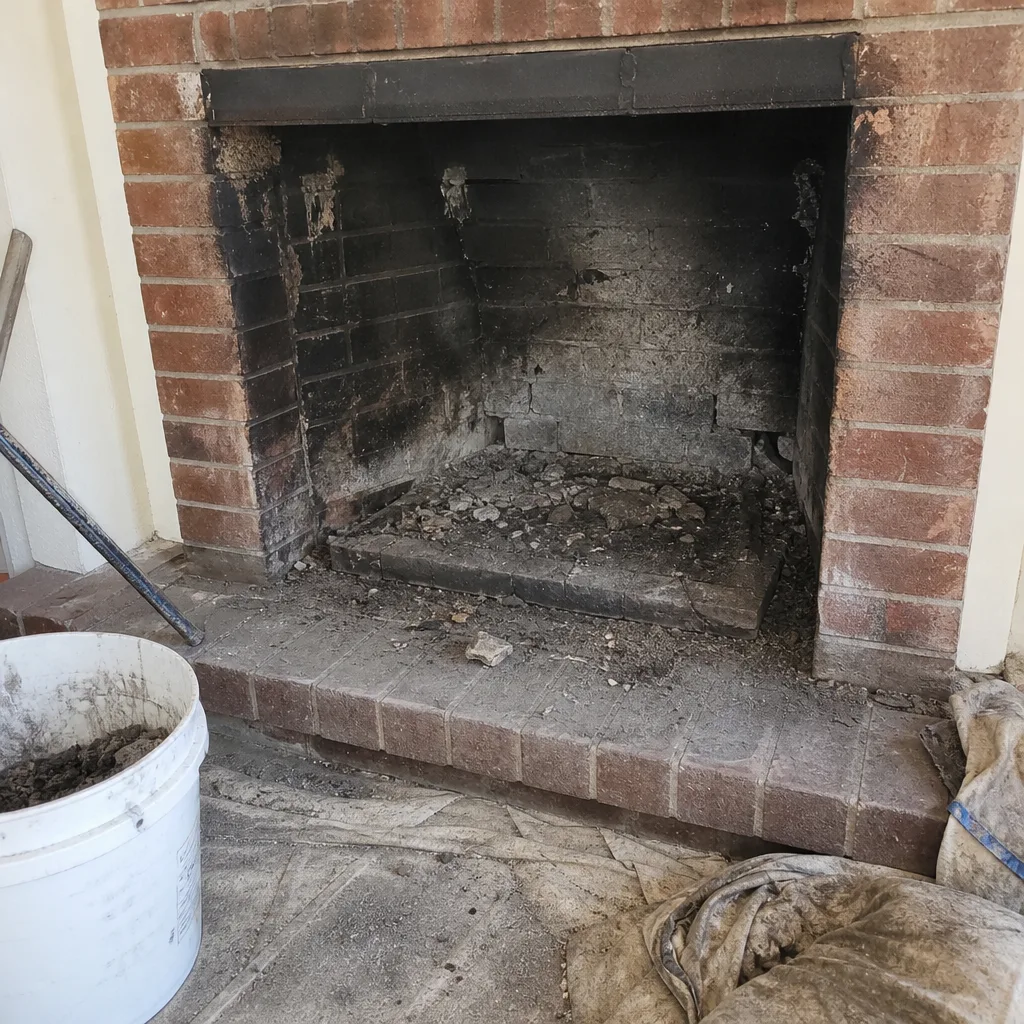
See the difference
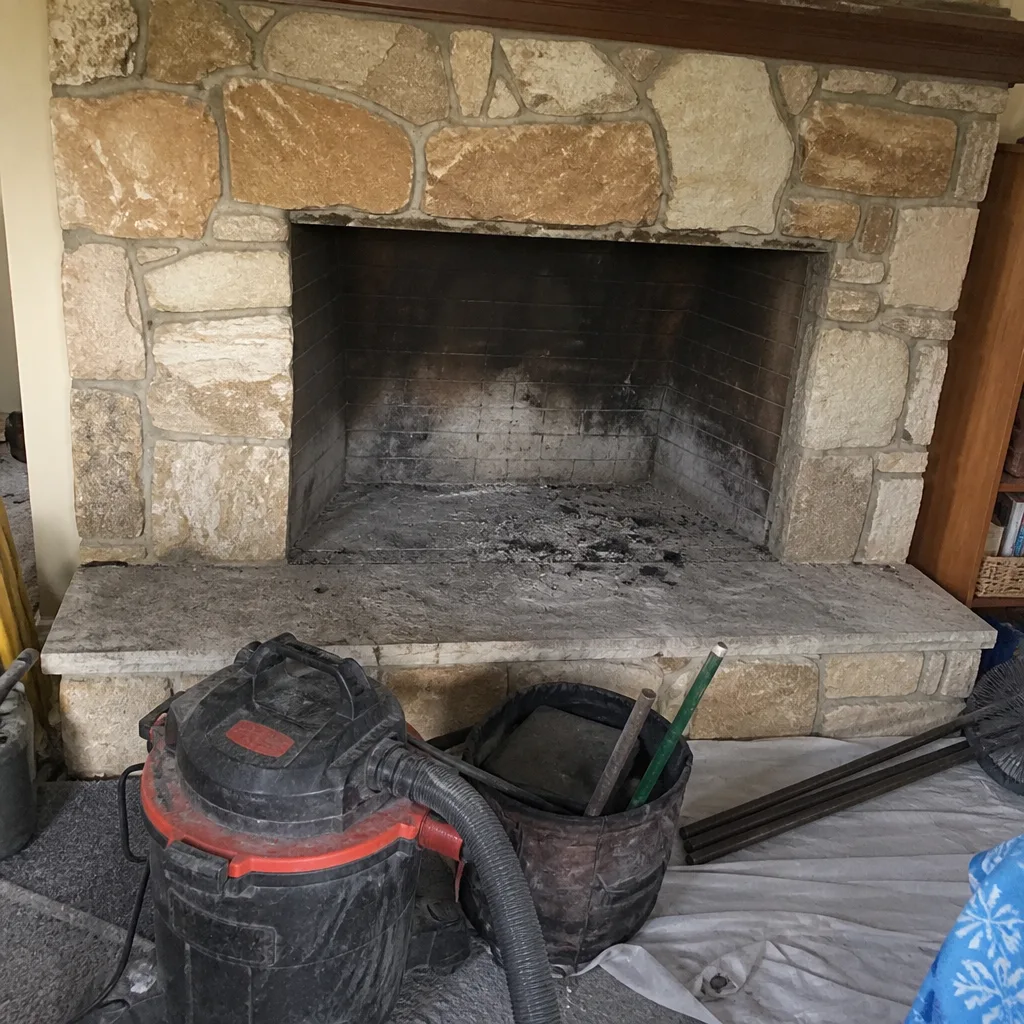 Before
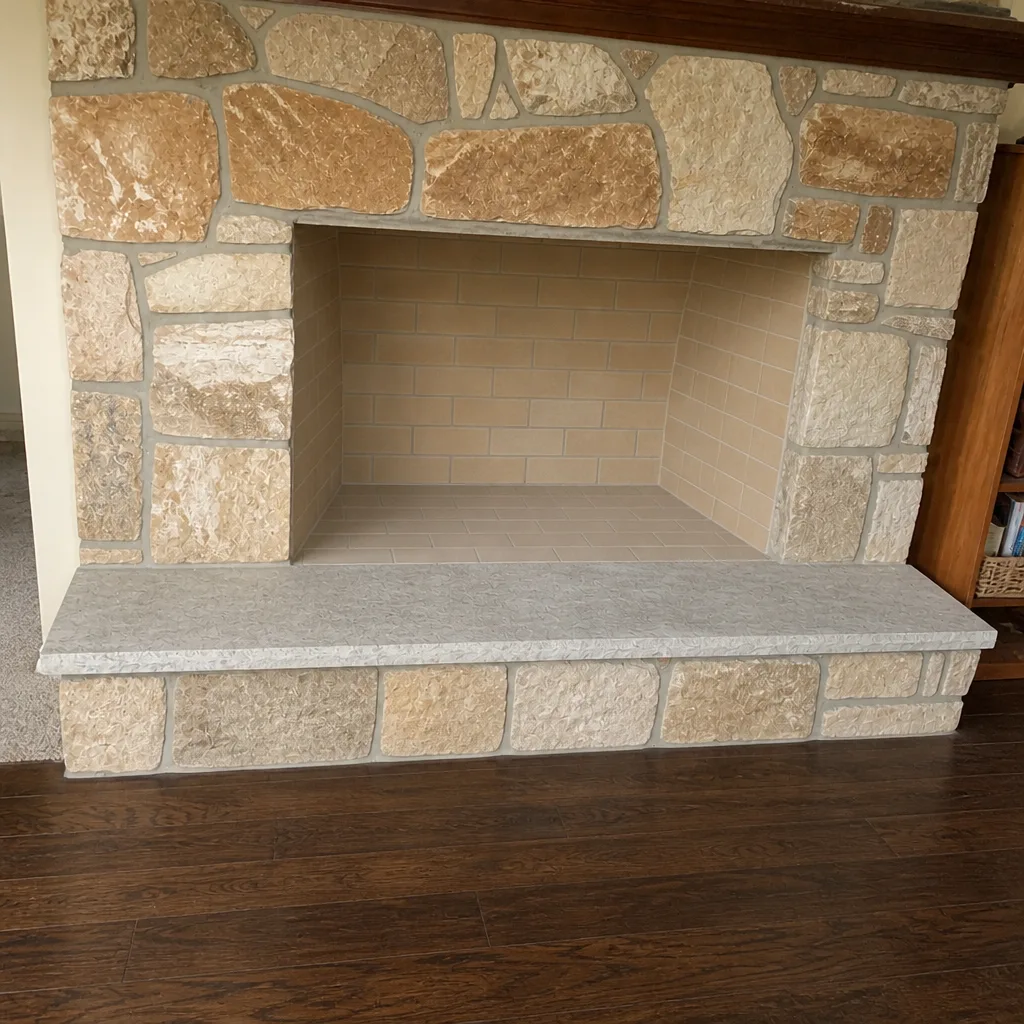 After
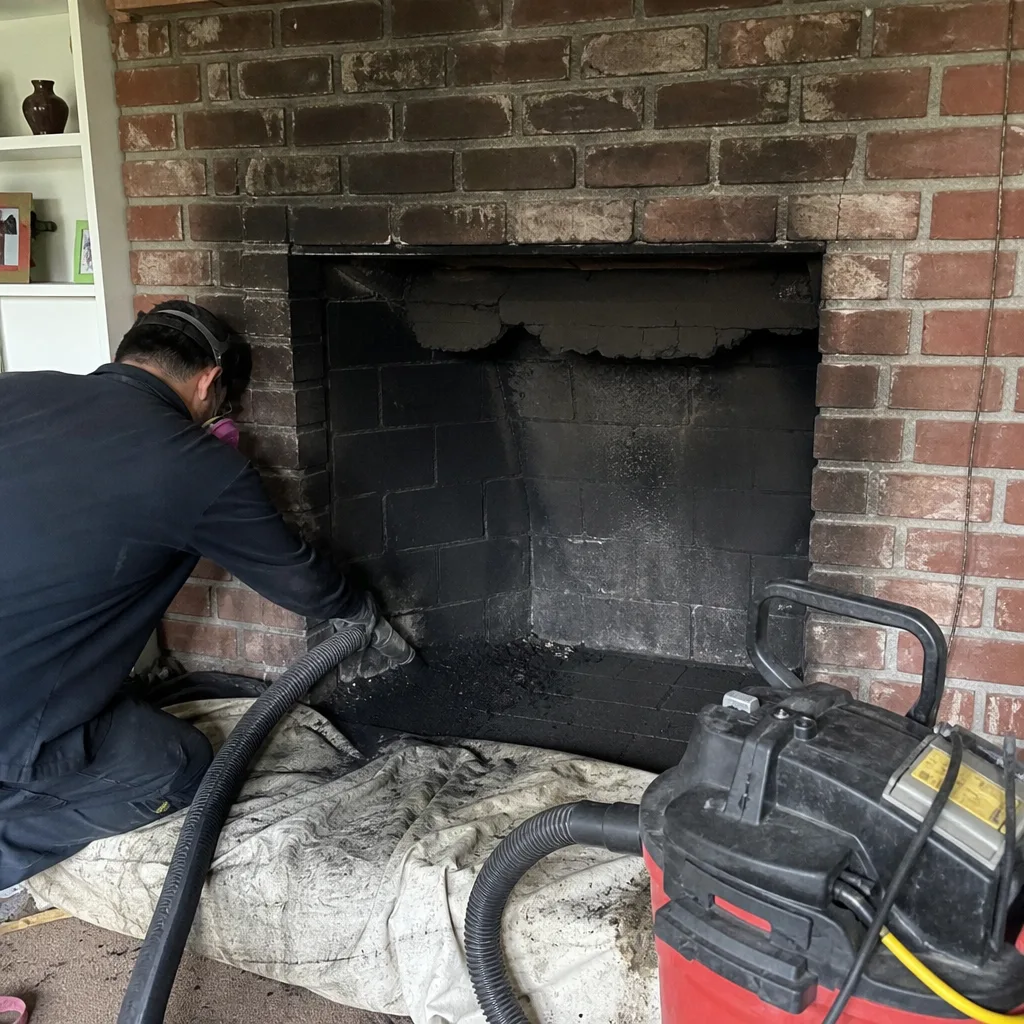 Before
 After
 Before
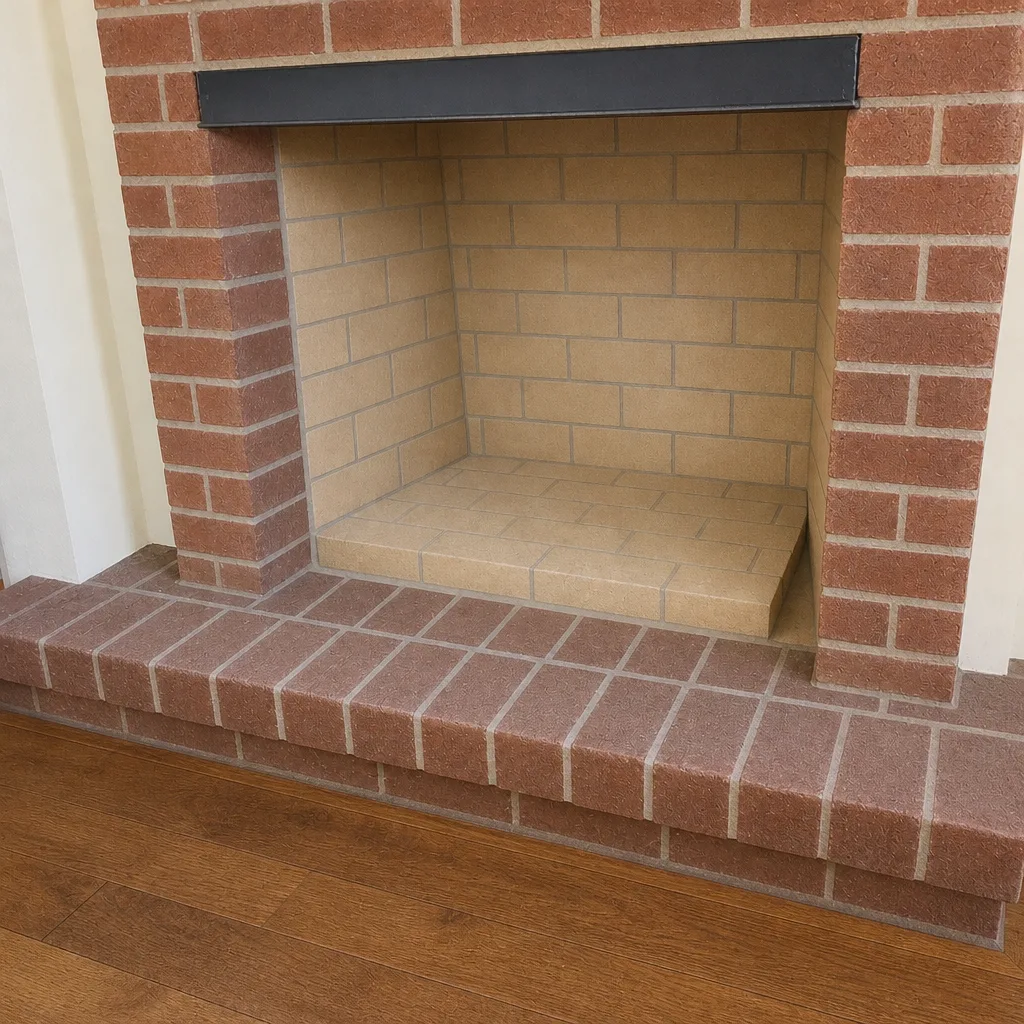 After
When to Call a Professional
Call a chimney professional when the fire department has cleared the scene after a fire and you need a Level 2 inspection, when a carbon monoxide detector has alarmed and you need a flue inspection after the fire department responds, when the fire smokes into the room on cold starts, when you smell a chimney odor you can’t place, or before burn season if the fireplace hasn’t had a camera inspection. If you can see a damaged cap, a cracked flue or a liner that looks like it has collapsed, don’t use the fireplace until a technician inspects it. Stockton Chimney Sweep offers free estimates in Stockton. Call (877) 516-9568. We answer 24/7. Fast dispatch from 7am to 7pm, Sunday through Friday. If a call comes in outside dispatch hours, we book it into the next opening. Inspect first, recommend honestly, and nothing is recommended without the evidence of a camera inspection you can see for yourself.
Frequently Asked Questions
A chimney fire usually produces a loud roaring or rumbling sound from inside the flue, dense black or brown smoke from the cap, and sometimes flames or sparks above the chimney top. A normal fire crackles and puffs light smoke from the cap but stays contained in the firebox. If you hear a rumble inside the wall, evacuate and call 911 first.
Skipping the Level 2 inspection risks using a flue with a cracked tile, a separated section, or trapped creosote that can re-ignite, and it can send carbon monoxide into the house. The inspection is the only way to know what the fire did inside the flue. Call (877) 516-9568. We answer 24/7. Fast dispatch from 7am to 7pm, Sunday through Friday.
Smoke rolling back into the room on a cold start, a fire that won’t pull a draft, a sharp chimney smell, headaches or nausea in the room that ease outside, and a fire that behaved normally yesterday but won’t draft today are the common warning signs. The detector is a backstop. Call a specialist to inspect the flue if you see any of these signs.
No. Closing the damper traps heat, smoke, and unburned creosote gases inside the flue and can force them into the living space. Leave the damper open, close the firebox doors or glass if you can do so safely, and evacuate. A fire department will handle the fire before a sweep becomes involved.
Only when the day’s alert allows it. Stockton winter curtailment orders prohibit burning on certain days, and the emergency exemption for a wood stove that is the home’s only heat source is narrow, not automatic, and requires written documentation. Check the day’s alert before you burn. If the flue hasn’t been inspected, schedule the inspection before burn season rather than on a curtailment day.
A Level 2 camera inspection is the baseline for any unknown flue, and we recommend it before every burn season, plus a full inspection after any suspected chimney fire. If your fireplace hasn’t had an inspection since you moved in, that’s your first appointment, not a cleaning. Call (877) 516-9568. We answer 24/7. Fast dispatch from 7am to 7pm, Sunday through Friday.
The Bottom Line
The protocol is short and worth memorizing: evacuate, call 911, don’t pour water on the fire, don’t close the damper, and treat the chimney as out of service until a Level 2 inspection clears it. A dramatic fire in the firebox is normal; a roaring fire inside the flue is not, and the difference matters in the first few minutes. Carbon monoxide is the quiet scenario, and the blocked flue or collapsed liner behind it is invisible without a camera inspection. A pre-season inspection, a fitted cap, and a working detector are what turn an emergency into a handled event. Call (877) 516-9568 for a free estimate. We answer 24/7. Fast dispatch from 7am to 7pm, Sunday through Friday. If you want a full-service partner for sweep, repair, and inspection, you can reach our Stockton Chimney Sweep team, book a chimney sweep before burn season, schedule chimney repair after a fire, and see our service area around Stockton.
Written by the team at Stockton Chimney Sweep.