

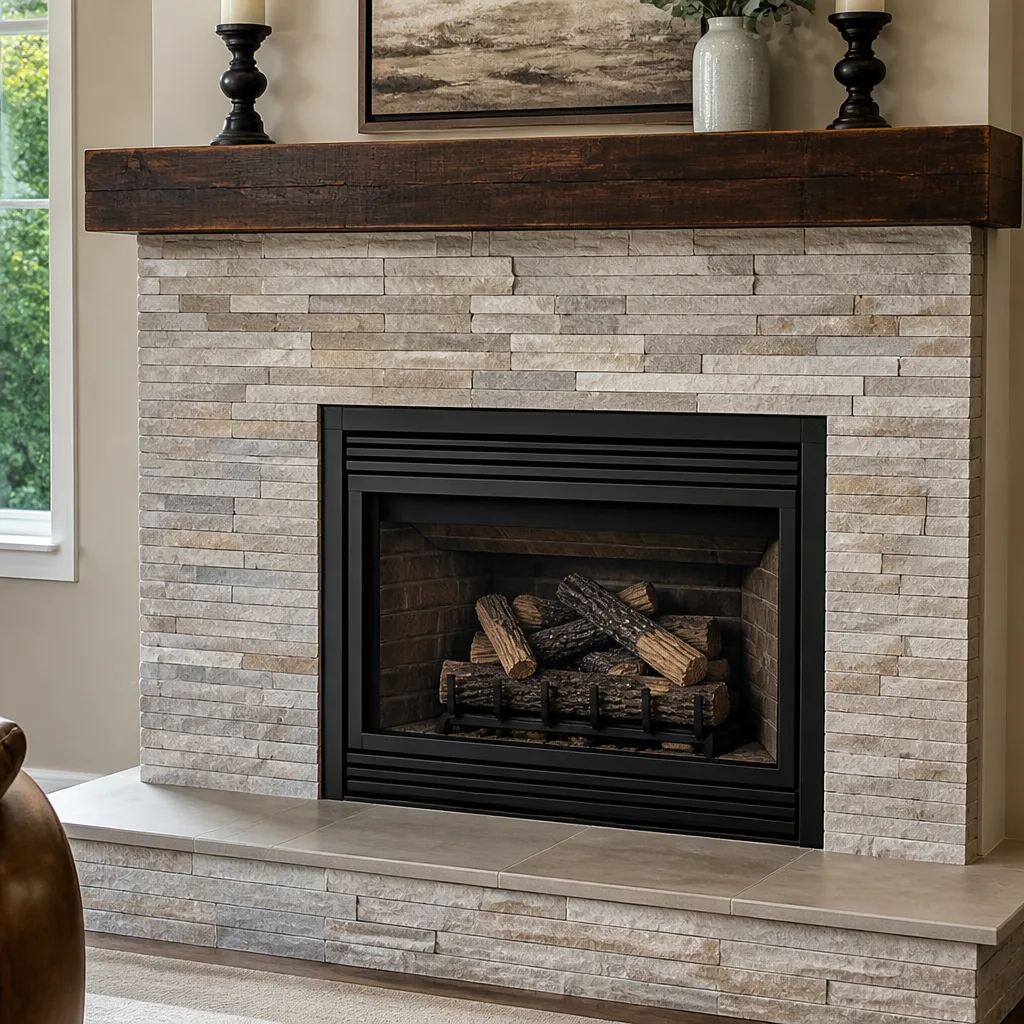
 Gas fireplace service
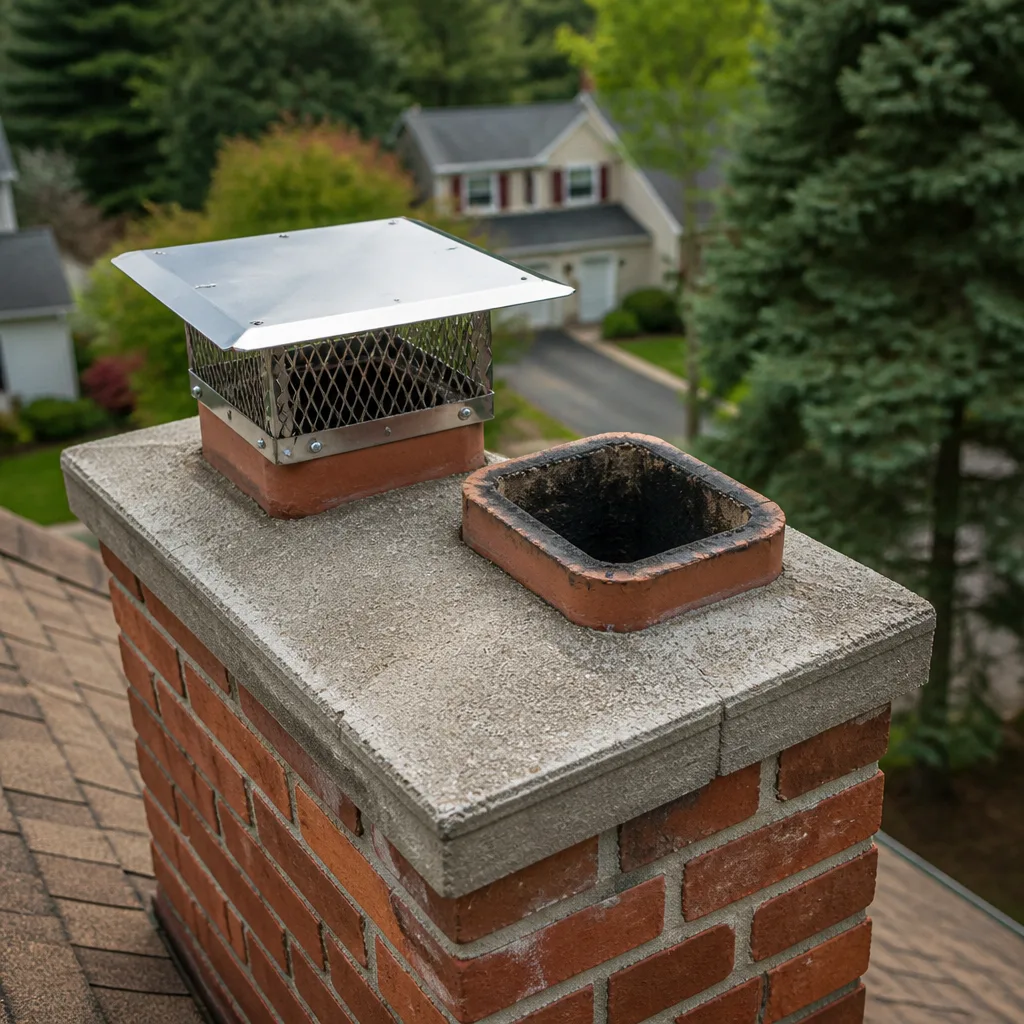 Sweep & inspection
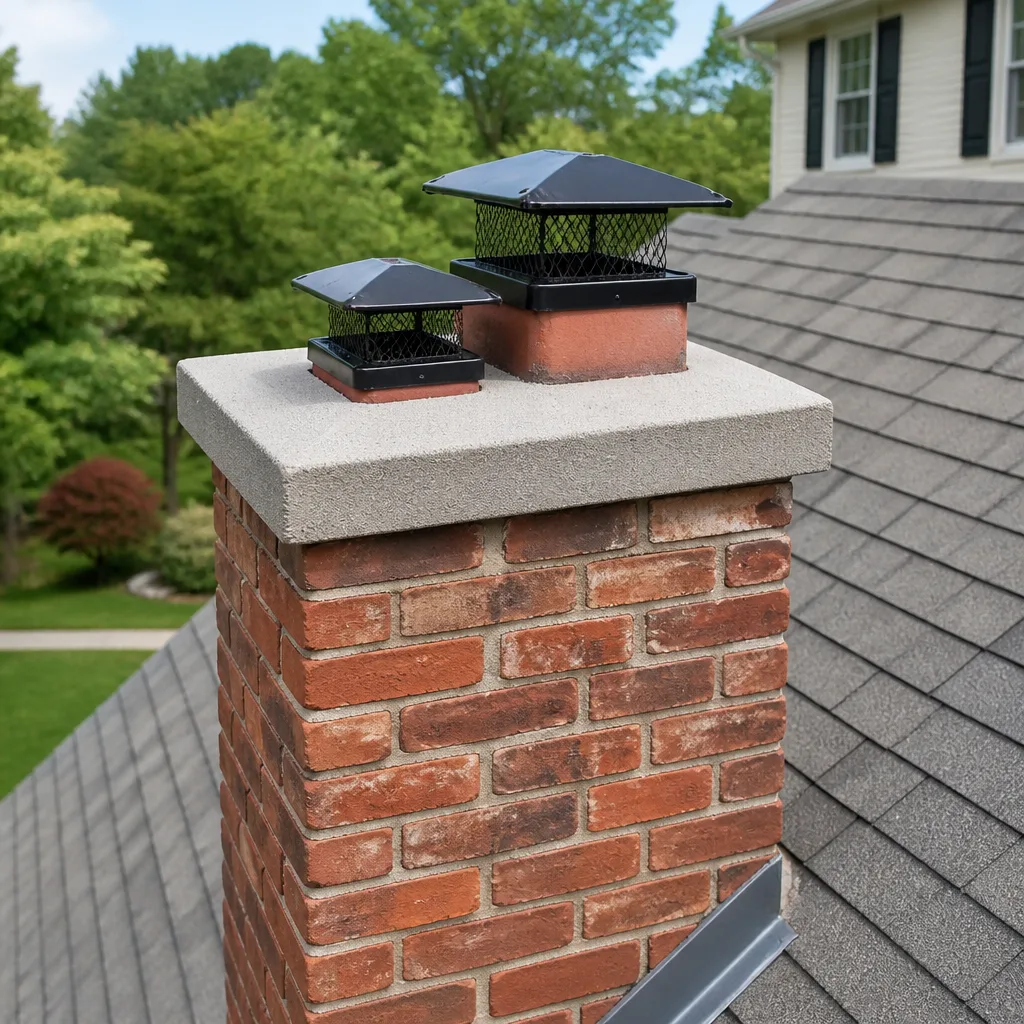 Caps & crowns
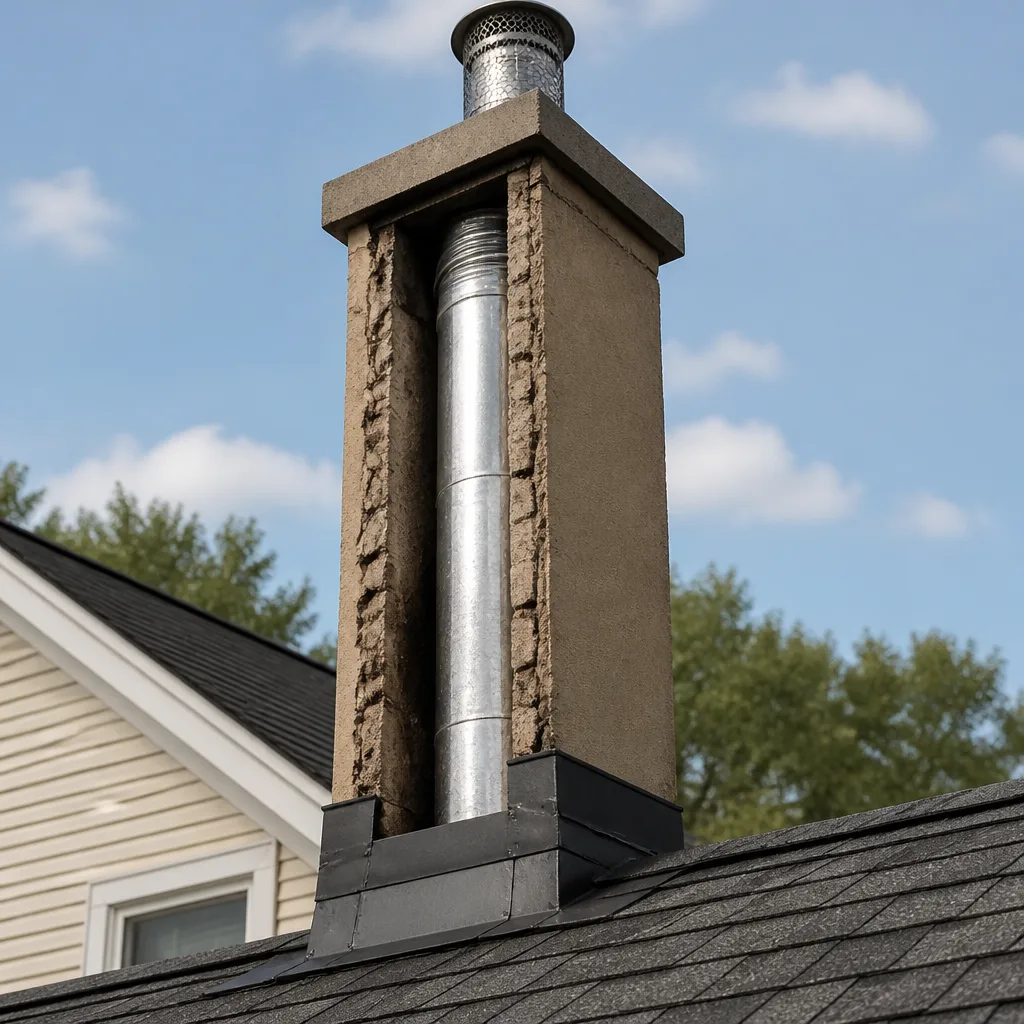 Flue relining
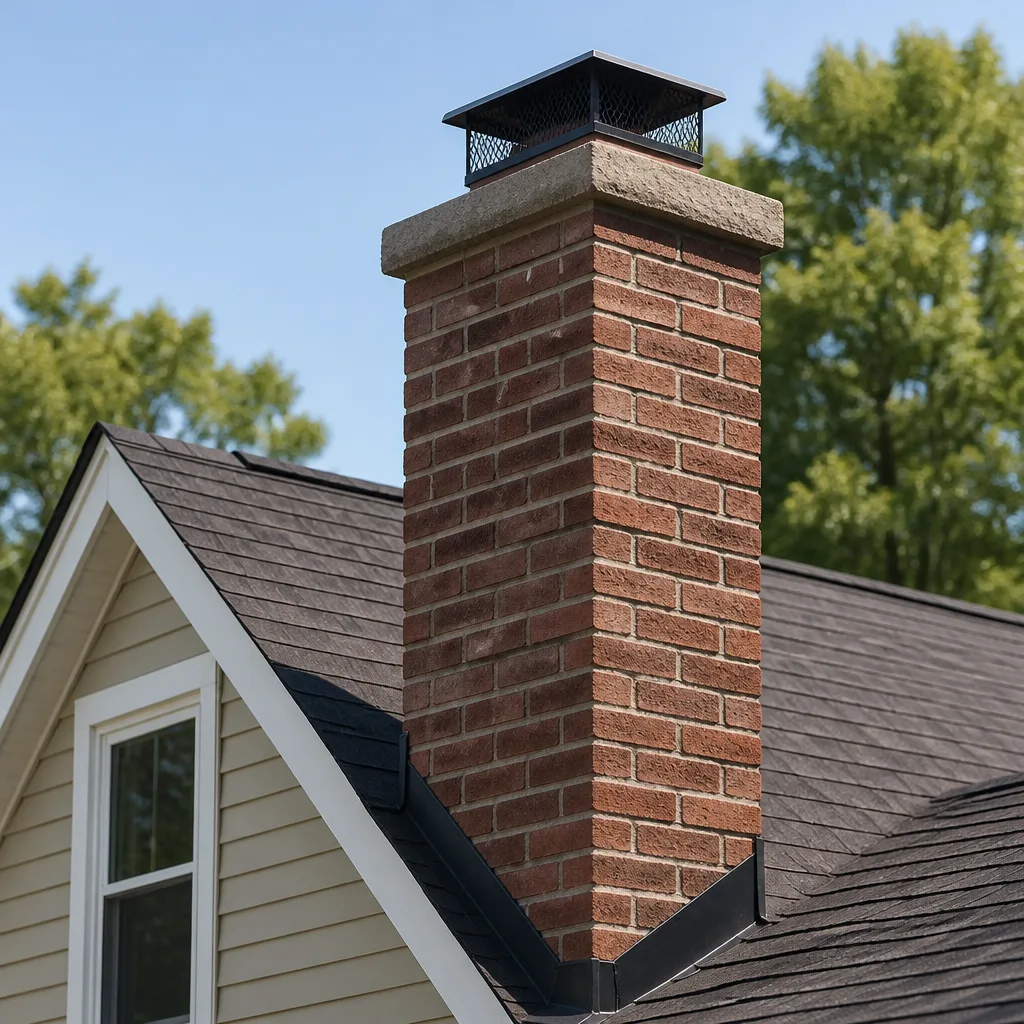 Masonry repair
Level 1 sweep and inspection to the NFPA 211 annual standard - flue, crown, cap, and flashing checked and photographed
Chimney sweep logs do not sweep chimneys. They loosen some creosote - which then falls where a brush and vacuum still have to collect it.
Why Stockton Homeowners Choose HeatShield Chimney Cleaning
We provide independent HeatShield chimney cleaning and service in Stockton, which means we clean, inspect and repair flues that have been resurfaced with a HeatShield cast-in-place refractory lining – and we do it without any factory affiliation. What sets our HeatShield work apart is that we read the liner as an installed system: the finished surface, the insulation joint, the crown above it and the smoke chamber below it all get judged together, because that’s where the real answers live. HeatShield is a flue resurfacing product – a cast-in-place refractory mortar lining applied over existing flue walls – and it behaves differently from bare brick or a factory-built flue.
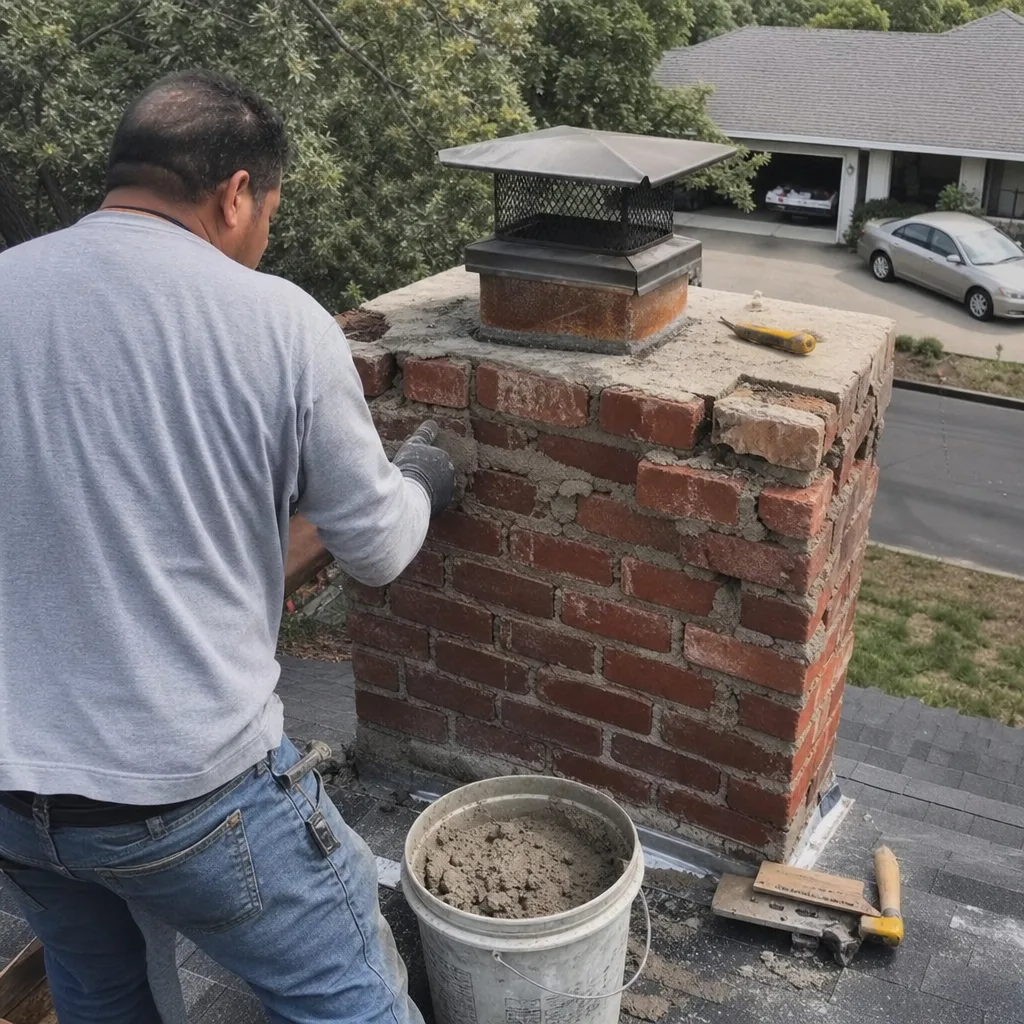
Stockton Chimney Sweep is a chimney-only specialist. Sweeping, repair and inspection all sit inside one focused trade, and every technician’s attention stays on flues rather than spread across a dozen unrelated jobs. Our technicians have up to 13 years of experience, and they work with professional-grade materials on every job.
Let’s be clear about one thing up front: we are an independent HeatShield service provider. Stockton Chimney Sweep is not affiliated with, authorized by or certified by HeatShield. We’re a local chimney shop that knows this kind of lining well. Call (877) 516-9568 to book.
Why Trust Stockton Chimney Sweep for Your HeatShield Chimney Cleaning?
Trust in HeatShield work comes from pattern recognition. Independent sweeps in Stockton encounter HeatShield thermally cured cast-in-place liners installed across decades of product revisions, and the value we bring is knowing how those generations of lining actually age in this valley – not reciting a single factory script. The expertise sits in reading the liner’s finished surface and insulation joint as a system that was installed in a real flue, with all its quirks.
That matters because HeatShield is a proprietary installed system. When any repair is attempted, genuine system components and installer-grade refractory materials matter. Generic mortar patched onto a HeatShield surface usually fails again, and it can compromise the bond to the host masonry. We use quality parts that fit the equipment we’re working on, and we work in a warranty-safe way so a cleaning or a repair doesn’t create a problem the manufacturer would later decline to stand behind.
Stockton’s particular situation sharpens all of this. The city’s 100+ degree summer heat means many fireplaces sit unused for months, then the winter fog season brings heavy use all at once – so a Stockton sweep has to screen for creosote glaze and soot buildup that only shows up when the first cold snap hits. On a HeatShield-resurfaced flue, that seasonal swing also reveals liner wear that a quick brush-and-vac never catches. We inspect first and recommend honestly.
Styles & brands we work with
- Sweep & inspection
- Caps & crowns
- Flue relining
- Masonry repair
- Gas fireplace service
Common HeatShield Chimney Cleaning Problems We Fix in Stockton
HeatShield linings are tough, but they fail in recognizable ways. Here are the patterns we see most often on Stockton flues.
- Surface spalling and delamination on the fire side. The cured refractory lining can flake and pit where the original flue tile was cracked or oily before resurfacing. That’s why the pre-installation condition of the host flue matters so much – a lining applied over a compromised substrate has less to hold onto, and heat cycles work it loose. Gritty residue in the firebox is the early sign.
- Cracking at the top termination and smoke-chamber transition. These two points take the most stress and the most water. A crack there lets water track behind the cured shell and soften its bond to the host masonry. The liner often looks fine from inside the firebox while the real damage starts at the very top of the flue.
- Loss of insulating backfill or a cold joint in the mix. When the insulating backfill around the liner form settles, voids or a cold joint can form in the mix. The result is a liner that runs cold and wet: condensation, glazed creosote and a chalky, musty surface between burns. This one is genuinely hard to spot without camera inspection.
- Misjudging HeatShield as a cure-all on an oversized or offset flue. Resurfacing seals a flue, but it doesn’t resize one. On a flue that’s too large for the appliance or badly offset, you get draft problems and heavy soot deposition that look like a cleaning failure. They’re a sizing issue, and no amount of sweeping fixes them.
- Water intrusion from a failed crown above the liner. The most common HeatShield failure we see isn’t the liner at all – it’s the crown and cap above it. Once the crown cracks, water reaches the liner top, and the surface turns wet and chalky. Homeowners often assume the lining has failed when the crown is the real culprit.
HeatShield Parts & Our Repair-vs-Replace Approach
Because HeatShield is a proprietary installed system, the honest stance on parts is that genuine system components and installer-grade refractory materials matter whenever a repair is attempted. We don’t claim to stock or carry OEM or genuine HeatShield parts, and we’re not a HeatShield dealer. What we do is use quality parts that fit the equipment and install them in a way that respects how the original system was built. Patching generic mortar onto a HeatShield surface is the shortcut that comes back.
Repair versus replace comes down to two questions: is the liner structurally breached, and is the flue correctly sized for what it’s venting? Many HeatShield liners are cleanable and serviceable for years with proper sweeping and crown and water management. Replacement is only warranted when the liner is genuinely breached or the flue is badly mis-sized. We won’t recommend thousands of dollars of liner work without camera evidence you can see for yourself.
If you’re weighing a repair against a replacement, call (877) 516-9568 for a free estimate. The written estimate sets the final price.
Our HeatShield Service Process – Step by Step
- 1
Diagnosis. We start with a Level 2 Inspection, running a camera through the flue and photographing the liner surface, the insulation joint, the top termination and the smoke-chamber transition. We’re looking for spalling, chalky wear, cracks and water tracking behind the shell.
- 2
Repair or installation. If the lining is sound, we clean it with a poly brush suited to the refractory surface and address what’s actually failing. If the problem is the crown, top plate or cap, we correct that – because a HeatShield flue almost always fails from the water side first.
- 3
Test. We check draft, confirm the flue is pulling correctly for the appliance, and verify the smoke chamber and cap are sealed against water and animals.
- 4
Warranty-safe handoff. We document what we found and what we did, keep the repair within warranty-safe practice, and give you the photo record. That record matters if you ever need to make a claim or sell the home.
See the difference
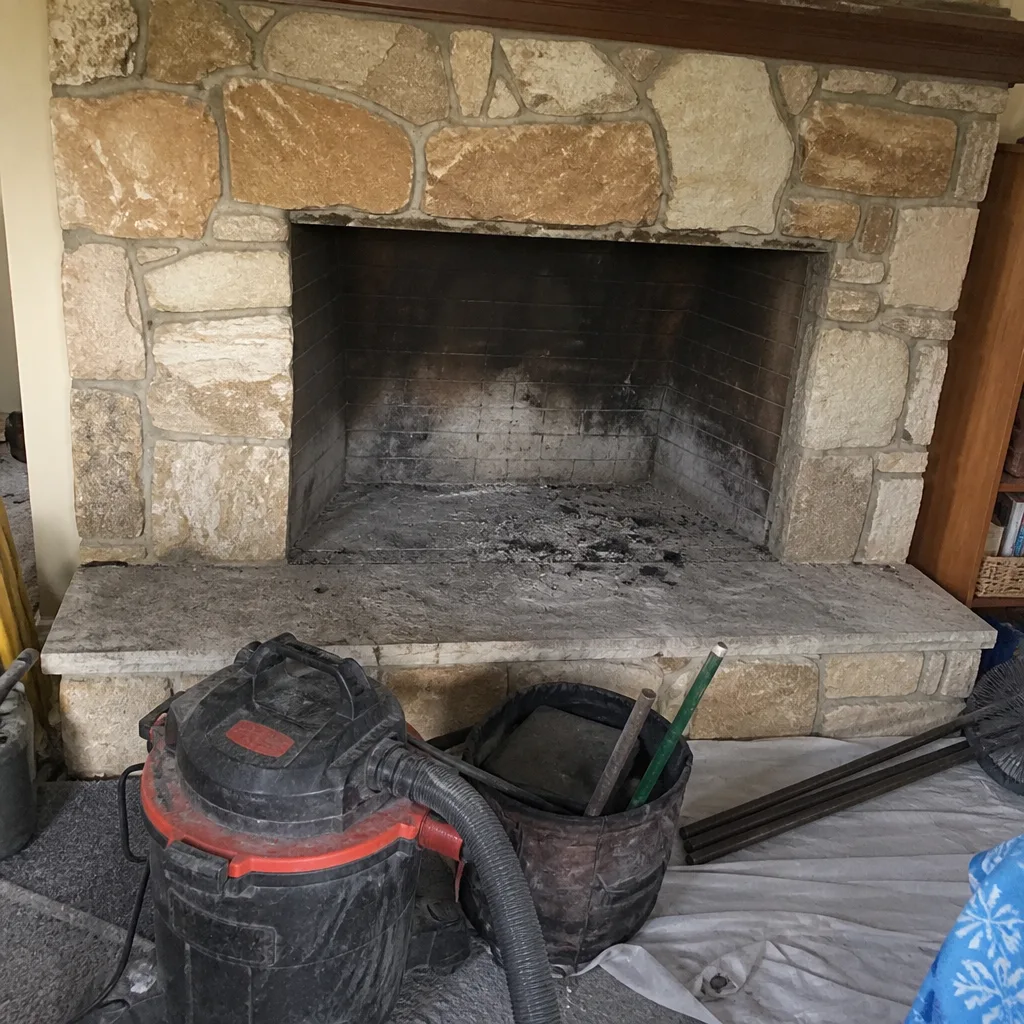 Before
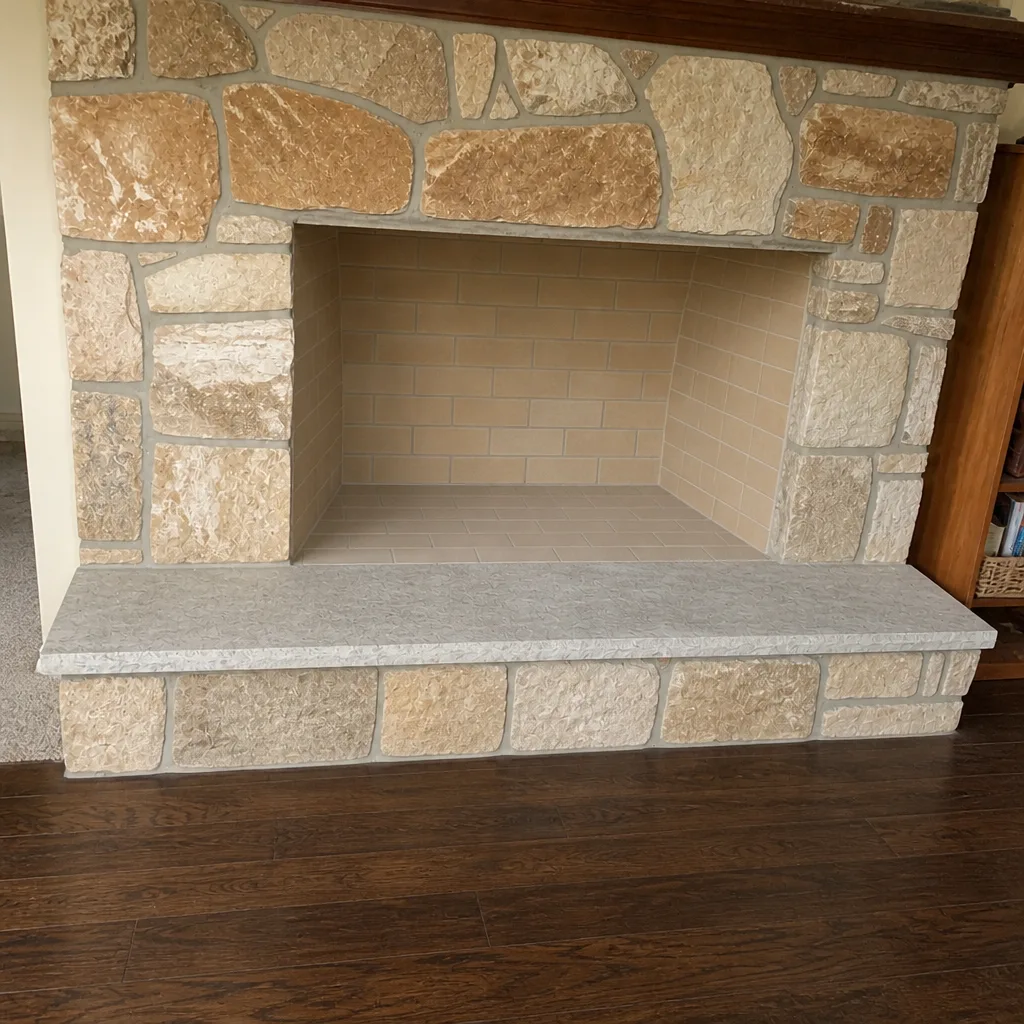 After
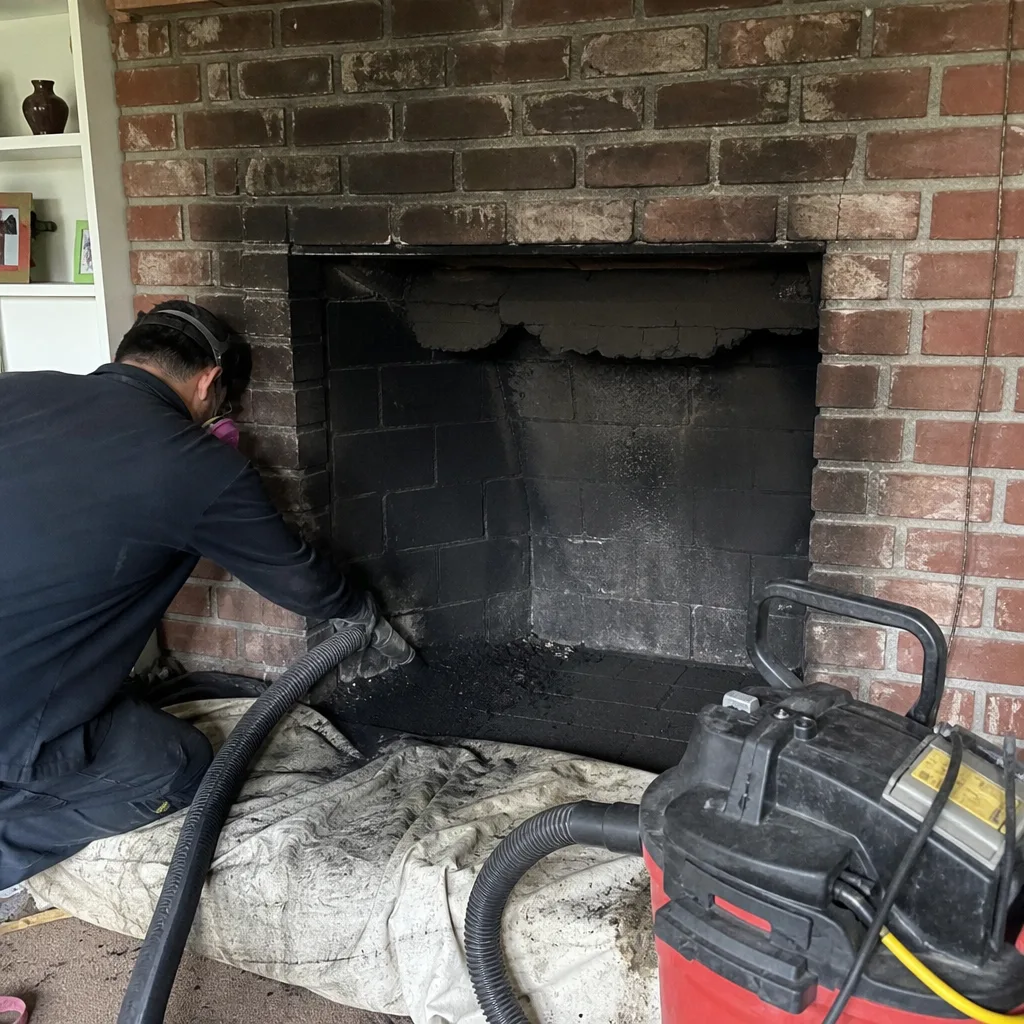 Before
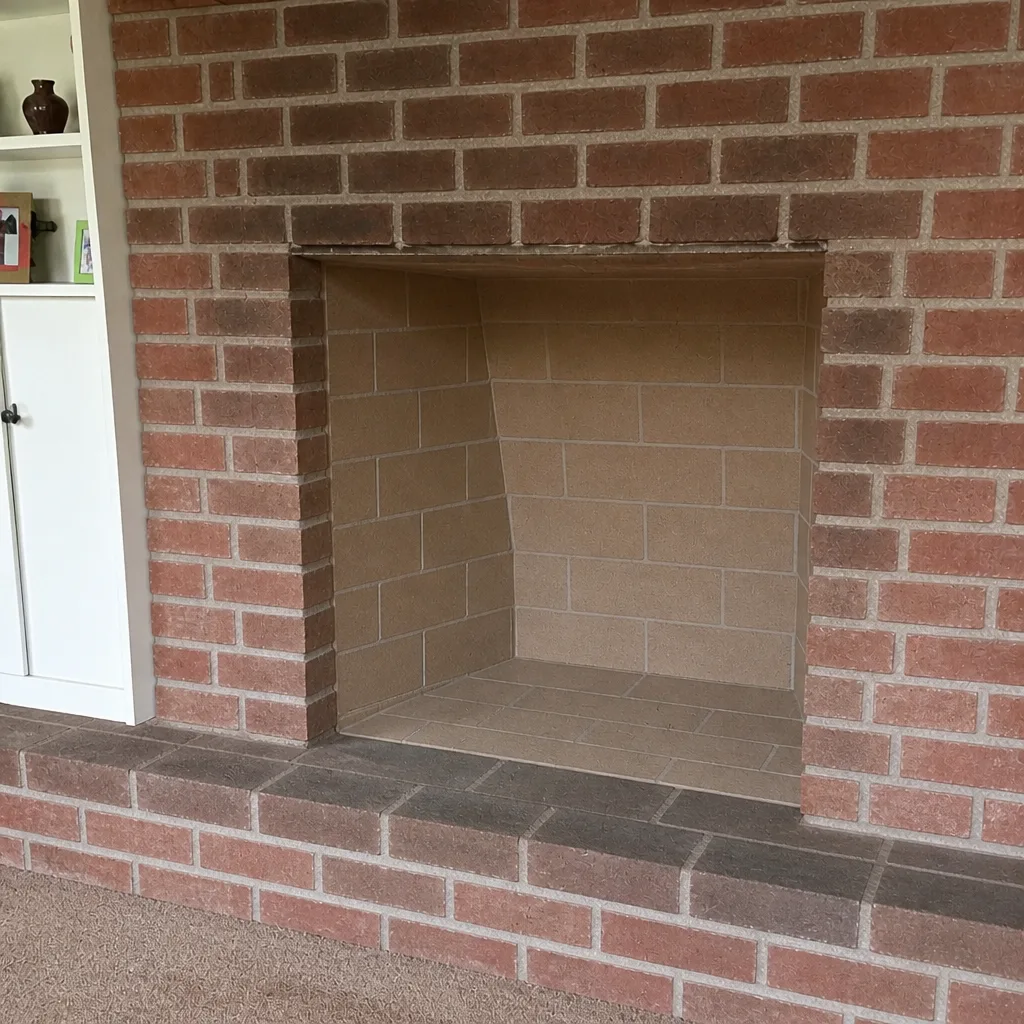 After
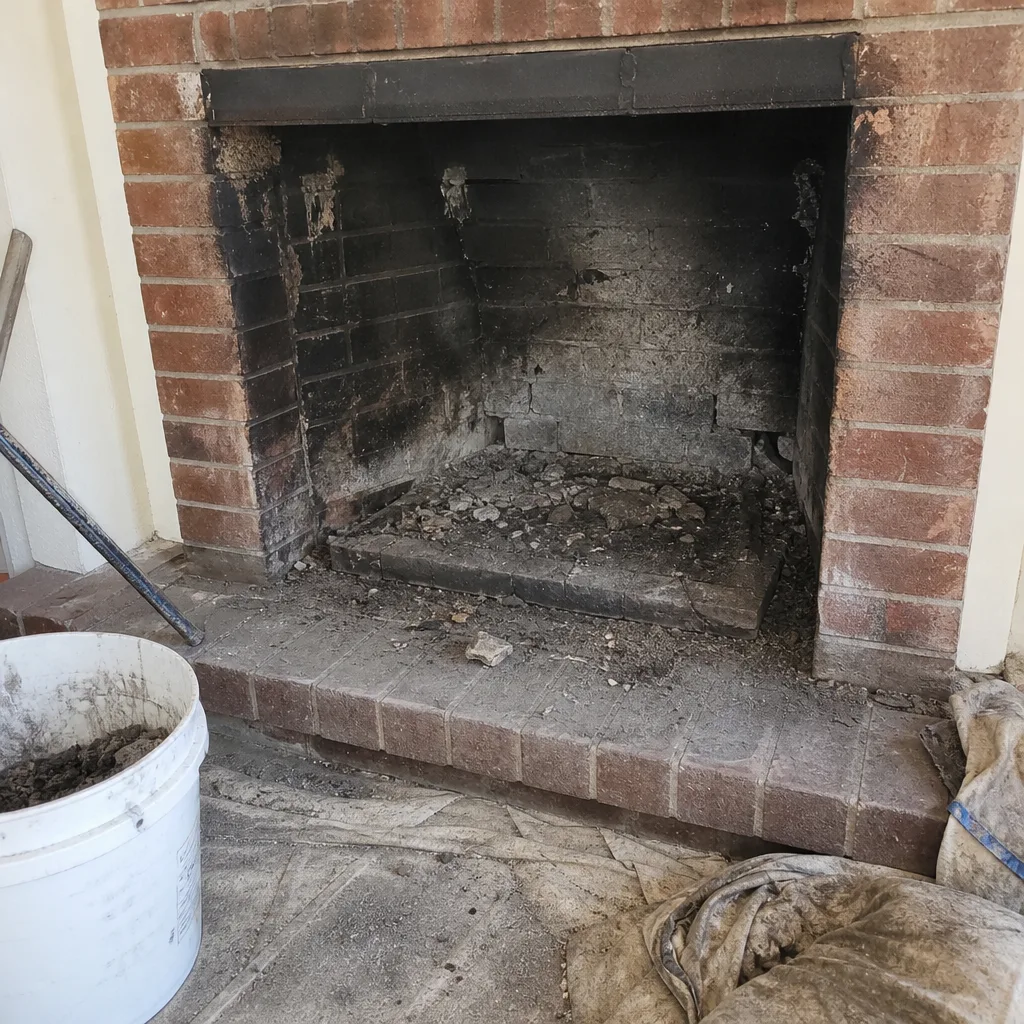 Before
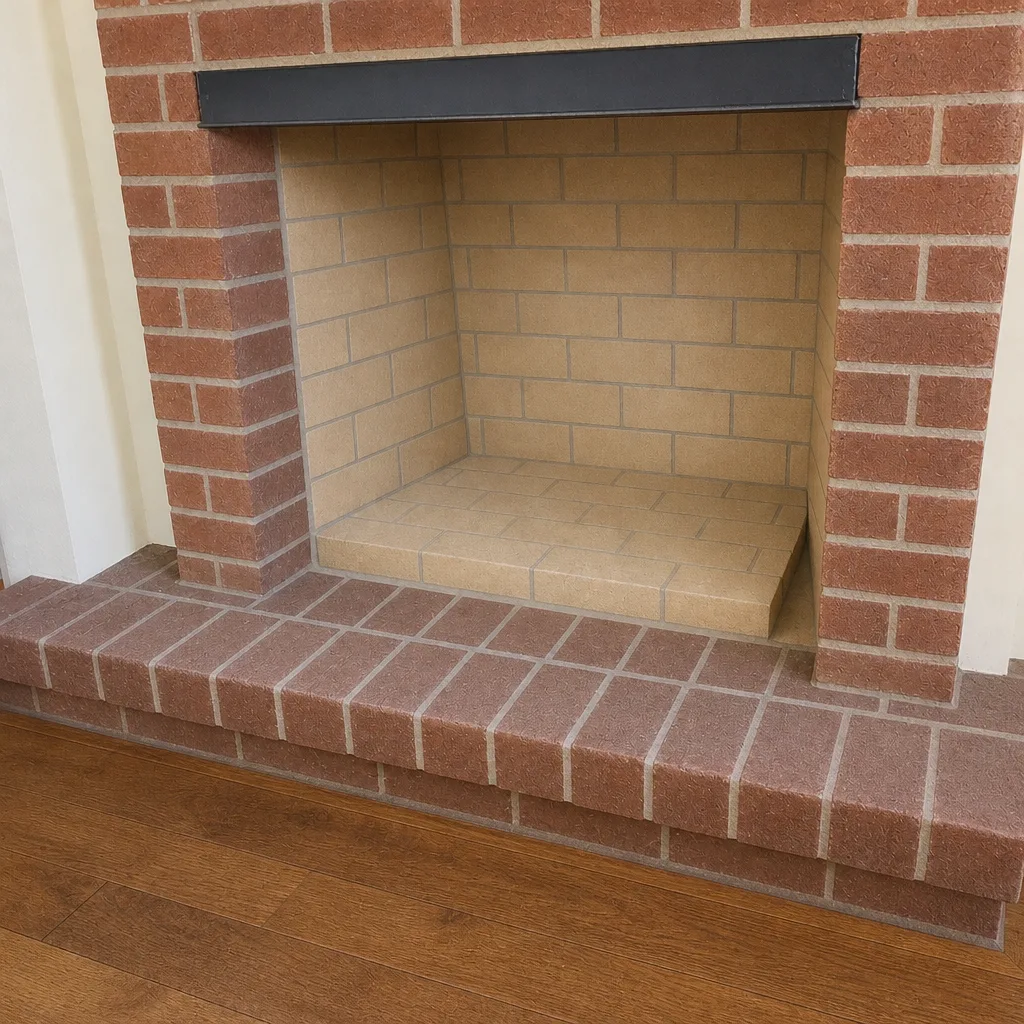 After
HeatShield Products We Service & Install in Stockton
We work with HeatShield resurfacing across the range of cast-in-place applications we encounter in Stockton. That includes the HeatShield Resurfacing System itself – cast-in-place refractory mortar lining applied over existing flue walls – and the insulating backfill around the liner form, the therm-crete-class material that keeps the lining dry and warm. We service and install HeatShield-cured cast-in-place liners on 1970s – 1990s masonry fireplaces common in Stockton’s older housing stock, and we handle flues that were factory-built or tile-lined originally and later resurfaced with the HeatShield system.
That last category is where Stockton gets interesting. The city’s older stock of 1920s-40s bungalows near downtown means many flues are original brick with no liner at all – a common safety issue a standard brush-and-vac won’t catch. Some of those have since been resurfaced; many haven’t. Either way, the inspection tells the truth.
We Also Service These Brands
HeatShield is one part of a professional-grade lineup. We also work with DuraFlex flexible liner systems for relining older or irregular flues without destructive masonry work, and Gelco chimney caps, sized and sealed correctly to keep water, animals and draft problems out. Olympia Chimney, Famco and Copperfield components round out the range. If your flue needs a different approach than resurfacing, we have the right liner for it.
FAQs – HeatShield Chimney Cleaning Service in Stockton
No. We are an independent HeatShield service provider, not affiliated with or authorized by the manufacturer. We’re a chimney-only specialist in Stockton that services, cleans and repairs HeatShield-resurfaced flues using quality parts that fit the equipment. For warranty registration or manufacturer-specific questions, contact HeatShield directly. For the work itself, call (877) 516-9568.
Yes, but the brush matters. A HeatShield lining is a refractory surface, and we use a poly brush suited to it rather than an aggressive metal brush that can scuff or score the cured shell. Standard sweeping is fine on a sound lining – the care is in how it’s done. Our technicians have up to 13 years of experience reading how these surfaces respond.
Normal ash is fine and powdery. Grit that feels sandy, like fine sand, along with a faint mustiness between burns, points to a chalky or spalling lining – often because water is reaching the liner top. A Level 2 Inspection with camera evidence is the only way to know for sure. Call (877) 516-9568 to book one.
Usually not. A failed crown is the most common reason a HeatShield flue starts to look like it’s failing, and it’s almost always repairable without touching the liner. A typical job goes like this: a homeowner notices grit and mustiness, the sweep finds the cured lining chalky and the crown cracked with water reaching the liner top, and the fix is resealing the crown, correcting the cap or top plate, and removing glazed creosote with a poly brush. Liner repair is reserved for areas proven breached by inspection. Call (877) 516-9568 for an exact quote – estimates are free.
Smoking after a cleaning usually means the flue is mis-sized or offset for the appliance, not that the cleaning failed. HeatShield seals a flue but doesn’t resize one, so an oversized flue keeps depositing heavy soot and keeps drafting poorly. That’s a sizing issue, and it needs a proper diagnosis rather than another sweep. Call (877) 516-9568 to get it looked at.
It can be, but only after a Level 2 Inspection confirms the lining is sound and correctly sized for the insert’s venting requirements. An insert changes the flue’s demands, and a lining that worked fine for an open fireplace may not suit the new appliance. We inspect first and tell you honestly whether it’s viable. Call (877) 516-9568 for a free estimate.
Book Your HeatShield Service in Stockton, CA
Whether your HeatShield flue needs a routine sweep, a crown repair, or a Level 2 Inspection to sort out grit and drafts, we can help. We answer 24/7. Fast dispatch from 7am to 7pm, Sunday through Friday. Call (877) 516-9568 for a free estimate, and we’ll book your Stockton HeatShield service with the written estimate setting the final price.
Written by the team at Stockton Chimney Sweep.